
What sacrifices have you made in life?
“We have two lives, and the second begins when we realize we have only one.”
— Confucius
The first light creeps over the horizon in Madagascar. I brace as the car jolts through another pothole, interrupting my thoughts. The conference rooms of Geneva feel a world away now.
My phone buzzes—another message from a colleague. The department is facing yet another funding cut. Another department undergoing “strategic restructuring.” The unraveling is well underway.
The Geneva Chapter
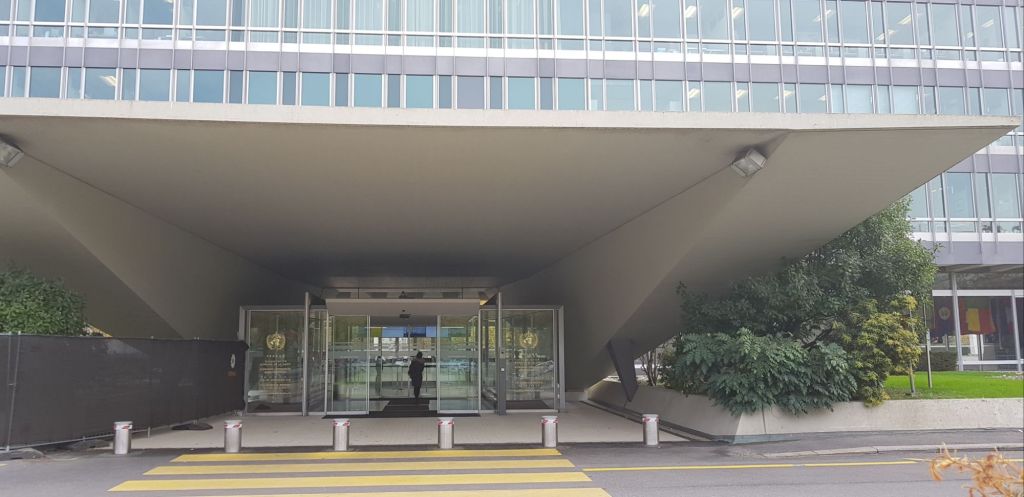
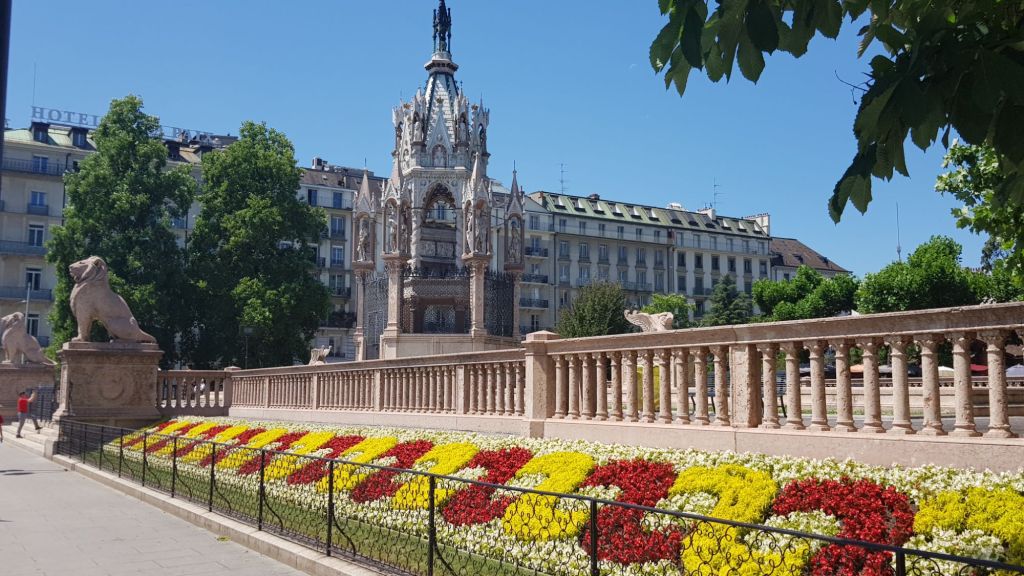
In Geneva, my office was not far from Lake Leman. Swans gathered each morning as I prepared for another day as a senior advisor. It was a role with weight—part of a system that touched millions of lives.
My days were methodical: global strategy meetings, quiet diplomacy with ministers, and cross-agency frameworks that shaped responses across continents. There was a sense of rhythm, of control.
We trusted in the system. We believed the scaffolding would hold. Budget delays were bumps, not breakdowns. My wardrobe consisted of sensible clothing and suits. My schedule is a complex system of overlapping responsibilities.
And I’ll be honest—I thrived in that world. Mostly.
The First Tremors
The cracks didn’t come all at once.
Several budget freezes have occurred. Delayed fieldwork. The vacant posts were quietly absorbed into the budget as part of “efficiency savings.” The hallway talk shifted—from bold ideas to cautious speculation.
“It’s just the cycle,” I was told. “Political winds. We’ve been through worse.”
But this time felt different. Foundations were no longer shifting—they were splitting.
Then came the announcement. Our division head, usually composed, struggled to keep her voice steady.
“Fifty percent reductions. Non-essential operations. Voluntary separation packages.”
The sterile language masked the magnitude. The process wasn’t belt-tightening. This was contraction.
Madagascar, and a Different Lens
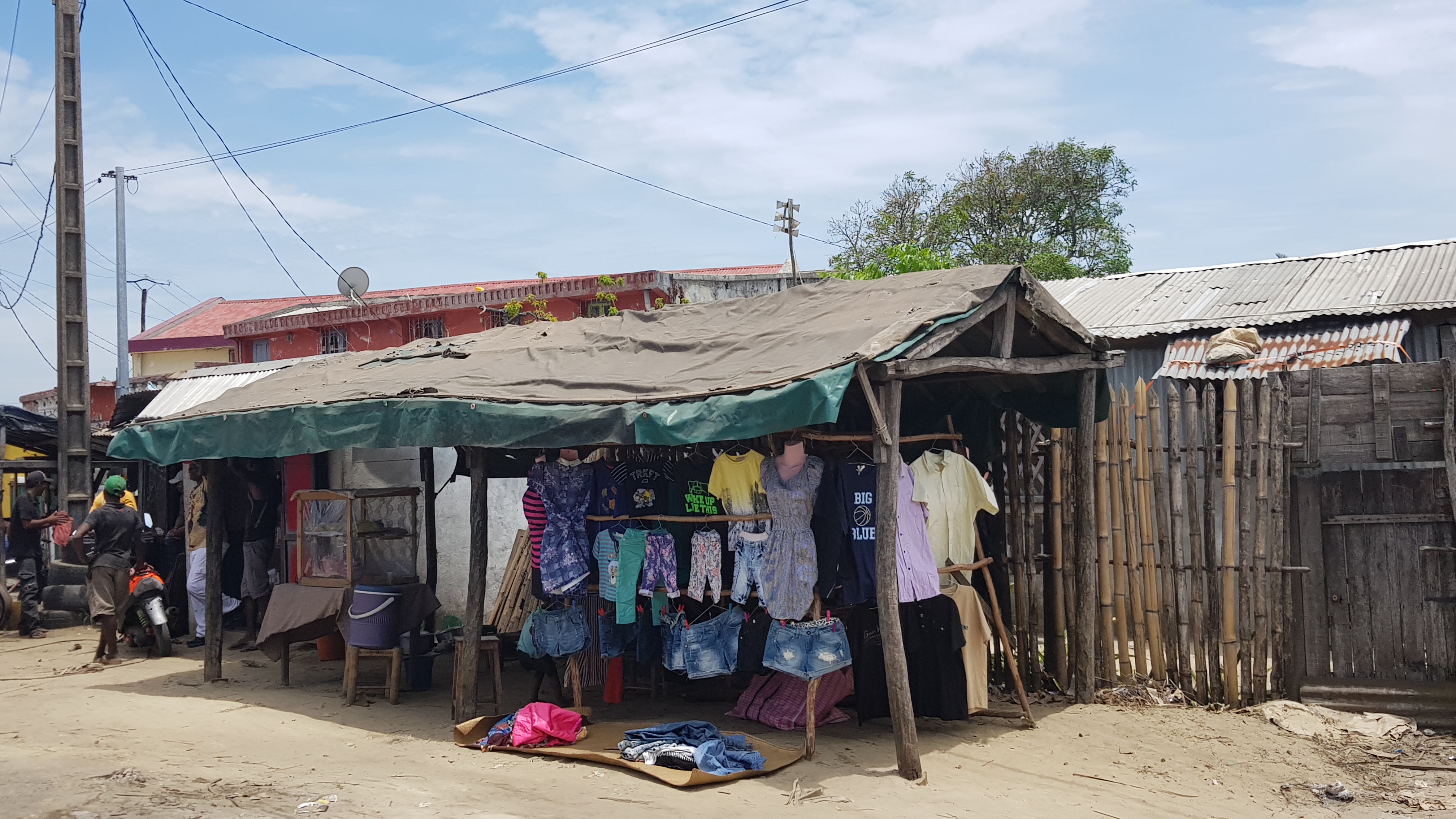
At first, my transfer to Madagascar eight years ago was strategic—a move to safer ground. Headquarters was thinning out. Field posts, at least for now, offered more breathing space.
“Take it,” a mentor said. “Geneva will be the epicenter when the quake hits.”
He was right. But I found more than continuity in Madagascar. I found clarity.
In remote communities—where roads are sometimes no more than footpaths—I met people who never depended on the systems we were watching unravel.
In Geneva, I walked alongside professionals who had always faced uncertainty in their work.
What They Never Taught Us
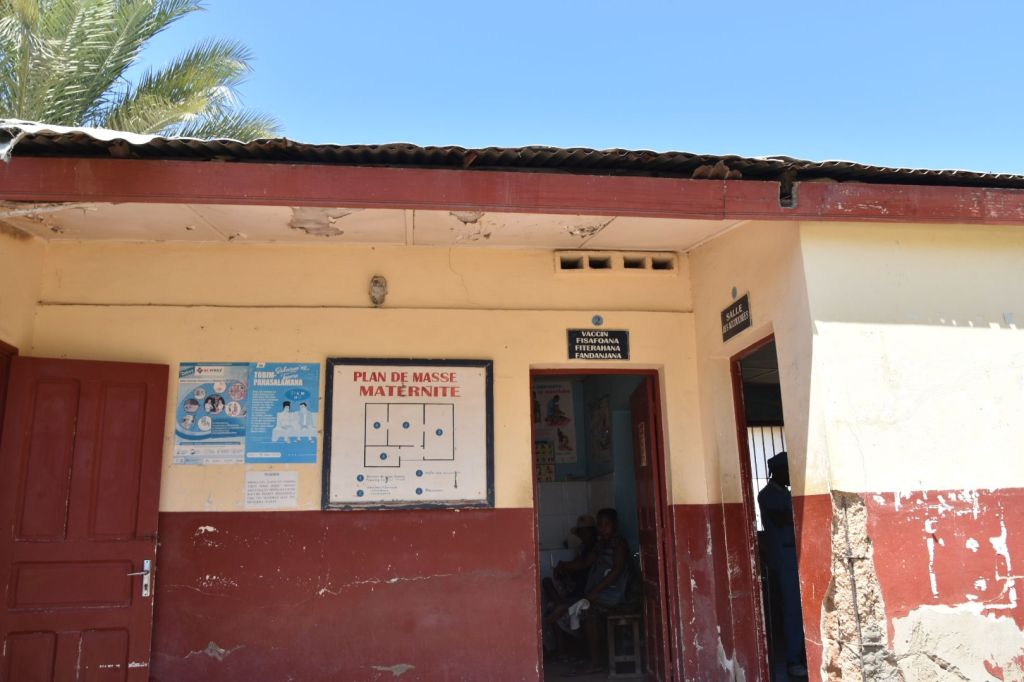
One evening, we sat under the faint glow of a solar lamp. A local health worker mixed oral rehydration salts by hand.
“Systems come and go,” she said simply. “But the work continues.”
I had to pause.
For years, I’d equated influence with institutions. My sense of contribution was tethered to program cycles, donor meetings, and official visibility.
But here was someone who delivered impact without a blueprint, without a budget, and without applause.
Letting Go
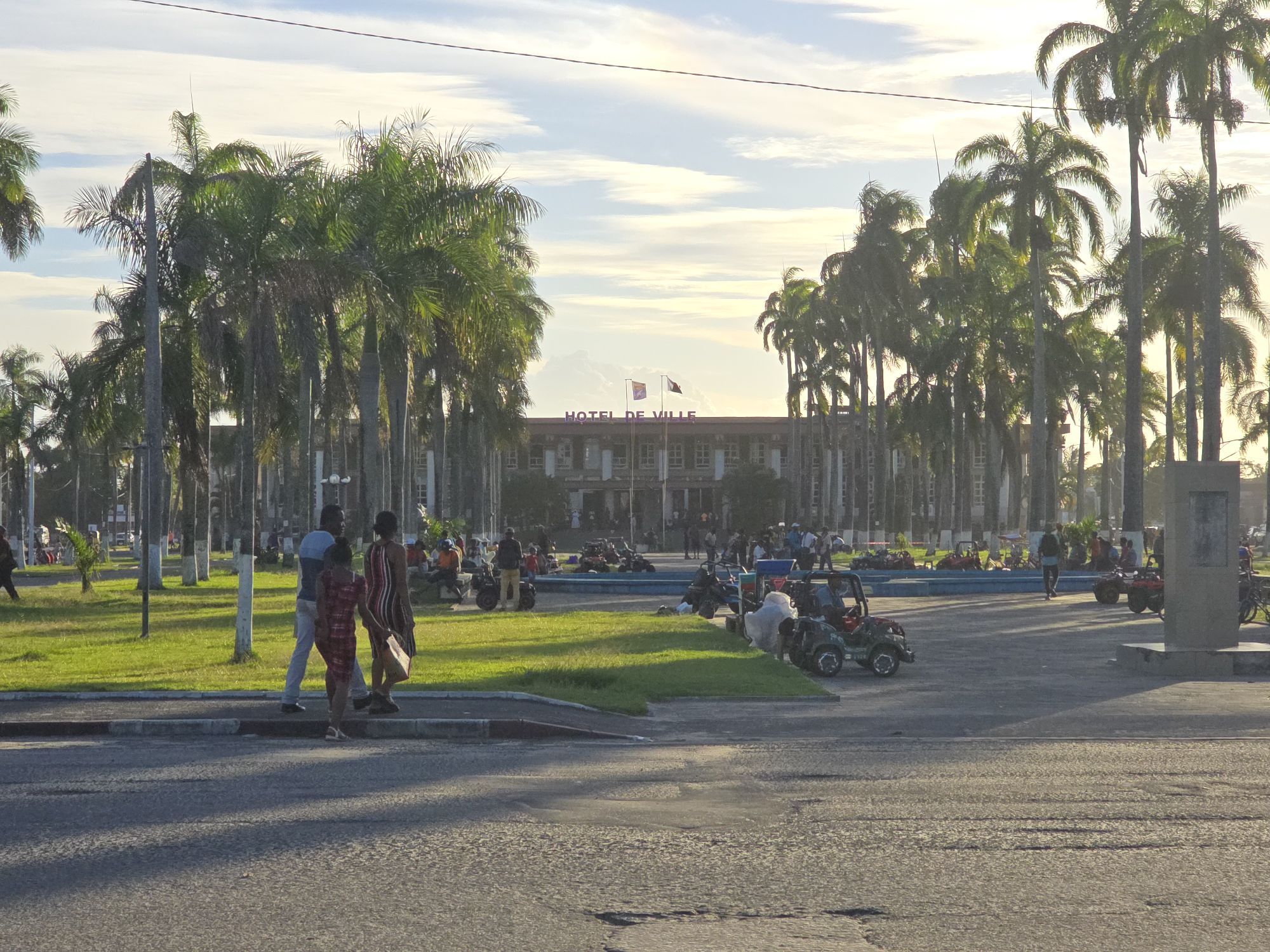
The UN taught me to think in frameworks and timelines. Madagascar taught me to see on a human scale.
Each update from Geneva—another colleague leaving, another budget line slashed—unwound the thread of institutional identity I’d carried for 20 years.
And in that unspooling, something opened up: a different kind of purpose. This new purpose was not based on structures or titles, but rather on people and their potential.
A New Beginning
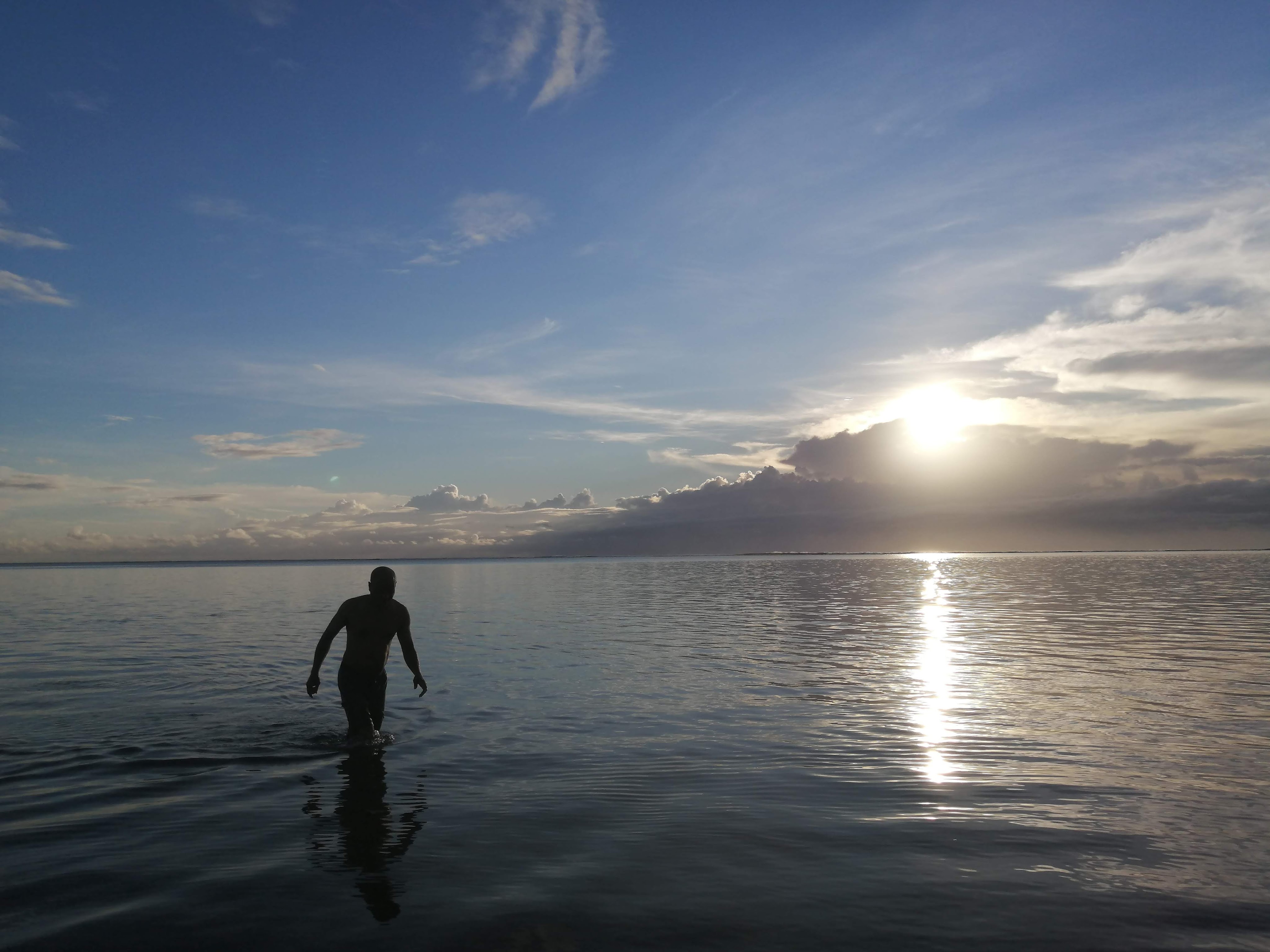
In a few months, I will be leaving the UN system. All around the world, former colleagues were doing the same—some by force, others by choice.
But I am not stepping away in despair.
I see possibilities.
I have gained something not easily found: perspective, networks, and profound understanding. And I knew they could be used—outside the system.
Today, I’m laying the foundation for something new: – A media agency, built with colleagues. – A mentorship platform for young professionals, now unmoored from traditional pathways. – A children’s book series, passing on the values and knowledge at risk of being forgotten. These are just a few potential concepts under consideration, among others.
This isn’t just adaptation—it’s reinvention.
Lessons from the Bamboo Road
Bamboo bends, but it doesn’t break. It grows slowly, sending roots deep before reaching upward.
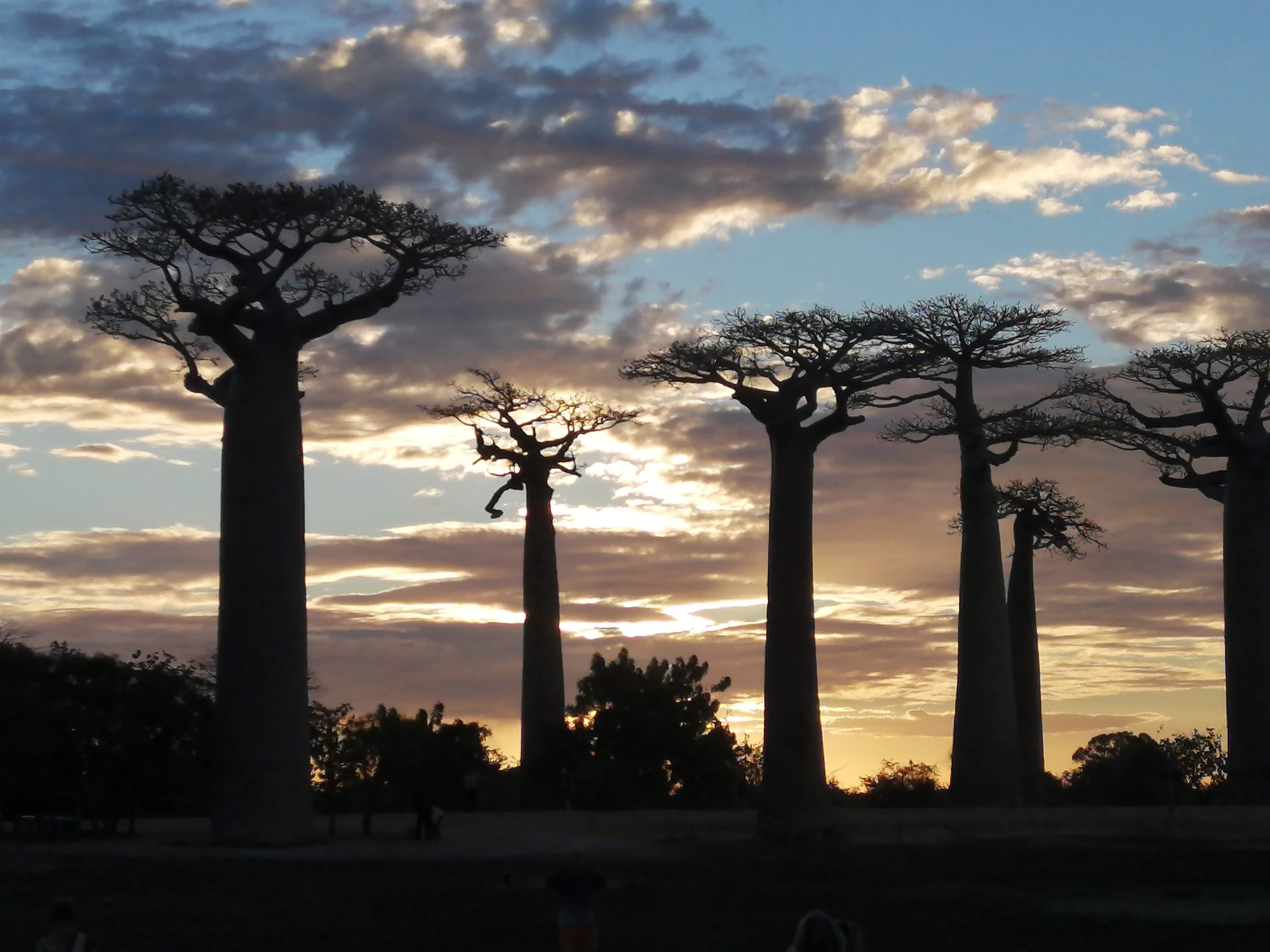
That’s what I’ve come to appreciate walking Madagascar’s back roads.
Former colleagues sent a message asking, “What’s your next post?” “Where are you applying?”
But I’m not looking for the next institution. I’m looking to build something that lasts beyond them.
Just this morning, I shared coffee with fishermen piloting climate solutions more effective than many donor-funded pilots. Tomorrow, I’ll meet women artisans running savings groups more resilient than any formal bank.
The irony is rich: as global systems contract, authentic change is emerging in the spaces they often overlooked.
To Those Watching It All Fall Apart
If you’re reading this while waiting for news of your role—wondering what comes next—know this:
Your purpose is independent of your position.
You didn’t just serve an institution. You built skills, made sacrifices, and developed insights. Those skills and insights do not disappear when the badge is no longer present.
The late nights, the missed birthdays, and the personal trade-offs were not insignificant. They shaped you. They prepared you for more than maintenance. They prepared you for creation.
When the Vessel Cracks
Institutions are vessels. They carry us for a while and help us grow. But when they crack, we don’t have to go down with them.
What will you do when the scaffolding falls away?
For me, the answer was unexpected: keep walking. Find higher ground. Build new paths—ones that don’t require perfect roads or perfect systems.
Occasionally, the real work only begins when the formal structures fade.
 L J Padayachy
Leave a comment