The Sunset That Changed Everything
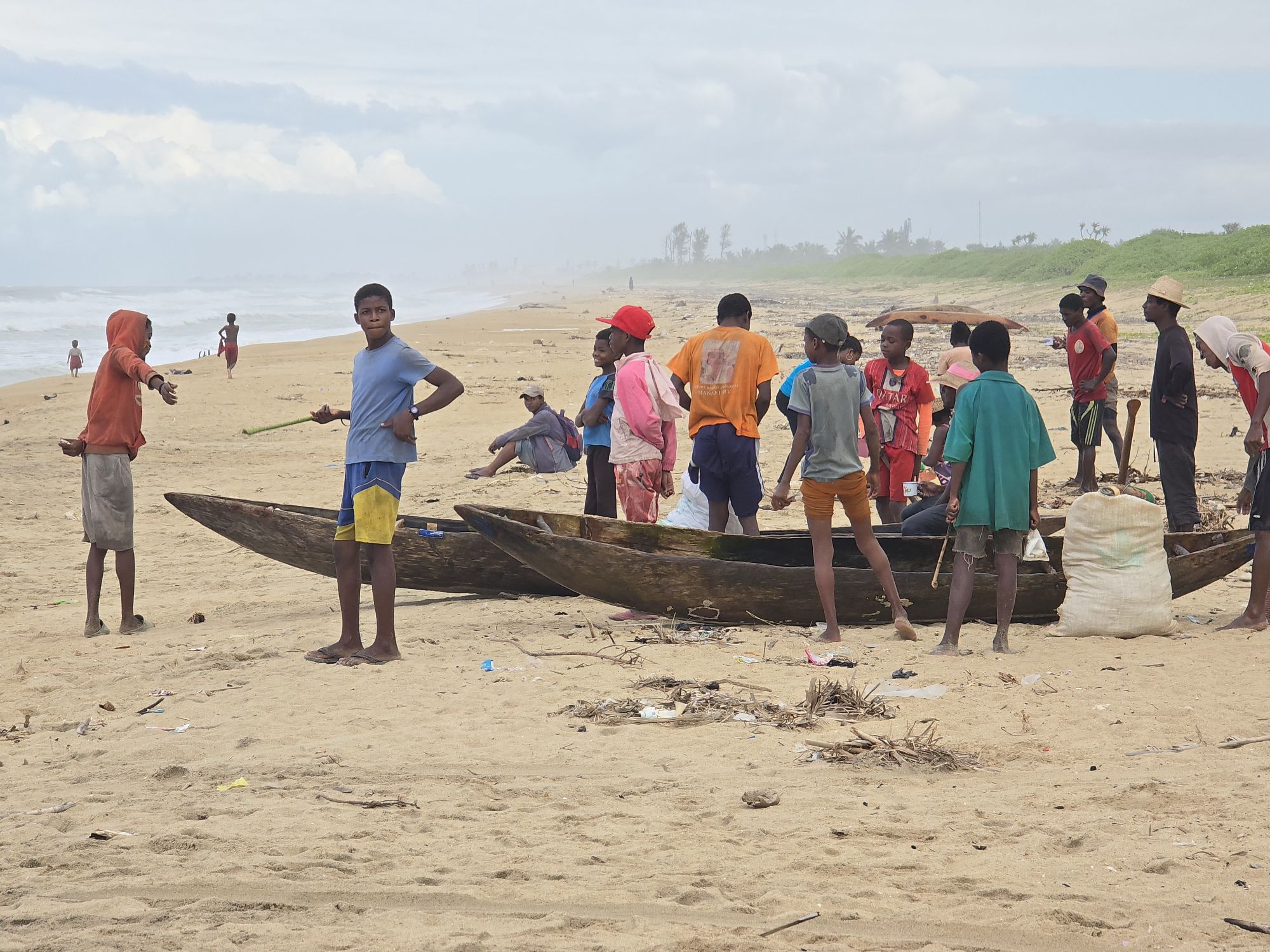
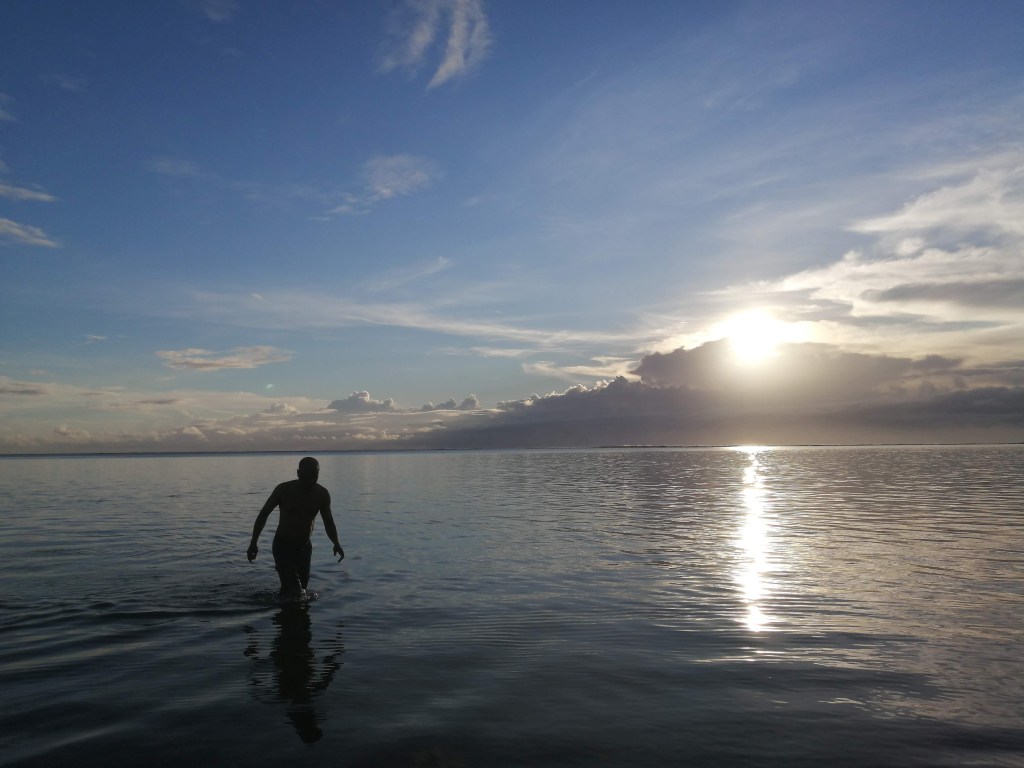
Three months ago, I was sitting in my office in Antananarivo at 5 PM. I was going through AIDS monitoring reports from the four island countries. Suddenly, my phone buzzed with a photo from my childhood friend back home. He’d captured this incredible sunset over Beau Vallon Bay. Gold and crimson stretched across the Indian Ocean. Our traditional fishing boats were dark against the horizon.
“This is what you’re missing,” he texted, “while you’re saving the world.”
I stared at that image for a long moment. Then I did something I hadn’t done in over fifteen years of UN service. I closed my laptop and walked out of the office. I was not frustrated. I did not experience burnout. I suddenly understood what I was most excited about for the future.
For the first time in my career, I let myself imagine what comes after the endless meetings. I thought about the field missions and the emergency responses. Retirement isn’t just an end—it’s a beginning. And that beginning fills me with more anticipation than any program launches or policy breakthroughs I’ve experienced in international development.
The Freedom to Write My Own Story
Beyond the UN and Briefing Papers
After over fifteen years of writing situation reports, policy briefs, and program evaluations, I’m looking forward to writing for myself. The UN work is meaningful, and it’s been the honour of my life. However, there are stories I’ve carried that don’t fit into official documentation.
During my time in Brazzaville, I worked with a health worker named William. He taught me more about resilience than any graduate course in public health. Prior to joining the agency, he had lost family members to diseases that could have been prevented. However, he transformed that grief into saving other mothers from the same loss. Her approach wasn’t in any WHO manual, but it worked.
These are the stories I want to tell. They are not the sanitised versions that appear in annual reports. They are the raw, complicated, deeply human narratives that show how development actually works. The grandmother in Toliara, Madagascar, transformed an unsuccessful campaign into a community-driven health revolution. The district health officer in Harare saved his entire HIV programme. He used a solution that technically violated three different protocols.
Writing in retirement means I can finally honour these experiences with the depth they deserve. I want to craft narratives. These narratives should bridge the gap between international development theory and the messy reality of human change. This reality is both messy and beautiful.

The Memoir I Never Had Time to Write
My yoga practice has taught me that reflection is as important as action. During my morning routine on the balcony of my Pretoria apartment, I often found myself processing the day ahead. I also reflected on the accumulated wisdom of years spent witnessing humanity at its most vulnerable and most resilient.
I’m looking forward to having the time to properly excavate these experiences. I have a book idea based on my experience coordinating health responses across cultures. These cultures treat illness, healing, and community in completely different ways. Another is the lesson learnt from representing a small island in a developing state in rooms full of superpowers.
Most importantly, I want to write about the intersection of traditional island wisdom and modern global challenges. My grandmother’s knowledge about reading weather patterns and managing scarce resources contains insights that could inform climate adaptation strategies. But I’ve never had the time to properly explore these connections.

The Dojo as Sanctuary
Deepening the Practice
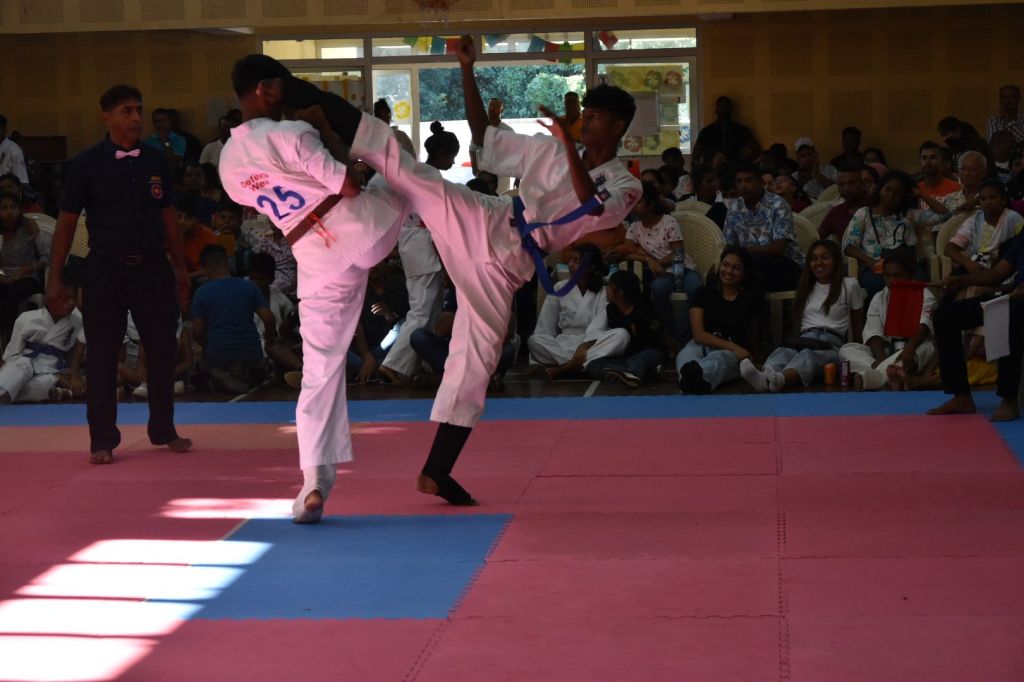
My Kyokushin Karate training has been the constant thread through every posting, every crisis, every career transition. In Geneva, I found a small dojo near the UN building where I could ground myself between high-stakes meetings. In Brazzaville, I practiced kata on the banks of the Congo River. In Antananarivo, I taught basic techniques to young karatekas who were struggling with the emotional intensity of fieldwork.
Retirement means I can finally give this practice the attention it deserves. I focus not just on the physical conditioning. As I age, the significance of this practice grows. Additionally, I value the deeper philosophical aspects that inform how I approach conflict, stress, and personal growth.
I’m particularly excited about the prospect of deepening my knowledge and skills as a black belt. I’ve trained for over thirty-five years around work schedules, deployments, and family obligations. It feels challenging to finally dedicate focused time to this goal. However, it is also deeply satisfying.
Teaching What I’ve Learned
More than personal achievement, I’m excited about the opportunity to teach. During my time in Antananarivo, I mentored a group of young Malagasy informally. They were interested in international careers. Watching them develop confidence, cross-cultural competence, and professional skills was more fulfilling than any program I’d ever designed.
Karate offers a structured framework to share lessons about discipline, respect, and perseverance. These qualities are essential for anyone working in challenging environments. I’m thinking about opening a small dojo in Seychelles. I might teach traditional Kyokushin. Additionally, I could offer workshops on stress management and conflict resolution for young professionals.
The physical practice becomes a vehicle for deeper learning about resilience. It fosters adaptation and mental clarity. This clarity is crucial for international development work.
The World I Haven’t Seen Yet
Travel Without Timelines
For twelve years, my travel has been purposeful but constrained. I travelled from Brazzaville to Geneva to attend regional coordination meetings. I have travelled from Pretoria to Antananarivo for the purpose of conducting programme evaluations. I journeyed from Harare to Pretoria to engage in policy consultations. I am constantly faced with agendas, deadlines, and the weight of official responsibility.
I’m looking forward to travelling differently in retirement. Slowly. Curiously. With the freedom to spend weeks rather than days in places that have shaped my understanding of the world.
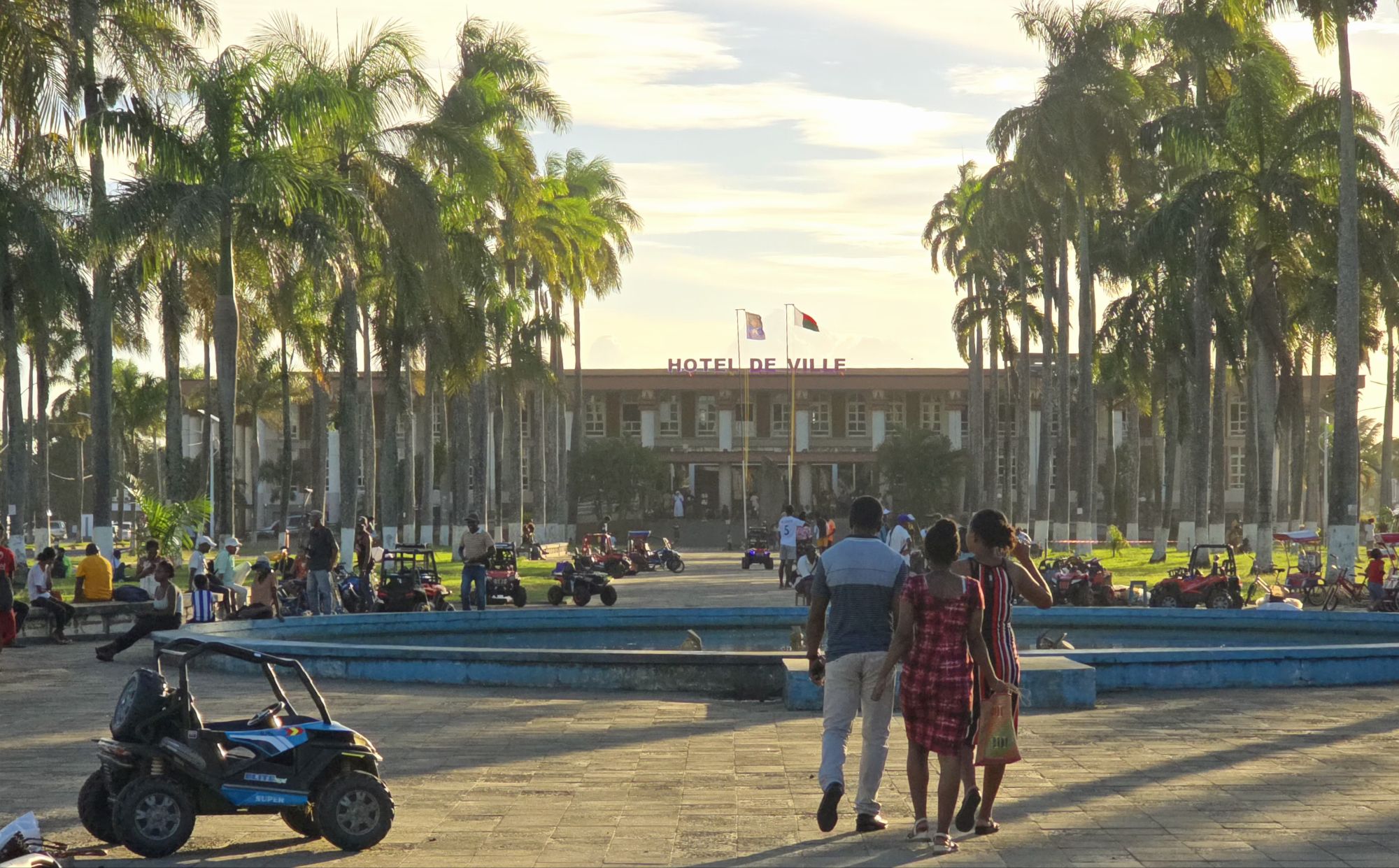
I want to revisit Madagascar, not for a health system assessment. Instead, I aim to properly explore the cultural fusion that makes it unlike anywhere else in Africa. I want to return to Zimbabwe during the rains. During this time, the landscape transforms. The landscape becomes a sight that would have amazed the early explorers. I want to spend time in rural South Africa. I will learn about traditional healing practices. I encountered these practices only briefly during official visits.
The Seychelles I Never Knew
Most surprisingly, I’m excited about rediscovering my own home. Two decades of international work have given me deep knowledge of health systems across Africa. However, I realise I know embarrassingly little about traditional Seychellois medicine. I am also unfamiliar with local ecological knowledge or the oral histories that my grandmother’s generation carries.
My sister recently mentioned that our neighbour, Ti Jean, still practices traditional weather prediction using methods passed down through generations. These are the kinds of conversations I want to have time for. My interest in these conversations is not driven by my research on climate adaptation strategies. Rather, it’s because I’m finally ready to receive my own cultural inheritance.

The Next Generation
Mentoring Beyond the Office
Mentoring without institutional constraints excites me most about retirement. There will be no more hierarchies or programme cycles to limit opportunities. Throughout my UN career, I’ve been amazed by the talent and dedication of young professionals entering international development. But formal mentoring relationships within the system are limited by bureaucracy and competing priorities.
In retirement, I can offer something different: long-term guidance that follows people’s entire career trajectories, not just their current assignments. I’m excited about helping young Seychellois professionals navigate international careers, sharing networks and insights that took me years to develop.
I want to work with universities. Perhaps I can teach courses that bridge the gap between development studies theory and field reality. Too many graduates enter this field with unrealistic expectations about what change looks like and how long it takes. I want to prepare them better for the actual challenges they’ll face.
Writing as Legacy
All of these retirement activities—writing, karate, travel, and mentoring—serve the same purpose. They guarantee that the insights gained from a career in international development remain with me. The stories need to be told. The skills need to be passed on. The wisdom needs to be preserved and shared.
I’m excited about having the time to do this work properly, without the pressure of immediate deadlines or competing priorities. This isn’t about winding down—it’s about scaling up in a different direction.
The Time to Breathe
I stand on that same beach where I learned to swim as a child. I watch the eternal rhythm of waves against granite. I realize that my excitement about retirement isn’t really about stopping work. It’s about finally having space to integrate everything I’ve learnt into something greater than program reports and policy recommendations.
For the first time in my adult life, I’ll have the luxury of time. I will have ample time to craft meaningful stories. I will have ample time to deepen the practices that ground me. It’s time to delve into the world with a sense of curiosity, not a sense of urgency. It’s time to properly mentor the next generation.
The future I’m most excited about isn’t an ending—it’s a beginning. After decades of serving others’ missions, I’m finally ready to pursue my own.
 L J Padayachy
Leave a comment