The Quiet Power of a Portable Sanctuary
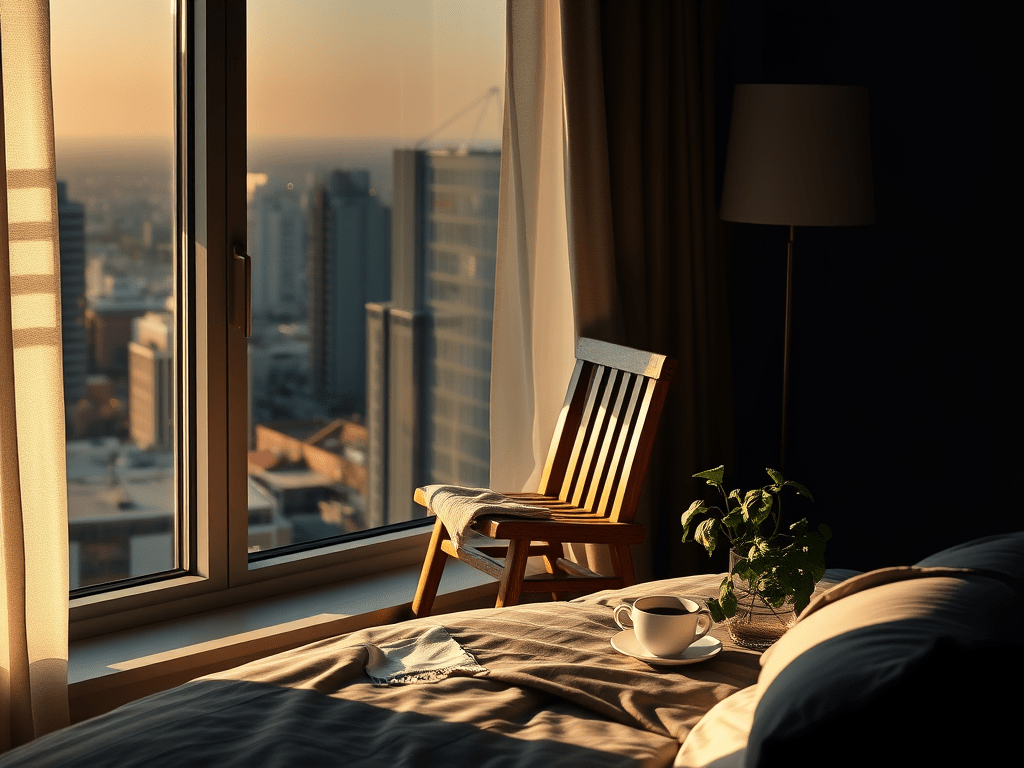
It was just past 5:00 in the morning in a dim, overheated hotel room in Antananarivo, two decades ago. The air conditioner had stopped working during the night. I lay half-awake. I was mentally rehearsing. This meeting was likely to be one of the most politically sensitive of my WHO career.
The health systems program in Madagascar was in a precarious state. We needed to train our counterparts in health systems research. There were high tensions and uncertain funding. It was necessary to carefully choose every word in the meeting that day. I was thousands of kilometres from the calm of the Indian Ocean. That ocean shaped my childhood in Seychelles. Yet, in that moment, I was deeply at ease.
I had my own quiet ritual. No gadgets, no apps. I had just a few key items. These included a handkerchief that smelt faintly of home, a particular tea blend, and a small grounding practice. I carry these with me wherever I go. Within ten minutes, the sterile anonymity of that hotel room had shifted. It wasn’t luxury. It was familiarity, intention, and presence. My own version of sanctuary.
And when I stepped into that meeting hours later, it wasn’t confidence I carried—it was centeredness.

Lessons in Comfort from Island Life
Growing up in the Seychelles, I learnt that true comfort rarely comes from something we own. It comes from how we relate to space, to rhythm, and to the people around us. My aunt’s home, where I grew up, had almost nothing by modern standards—thin walls, no air conditioning, and minimal furniture. But every element was chosen with care. A wooden chair was strategically placed to catch the breeze. A corner always stayed cool in the heat of the day. The scent of freshly cut basil lingered by the window.
Those early lessons became my blueprint when I later found myself in far less forgiving environments. My WHO posting in Brazzaville provided me with a small, dim, and claustrophobic apartment. But I remembered my aunt’s quiet genius. I shifted furniture to let the light in. I chose colours that reminded me of salt, air, and stones. And slowly, the space softened.
In international work, we often think that efficiency requires sacrificing comfort. I’ve found the opposite to be true. The more at ease I am in my environment, the more present I am in the room. This is true whether that room is a policy roundtable in Geneva or a dusty field office in Antananarivo.
Mimicking Nature in Unnatural Settings
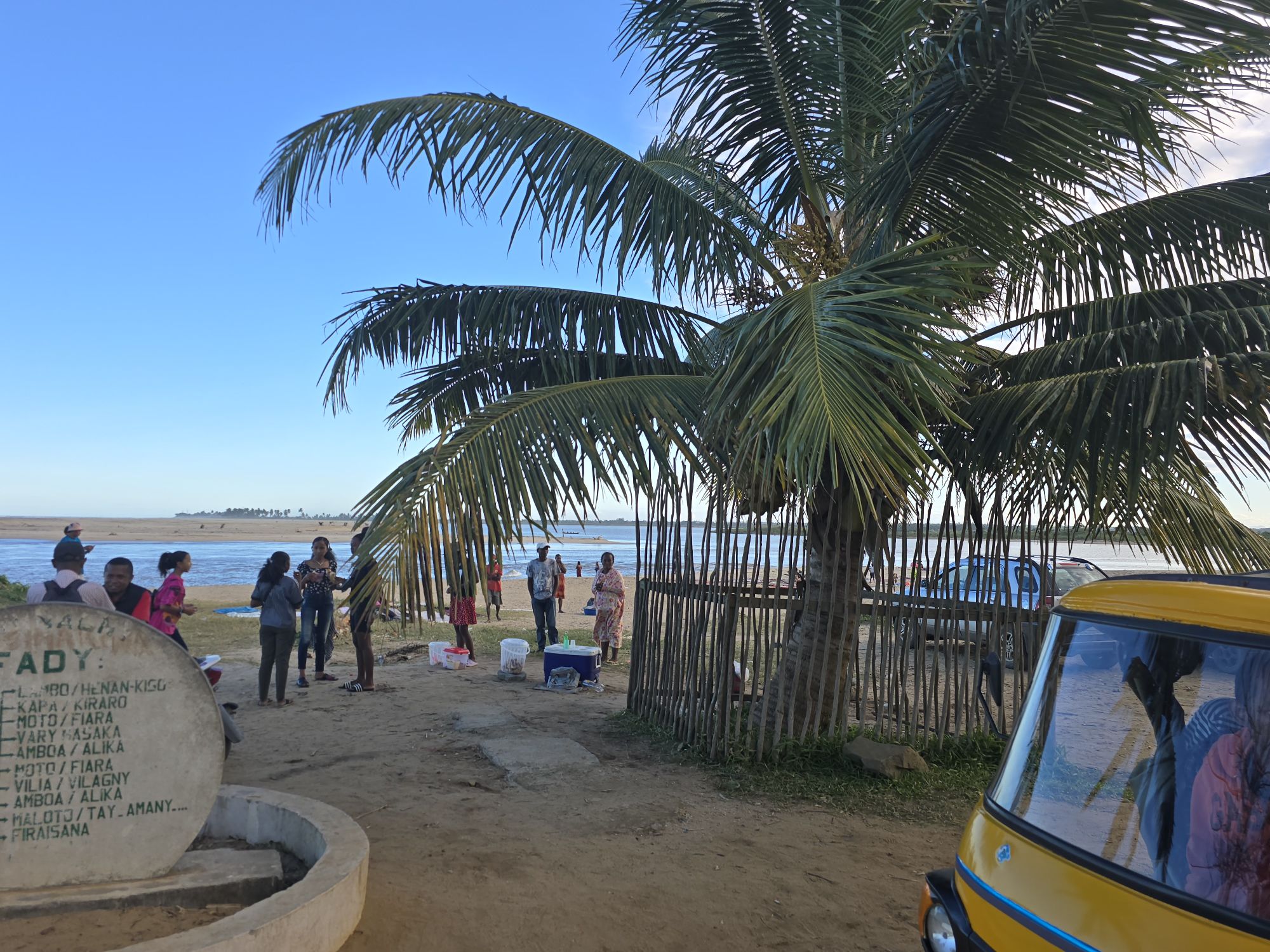
Island life moves to a rhythm—sunrise, tide, birdsong, breeze. It regulates you without asking. You eat when you’re hungry. You sleep with the wind. You work around the sun.
But most of my career has played out in cities that never quite sleep. The jet lag, fluorescent lights, and meetings that extend into the evening are all part of the experience. At one point, I was coordinating regional HIV surveillance across three countries. I noticed something troubling. I had lost all sense of time—not clock time, but body time.
Meals were whenever. Sleep came only when exhaustion hit. Morning had no meaning. I was functioning, but I was not well.
So I started small: walking meetings timed for early morning in Madagascar and short breathwork sessions at the start of the day. They weren’t grand rituals. They were tiny pulses of natural rhythm in environments that had none.
And slowly, I began to sync again—not just with time, but with myself.
Mindfulness: Not a Buzzword, But a Daily Tool
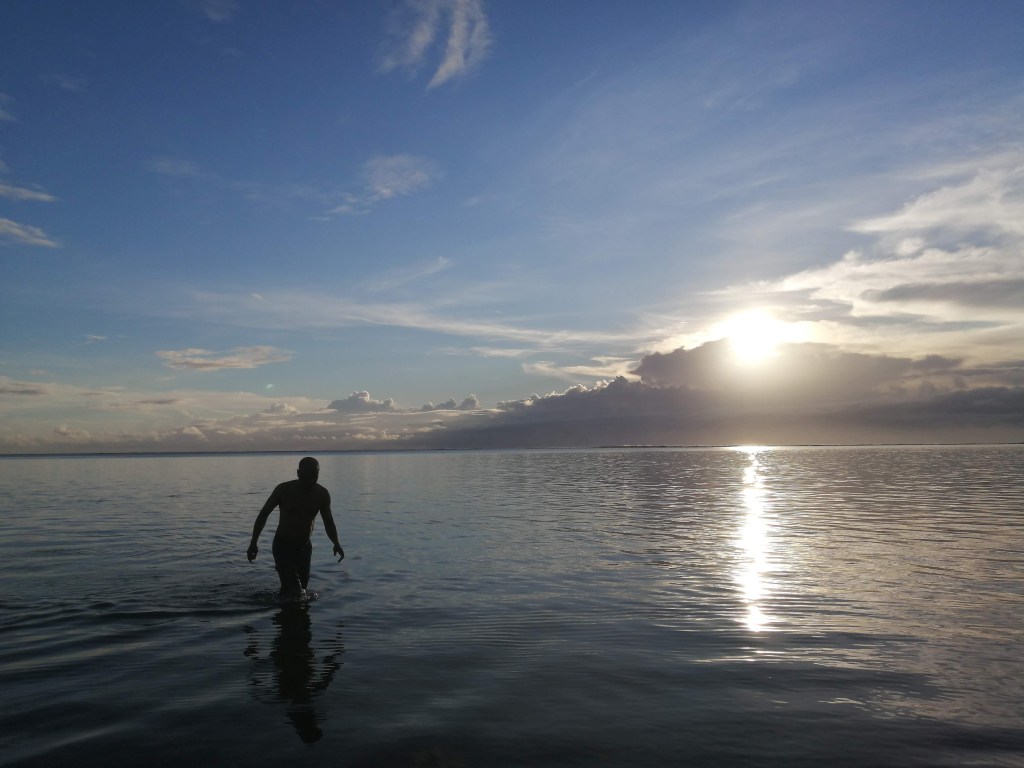
My journey with mindfulness wasn’t sparked by a retreat in Bali. It began in an elevator in Johannesburg, between two meetings that had both run over time. I was tense, anxious, distracted. And without quite knowing why, I closed my eyes and took three slow, deliberate breaths.
That was the beginning.
Now, I weave mindfulness through my day like stitches in fabric. I ground myself before opening difficult emails. I do short movement practices before sitting down to write policy briefs. I hold my own hand, metaphorically, in high-stress negotiations.
Mindfulness doesn’t eliminate stress. It doesn’t make the stakes lower. But it makes you more capable of navigating them with grace.
And then there’s Kyokushin karate—my other teacher. Unlike yoga, which invites softness, karate teaches you how to stand in fire. It showed me that comfort isn’t about eliminating pain. It’s about cultivating the capacity to endure, to move through, to stand tall.
I’ve done kata barefoot in tiled hotel rooms after days of travel that would make most people weep. It’s not for fitness. It’s for remembering who I am.

Rituals for Transitions, Not Just Tasks
One of the most overlooked stressors in international work is the constant role-switching. You move from technical advisor to diplomat, from researcher to cultural bridge, often in the same day. If you don’t create gentle buffers between these shifts, the transitions will eat away at you.
Over time, I’ve developed my own rituals for shifting gears. Changing clothes between fieldwork and formal meetings. Specific music to signal a move from data analysis to strategic planning. Tea instead of coffee when I need to shift into empathy and listening.
These aren’t indulgences—they’re recalibrations.
Finding Comfort in People, Not Places
People often ask: how do you stay grounded when your job moves you every few years?
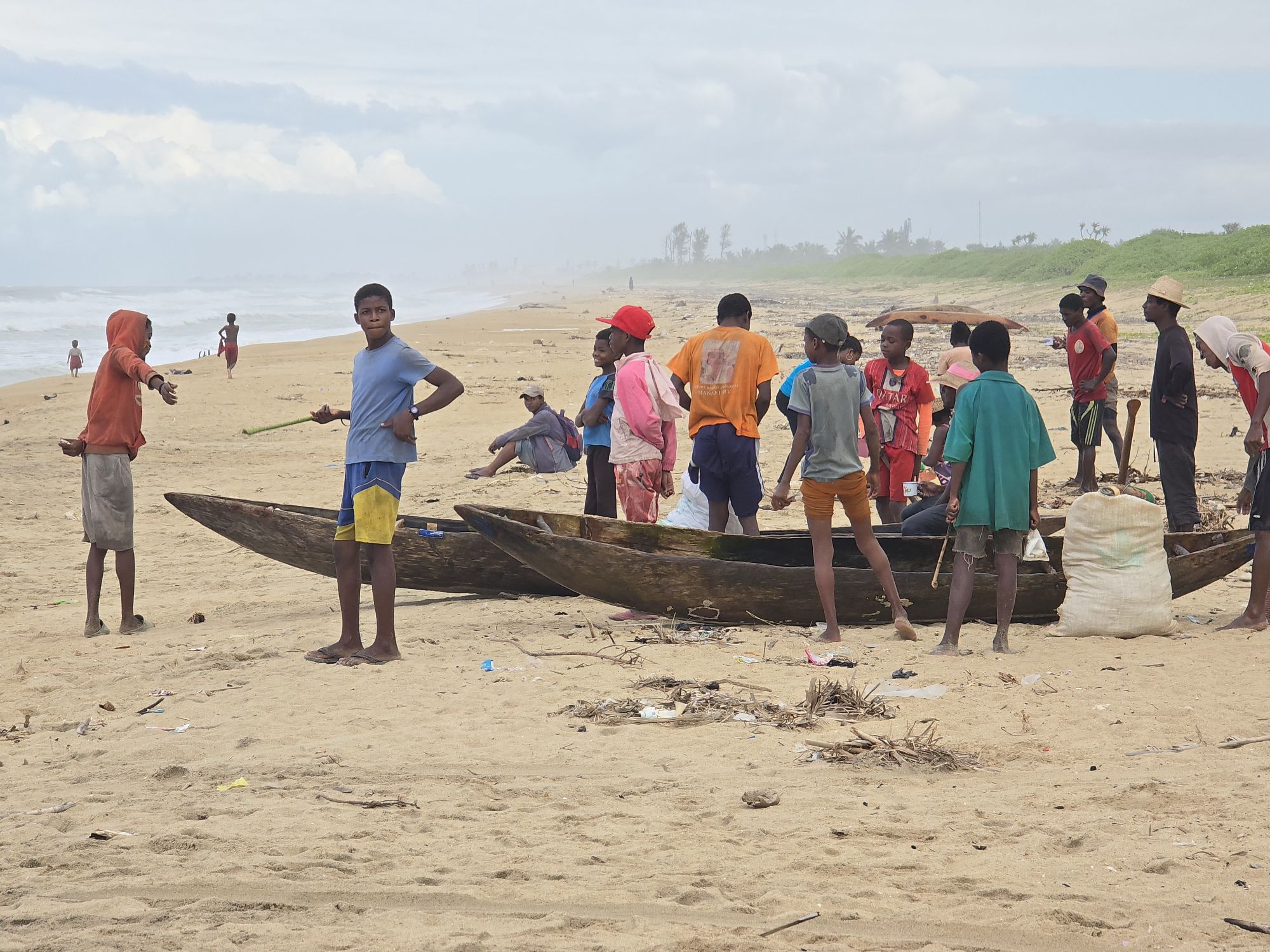
My answer is always the same: I don’t anchor myself in geography—I anchor myself in community.
In Pretoria, it was the Sunday running group that welcomed me with stories, not statistics. In Harare, the dojo became my sanctuary when language failed. In Geneva, the farmer’s market gave me a rhythm and a reminder of where food really comes from.
Comfort came not from where I was, but from how I chose to show up—curious, open, relational.
I’ve learned that the most sustainable comfort is relational, not material. It’s who you break bread with, not what’s on the table.

The Metrics That Matter
My background in health systems means I think in indicators. So I’ve created my own wellbeing dashboard. It’s simple:
- Am I sleeping well?
- Do I feel energized in the morning?
- Are my relationships alive or strained?
- Is my work aligned with my values?
When two or more metrics start slipping, I take it seriously. I don’t wait for burnout. I course-correct.
Comfort, in this sense, becomes less about pleasure and more about calibration. Are the dials tuned to my life—or someone else’s?

Full Circle: A Moment by the Sea
During my last home leave in Seychelles, I stood on the edge of Beau Vallon beach. The sky turned rose-gold. Children were playing in the shallows. The breeze carried the scent of grilled fish and frangipani.
I thought about all the hotel rooms I’ve slept in, the boardrooms I’ve spoken in, the clinics I’ve visited. And I realized something:
Comfort isn’t a destination. It’s a practice.
It’s not about avoiding difficulty—it’s about building the emotional, physical, and spiritual muscle to meet it with steadiness.
In this work—complex, urgent, human—we can’t afford to collapse. So we learn to rest. We learn to rebuild. We learn to breathe.
And we learn, quietly and deliberately, to carry home with us—wherever we go.

 L J Padayachy
Leave a comment