The email pinged my phone at 06 AM. Another partner is questioning our regional HIV prevention strategy. Another bureaucrat demanding faster results across four island nations. I sat up in my bed in Antananarivo. I was tempted to craft the usual diplomatic response. I thought about “complex operational environments” and “multi-stakeholder coordination challenges.”
Instead, I put the phone down.
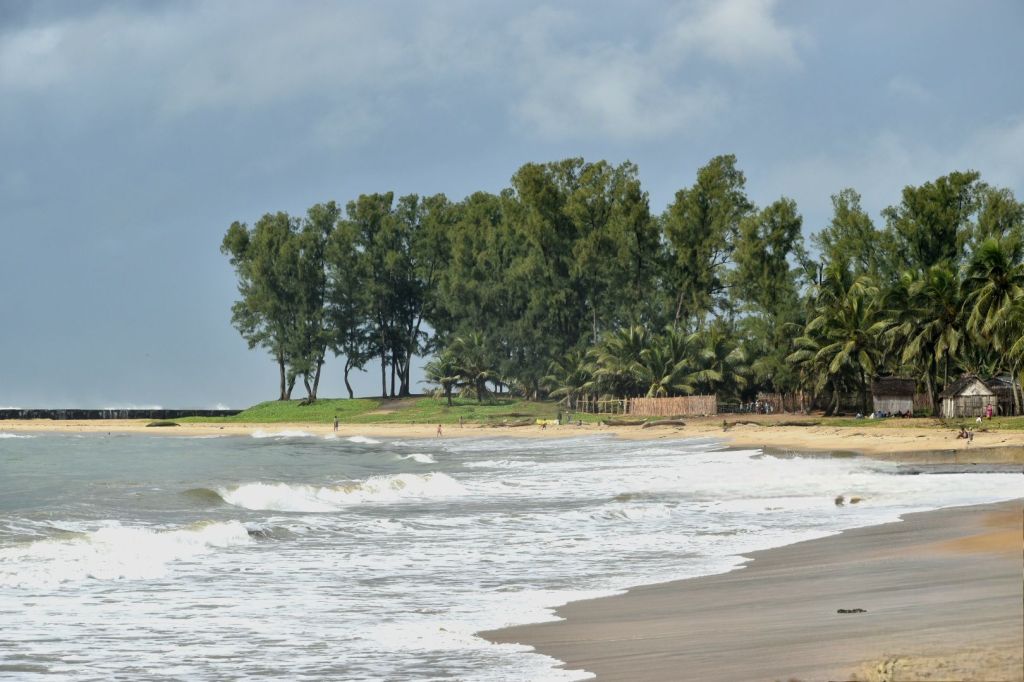
Years earlier, I would have spent the next two hours drafting a defense of our approach. However, my perspective changed after visiting Mananjary, a coastal town that most development workers completely overlook. Sometimes the most important lessons come from the places that aren’t on anyone’s strategic priority list.
What Strategic Development Gets Wrong About Efficiency
Growing up in the Seychelles, I thought I understood island communities. Water. Boats. People making do with what they have. Standard small island developing state narrative, right?
Mananjary shattered that assumption within an hour.
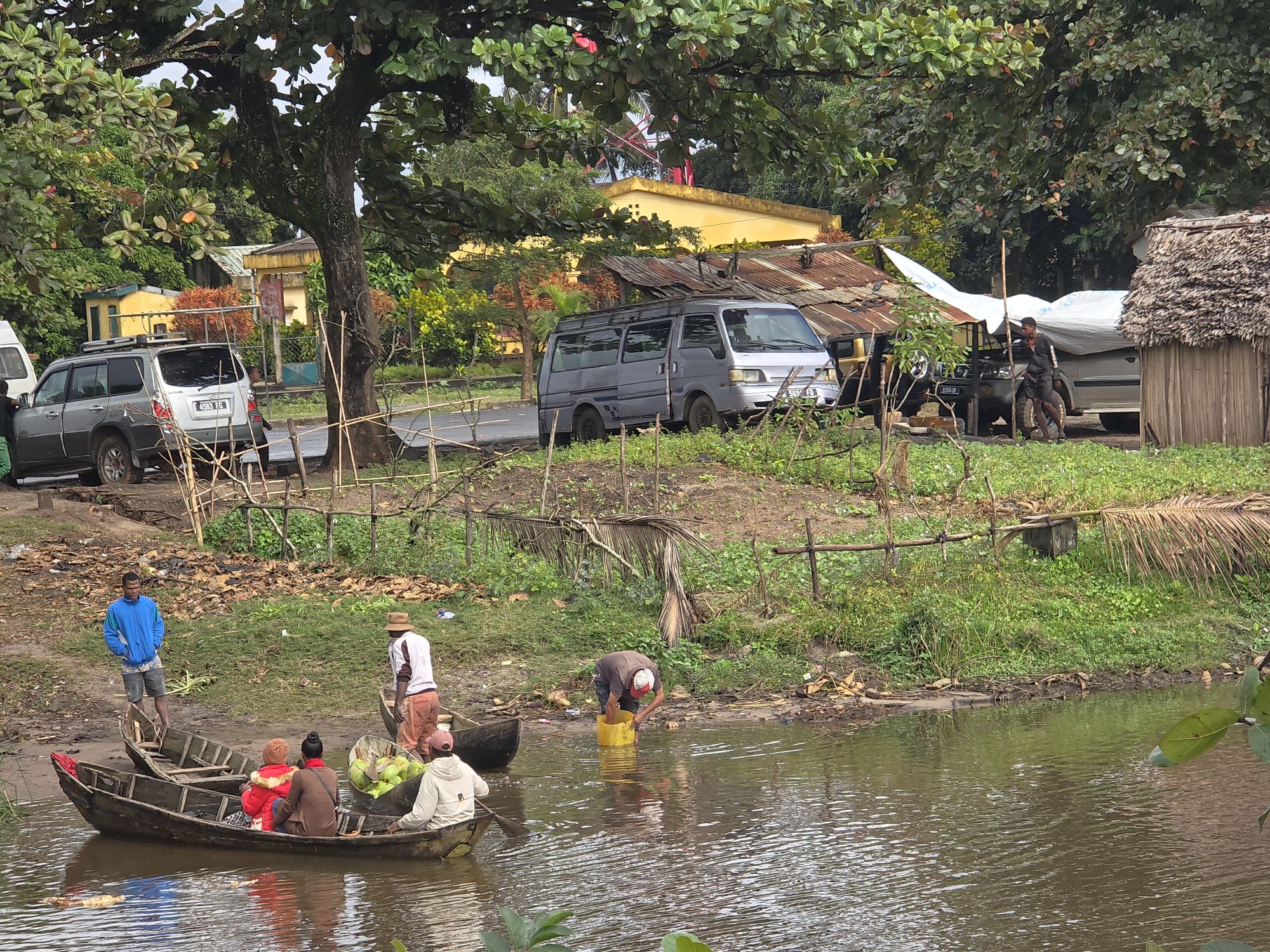
I watched the morning commute unfold on the Pangalanes Canal – wooden canoes gliding between banks thick with vegetation, each paddler reading the water like a familiar text. No schedules posted anywhere. No traffic management system. Yet everyone arrived where they needed to be, when they needed to be there.
A woman in her sixties stepped from canoe to dock with the kind of grace that comes from fifty years of practice. She was carrying a basket of tomatoes, chatting with the canoe operator about his daughter’s wedding, and somehow managing to keep her white dress spotless. All simultaneously.
My UN training kicked in: “Inefficient transportation infrastructure. Limited modal options. Vulnerable to climate disruption.”
But I was wrong. This was efficiency – just not the kind we measure in Geneva.
Back at regional headquarters, we obsess over delivery timelines and beneficiary reach rates. Everything gets reduced to quarterly reports and dashboard metrics. But here was an entire community that had optimized for something we rarely measure: social cohesion, environmental sustainability, and what my grandmother would have called “living sensibly.”
Three weeks later, I was facilitating our quarterly coordination meeting with country directors from all four nations. Instead of the usual pressure for faster reporting cycles, I started asking different questions: What does sustainable progress actually look like when you’re working across ocean distances? How do we build real partnerships instead of just checking collaboration boxes?
The shift was subtle but significant. Our program timelines stayed roughly the same, but something more important changed. Country teams stopped burning out from impossible coordination demands. Partner organizations actually started calling us with ideas instead of just responding to our requests. We learnt to optimize for the right things.
The Economics of Washing Clothes
Every morning in Mananjary, the riverbank becomes a social institution. Women arrive with baskets of laundry, transforming a basic household chore into something that looked more like a neighborhood council meeting. Bright fabrics snap in the breeze while conversations flow – complaints about husbands, advice about sick children, updates on who needs what kind of help.
I spent an hour watching this daily ritual, thinking about all the development programs I’ve seen that try to “improve women’s economic opportunities” by pulling them away from these informal networks.
Madame Célestine, a grandmother with hands that showed decades of hard work, explained : “When we wash together, no one’s problems stay private. If Marie’s husband drinks too much, we find ways to help. If Sophia needs money for school fees, we pool resources. The clothes get clean, but that’s not really why we’re here.”
This wasn’t just about laundry. It was a masterclass in social capital that would make any development economist jealous.
In fifteen years of UN work, I’ve watched countless programs fail because they ignored these existing systems. We design interventions based on individual behavior change models, completely missing the community structures that actually determine whether anything sustainable happens.
The Antambahoaka people – Mananjary’s dominant ethnic group and the smallest tribal community in Madagascar – have survived political upheavals, colonial occupation, and regular cyclones not through individual resilience, but through collective intelligence. Their Sambatra ceremony happens every seven years, marking the transition from childhood to adulthood not through individual tests, but through community celebration and shared responsibility.
We started applying this insight in our regional programming six months ago. Instead of separate country workplans, we created shared learning networks. Rather than individual performance targets, we measure collective impact. Our HIV prevention outcomes haven’t just improved – they’ve become sustainable in ways that surprised our donors.

Building for Storms, Not Just Sunshine
Then there’s the cyclone story.
Cyclone Batsirai flattened 90% of Mananjary’s infrastructure in early 2022. Houses destroyed. Schools gone. The health clinic where International NGOs had been providing malaria treatment – completely demolished. I arrived ten months later expecting to find a community still struggling with disaster recovery.
Instead, I found people rebuilding differently.
Désiré, a local carpenter, showed me the foundation he was constructing for a teacher’s new house. Deeper footings. Reinforced joints. Design modifications based on what Batsirai had taught them about wind patterns and flooding.
“Insurance?” I asked.
He laughed. “We are the insurance.”
Materials cost three times their pre-cyclone price. Government support had been minimal. International aid mostly went to bigger cities. But neighbours were sharing tools, labor, and knowledge. They were adapting building techniques based on hard-won experience, creating solutions that external expertise hadn’t provided.
This wasn’t inspirational poverty porn. It was practical intelligence born from necessity. When you can’t relocate every time conditions get difficult, you learn to build systems that bend without breaking.
The parallel to organizational resilience hit me during our next budget crisis. Donor funding cuts. Staff reductions. The usual institutional response would be panic, followed by desperate attempts to preserve existing programs by doing them more cheaply.
Instead, we asked: What would Mananjary do?
We shared resources across country offices. We adapted program designs based on what we’d learnt from previous funding disruptions. We built partnerships that could weather financial storms instead of just sunshine budgets. Our programs not only survived the cuts – they became more effective because we’d stopped trying to do everything ourselves.

The Discipline of Actually Listening
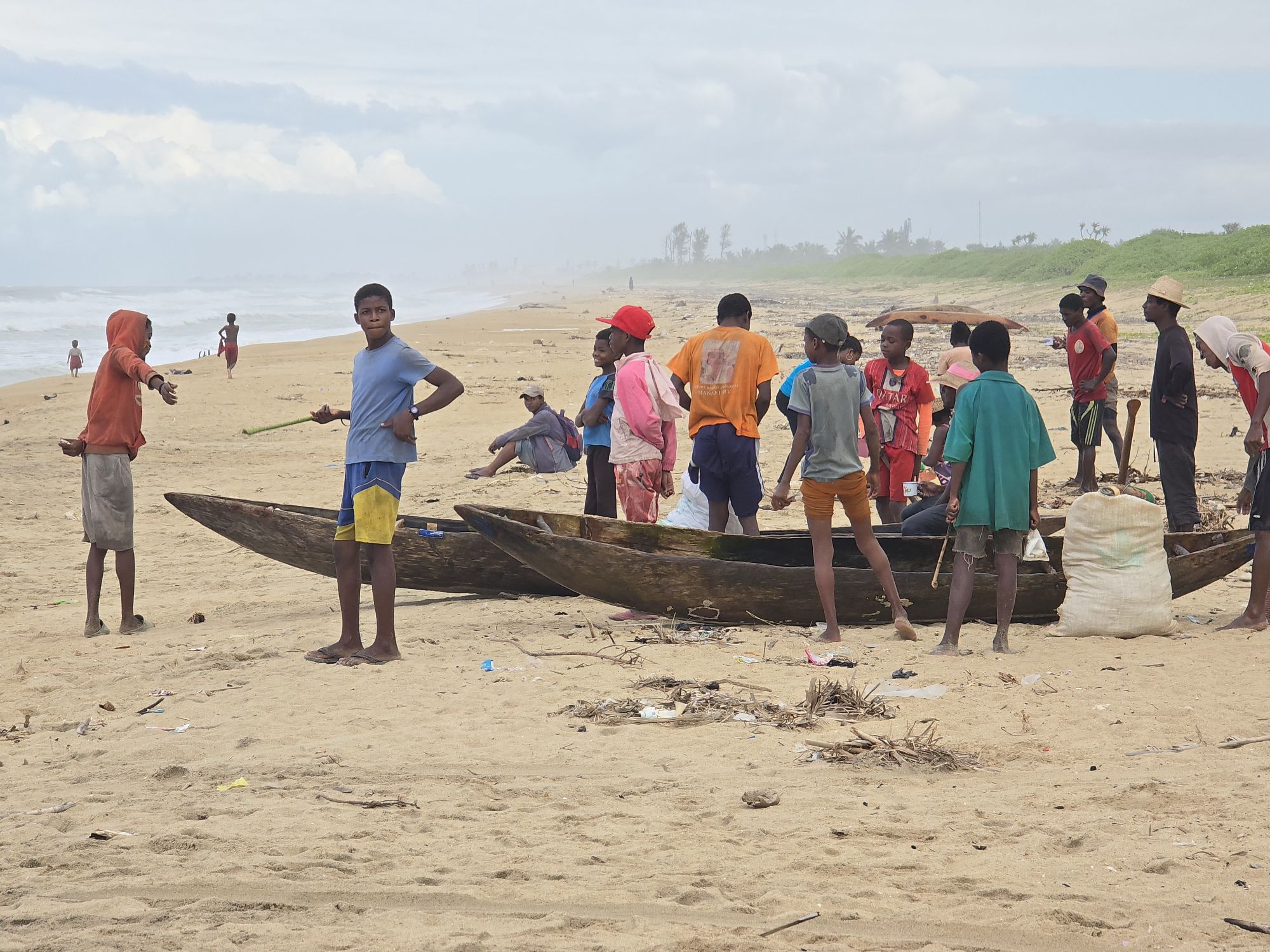
I spent three days learning canoe navigation from Julien, a fisherman whose grandfather taught him the same waters sixty years ago. No safety briefing. No structured lesson plan. Just patient demonstration and gentle correction when I inevitably steered us into the reeds.
“The water tells you what you need to know,” he said as I finally managed to move in the direction I actually intended. “But most people talk too much to hear it.”
In UN culture, we’re trained to have opinions about everything. To fill meetings with expertise. To demonstrate value through analysis and recommendations. But some of the most important insights come from the much harder discipline of listening – to communities, to staff, to the signals that indicate when a program is actually working versus when it just looks good in reports.
I started scheduling what I call “listening tours” with no agenda beyond understanding what country teams were actually experiencing. No PowerPoints required. No action items expected. Just conversation.
Partner relationships improved because we stopped assuming we knew what communities needed. Program effectiveness increased because we finally heard what was working on the ground rather than what looked good in Geneva. Staff retention went up because people felt heard instead of managed.

Beyond Development Tourism
The real lesson from Mananjary wasn’t about travel – it was about presence. About the radical act of engaging with a place and its people without needing to extract data, implement interventions, or optimize the experience for donor reporting.
Dr. Sarah from an NGO, whom I met at a village health post, put it perfectly: “The development workers who make the biggest difference aren’t those who come with the most funding. They’re those who come with genuine curiosity about what’s already working.”
Genuine curiosity, it turns out, is the foundation of everything from effective leadership to sustainable programming to building partnerships that last beyond project cycles. It’s the difference between intervention and collaboration.
Eight months after returning from Mananjary, I still start difficult meetings with genuine questions rather than prepared positions. I still measure collective health rather than just individual performance indicators. I still remember that the most sustainable solutions usually build on existing wisdom rather than replacing it.
That 6 AM email about our HIV prevention strategy? I responded twelve hours later with three questions instead of two pages of justification. The partner’s frustration transformed into curiosity. Our program not only stayed on track – it became a model for other regions.
Sometimes the most important development lessons aren’t found in best practice guides or evaluation reports. Sometimes they’re found in a wooden canoe on a quiet canal. They involve learning to read the currents instead of fighting against them.
 L J Padayachy
Leave a comment