
The Question That Won’t Go Away
“So, what are your future travel plans?”
Everyone asks. During last month’s UN Country Team meeting, three colleagues speculated about my future travel plans. They thought that I might finally embark on that cruise around the Mediterranean. My neighbour thinks I’m planning to “do Europe properly.” Dr Salil, my Indian friend and a former UN colleague, keeps reminding me of a trip to India.
They picture me with a camera around my neck, checking items off bucket lists.
Wrong.
The last fifteen years analyzing HIV data and planning strategies taught me something unexpected about travel. Coordinating the HIV and AIDS response in the Indian Ocean island countries also offered insights. As a senior advisor in Geneva prior to transferring to Madagascar, I’ve been measuring countries without actually experiencing them. Last week, packing up my UNAIDS office in Antananarivo, I found my mission passport. My mission passport contains forty-seven stamps from just the past three years. Moroni for surveillance reviews. Port Louis for strategic planning. Victoria for monitoring visits. I then returned to Madagascar to conduct workshops on data validation.
Always clutching USB drives full of infection rates, checking phones for urgent epidemiological updates.
I realized I’d become an expert at quantifying human suffering without witnessing the humans behind the statistics.
My retirement travel plans? They’re nothing like what people expect.
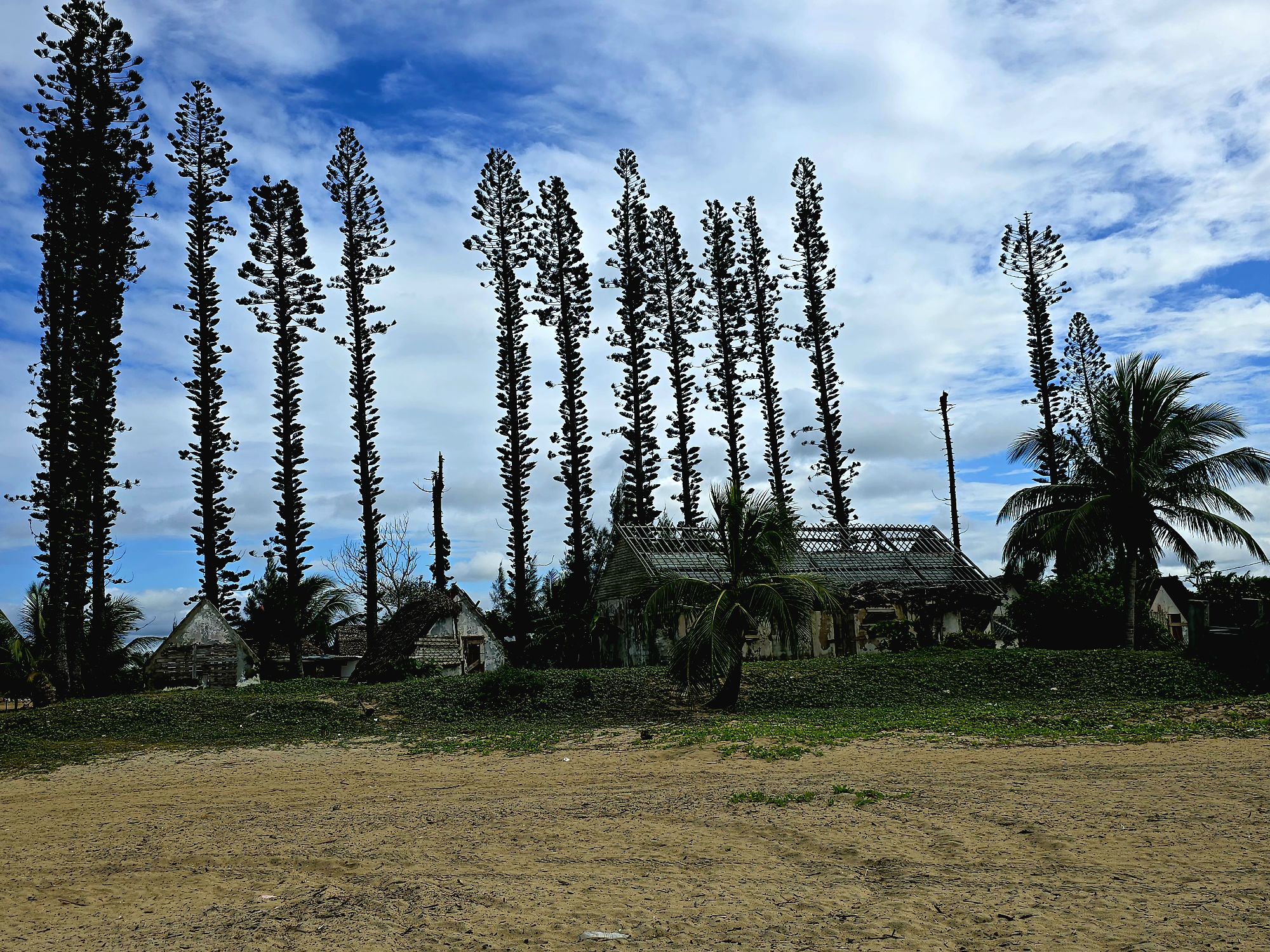
What Over Fifteen Years of HIV Statistics Actually Taught Me
Embarrassingly, I was able to memorize the infection rates for each district in the countries I served. However, I’d never used to attend local weddings. I also never attended a local funeral. They deemed me too busy. There was an overwhelming amount of surveillance data that needed to be cleaned up before tomorrow’s presentation.
During my years running monitoring systems in Madagascar, I initially spent weekends in hotel rooms building PowerPoint slides about treatment cascade indicators. Local staff would invite me to community celebrations, family gatherings, and traditional ceremonies. “Maybe next time,” I’d say. “This report is due Monday.”
There was always another donor report due Monday.
Same pattern everywhere. In Mauritius, I knew the statistics but had never been to the botanical gardens colleagues kept mentioning. In Seychelles—my own home—I could probably map HIV hotspots by district but couldn’t remember the last time I’d watched a sunset from Beau Vallon.
“You know our numbers better than we do,” health ministers would joke during review meetings. They meant it as a compliment.
It wasn’t.
The wake-up call came during one work mission to Comoros. Flight delays meant I missed my usual Friday evening connection back to Antananarivo. Instead of fuming about disrupted schedules, I decided to stay the weekend.
Best decision I’d made in years.
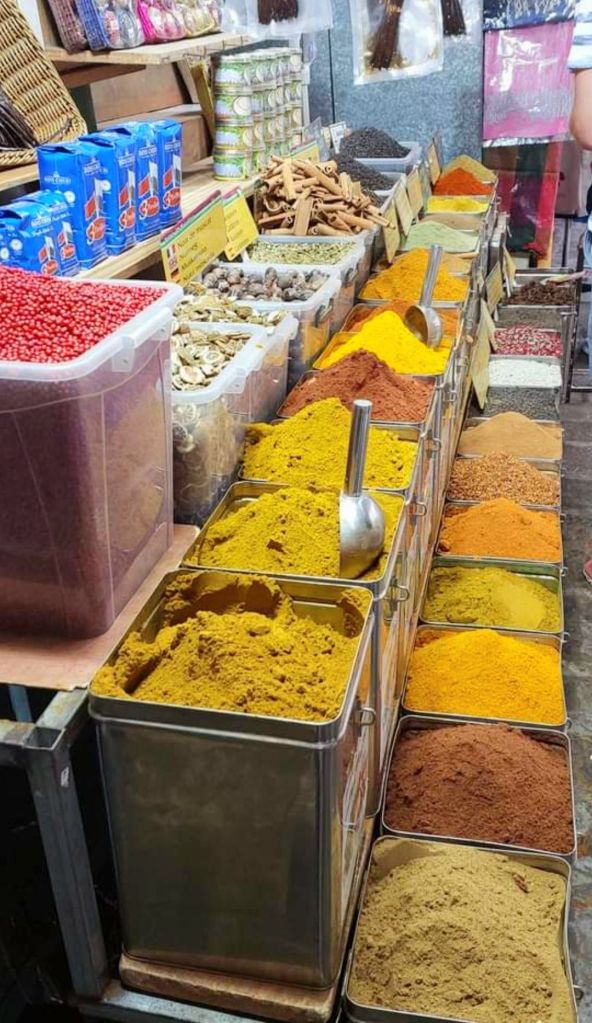
Saturday morning, walking through Moroni’s old quarter without an agenda, I met Fatima. A forty-three-year-old woman, diagnosed 2019, excellent treatment adherence, viral suppression achieved within six months.
Perfect statistical outcome.
But Fatima the person? She ran a small spice shop, supported three children, and had transformed her HIV diagnosis into community activism. Our program indicators didn’t capture the informal support groups Fatima had started. Her approach to disclosure and stigma reduction worked better than anything our behaviour change strategies had achieved.
Two hours talking with her taught me more about the real HIV response than three years of database analysis.

Home Is the Longest Journey
The Seychelles I Stopped Seeing
People find this ironic: my first major retirement trip is to rediscover my own islands. After two decades analyzing health data across the Indian Ocean, I barely recognize home anymore.
My cousin Marie laughed when I told her. “You know our HIV prevalence down to two decimal places, but you haven’t been fishing with Uncle Jean in five years.”
She’s right. I can quote treatment coverage statistics, but I’ve forgotten which beaches my grandfather taught me to read weather patterns from. I speak epidemiological jargon fluently but forgotten some old Kreol expressions my grandmother used daily.
When did I start seeing my own people as data points?
What the Numbers Never Captured
Retirement means finally having time for conversations with elders who remember health before it became statistics. Ti Jean still treats certain ailments using plant medicines passed down through generations. Old Marie-Claire knows which community networks actually support people living with HIV—networks that never appear in our social support indicators.
These aren’t research subjects anymore. They’re my people, whose wisdom I was too busy measuring to actually learn from.

The Art of Staying Put
Madagascar Beyond the Spreadsheets
My first real trip will be back to Madagascar. Not for data validation workshops or surveillance reviews—just to see what I missed while being so damn analytical.
I want to spend a month in the highlands, learning how communities there actually talk about HIV, about stigma, about treatment. During official visits, I’d glimpse traditional healing practices that didn’t fit our biomedical indicators. Community responses to disclosure that worked better than our counseling protocols. But there was never time to understand the mechanisms, only time to code them as “other” in our databases.
Such reductive thinking.
This time, I’ll ask different questions. Or better yet, I won’t ask questions designed for statistical analysis. I’ll listen to stories that can’t be quantified.
Comoros Without Indicators
The Comoros islands hold special meaning now. Three years of surveillance work there taught me that our data collection methods completely missed how families actually cope with HIV. Our household surveys captured economic impacts, medication adherence, clinic attendance patterns.
They never captured the grandmother networks that provide real support. The Islamic leaders who quietly counsel families while officially staying silent about HIV. The traditional healers who complement ARV treatment in ways our monitoring systems couldn’t measure.
I want to return and learn about these invisible support systems. Not to design better indicators—I’m done with that—but because I spent years analyzing social determinants while ignoring actual social relationships.
Mauritius and the Tourism Paradox
Mauritius presents another challenge. Our epidemiological models showed clear correlations between tourism patterns and infection rates in certain districts. Clean statistical relationships that supported policy recommendations about prevention in tourist areas.
But I never understood what it actually felt like to live in those communities. To balance economic opportunities from tourism with health risks our prevention messages warned against. To navigate stigma in small island societies where everyone knows everyone.
My retirement plans include going back to have conversations I should have had years ago. With community leaders, with people living with HIV, with families affected by the epidemic. Not to extract data, but to finally understand the human complexity behind our correlation coefficients.

Writing the Stories That Matter
Here’s what retirement has given me: permission to tell stories instead of presenting statistics.
During my UNAIDS years, everything had to be epidemiologically sound, programmatically relevant, donor-friendly. Real stories got reduced to case studies, anonymized examples, “lessons learned” bullet points.
Complete distortion.
The real stories are messy, unmeasurable, human. Like Thierry in Madagascar, whose viral load numbers looked terrible in our databases—treatment interruptions, poor adherence, multiple resistance mutations. Statistical failure.
But Thierry the person had been caring for his dying mother for two years while supporting three younger siblings. His “poor adherence” meant choosing between transport money for clinic visits and school fees for his sister. His treatment interruptions coincided with periods when he’d sold his ARVs to buy food for the family.
Our monitoring system flagged him as a program failure. His community saw him as a hero.
Or consider Amina in Moroni, whose disclosure patterns confounded our behavioral models. High-risk sexual behaviors according to our surveys, but viral suppression rates that made no epidemiological sense. Turned out she’d created an informal network of women living with HIV who shared treatment costs, provided mutual support, and practiced collective medicine management.
None of this appeared in our indicators.
These people deserve better than being reduced to database entries and trend analysis. My travel plans include going back to collect their real stories. Not for program reports or donor presentations, but for a book that shows what HIV statistics actually represent: human beings navigating impossible situations with remarkable creativity.

The Practice That Kept Me Sane
Thirty-Five Years on the Mat
Throughout every data crisis, every donor deadline, one thing remained constant: my karate training. Found a small dojo near the UNAIDS office in Geneva. Practiced forms alone in hotel rooms during surveillance missions. Taught basic techniques to stressed colleagues in Antananarivo when database crashes threatened our reporting deadlines.
Kyokushin kept me grounded when numbers became overwhelming.
Now I can finally train properly. Retirement means visiting dojos across Africa and Asia, learning from masters I never had time to study with. After thirty-five years of fitting practice around epidemiological emergencies, I can dedicate real time to deepening this discipline.
The physical practice offers something statistics never could: presence in the moment, awareness beyond analysis, strength that can’t be measured.

Beyond the Dashboard
Teaching What Really Matters
Part of my travel plans involve working with universities, teaching courses that bridge epidemiological theory with field reality. Too many public health graduates enter HIV work thinking data collection equals understanding. They design surveillance systems that measure everything except what matters most.
I want to prepare them better. Show them how to read statistics as human stories, how to design monitoring systems that capture complexity rather than reducing it.
The most valuable teaching happens through shared experience. I have taken students to communities where I have worked, introducing them to the people behind our prevalence estimates. I assisted them in comprehending that each individual represented by a data point is a real person.
What Changed
Standing on the same Seychelles beach where I learned to swim, watching waves that have been hitting these granite rocks for millennia, something crystallized.
My travel plans aren’t about destinations.
They’re about perspective. Real perspective, not the epidemiological frameworks that shaped my career. Time to see communities as communities, not surveillance sites. Time to meet people as people, not statistical units.
After decades of measuring the HIV response, I’m finally ready to experience it.
The countries may look familiar from my mission reports, but the statistician who is visiting them has changed completely.
He’s completely different now.
 L J Padayachy
Leave a comment