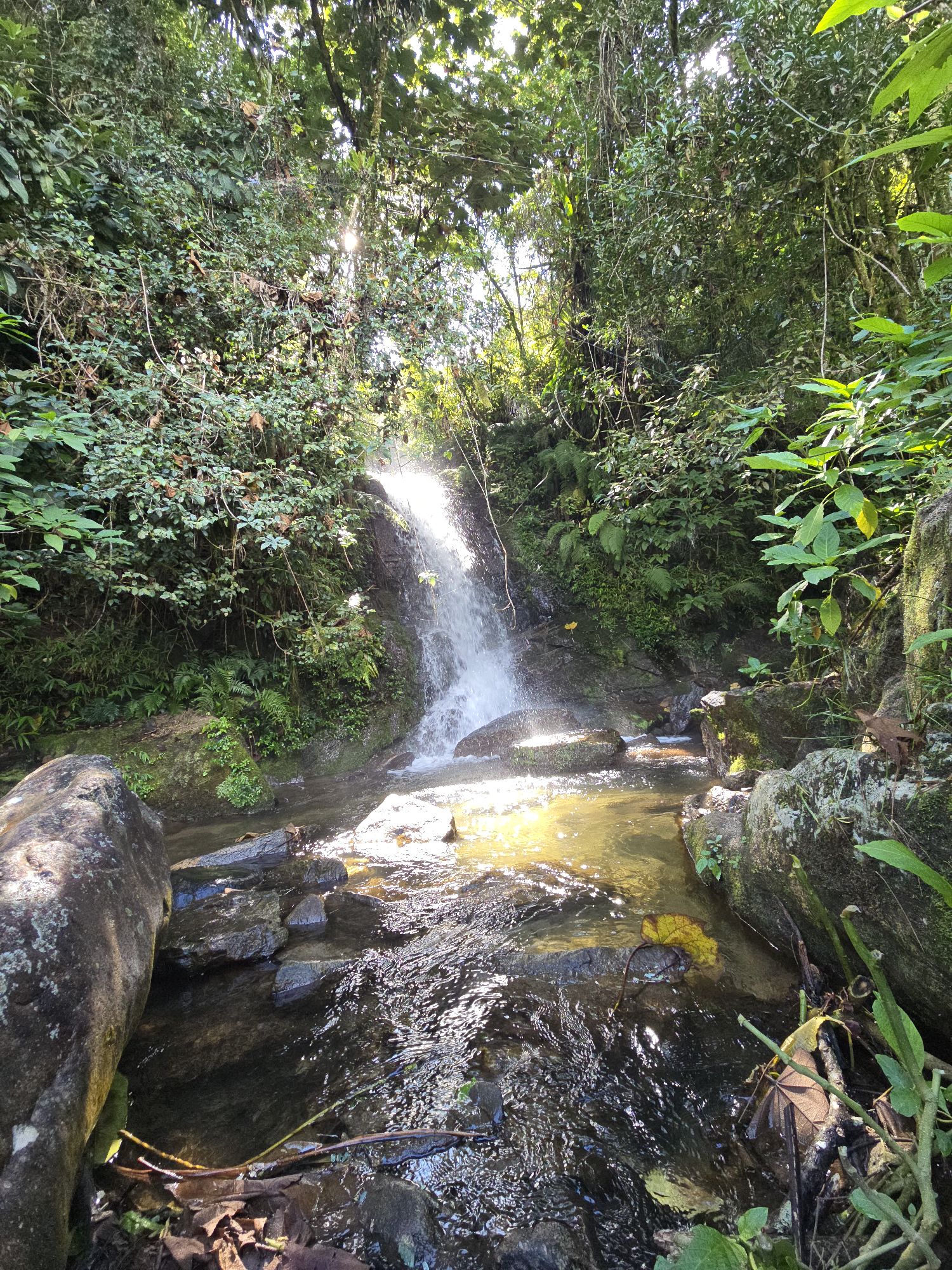
The Coffee That Taught Me Everything
I don’t rush when I travel anymore. Used to sprint between tourist spots, checking boxes off itineraries like a completion fanatic. But something shifted after too many trips where I remembered the monuments but forgot the moments.
Now I have one rule: find something worth noticing and actually notice it.
In Fenerive Est, that something was coffee.
The café looked like nothing special. Cracked concrete walls, benches, hand-painted sign that might have said “Café” if you squinted. I almost walked past. But the smell stopped me cold—rich, earthy, nothing like the watery stuff most places serve tourists.
A young guy approached my table, already grinning. “Un café fort?” he asked, like he’d sized me up correctly.
“Très fort,” I said.
He laughed. “Good. No sugar here anyway. Just coffee that tastes like coffee.”
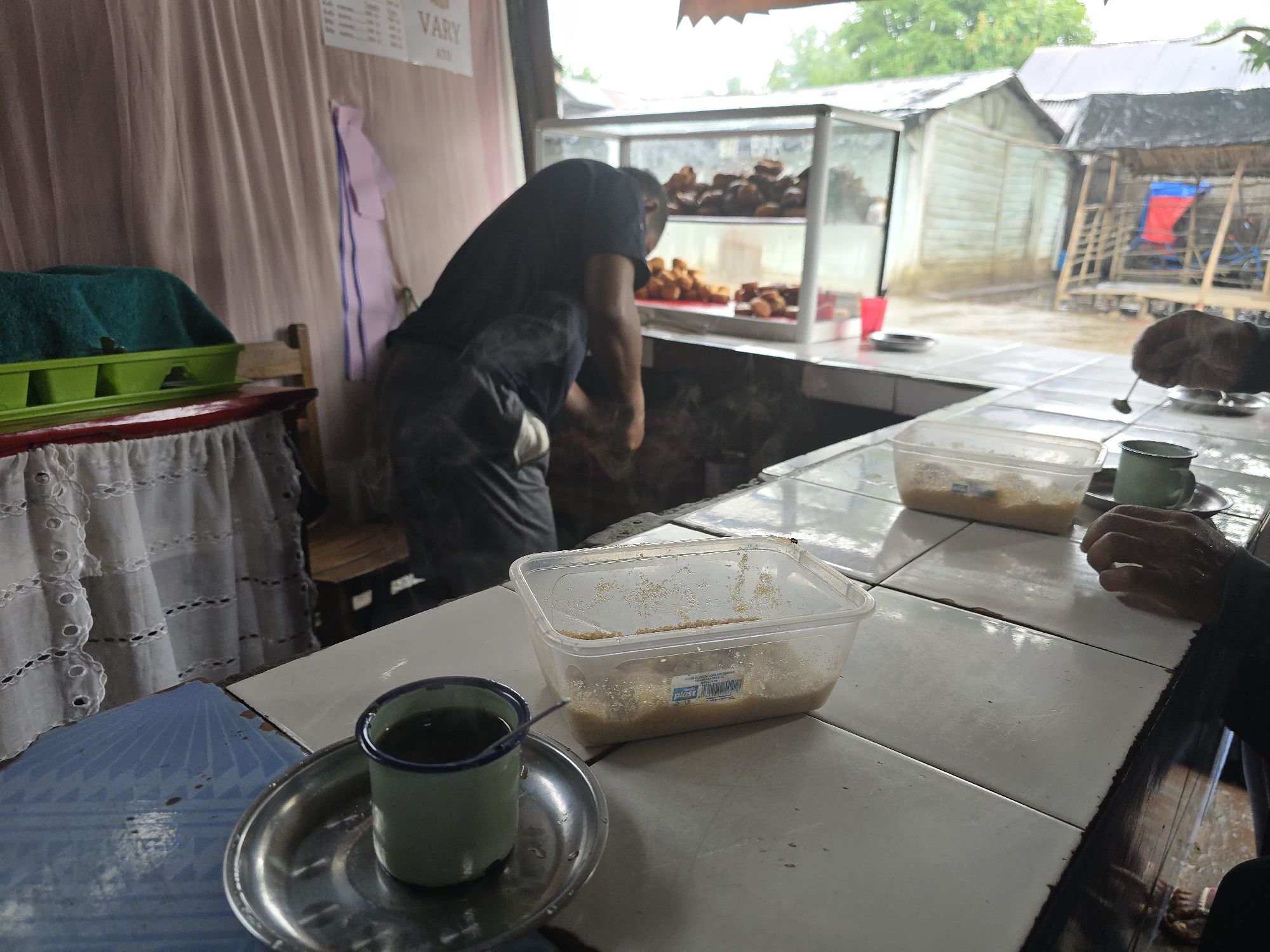
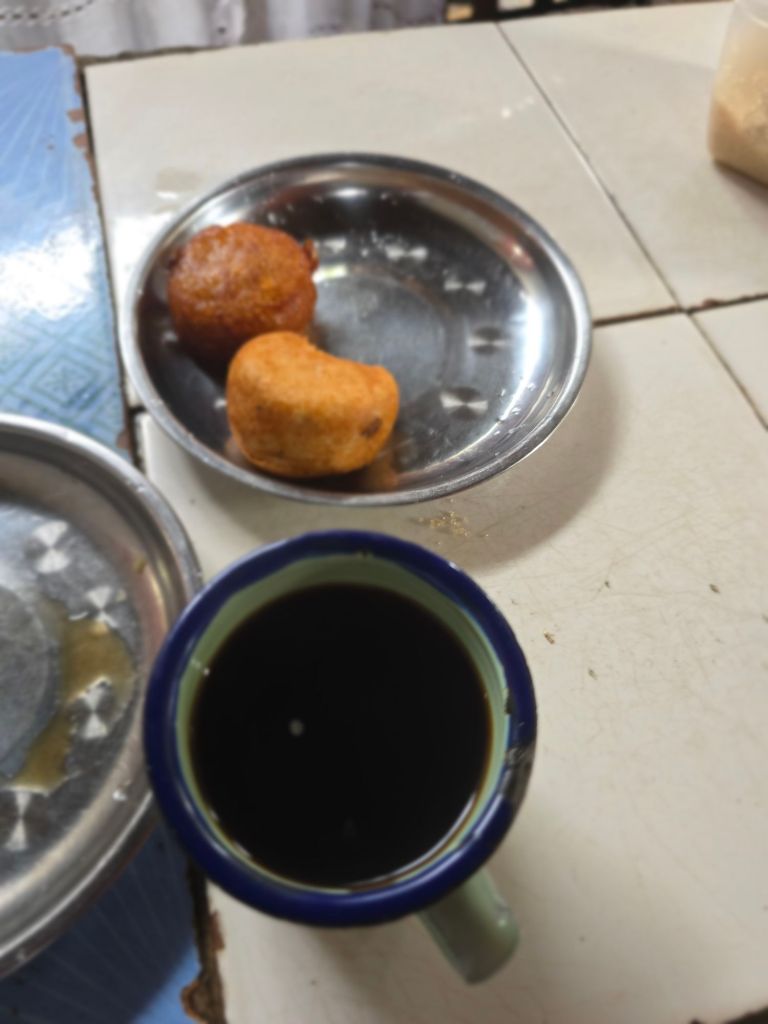
When the cup arrived, I understood. This wasn’t café au lait or espresso or any category I knew. This was something else entirely. Dark as motor oil, thick enough to stand a spoon in, but smooth going down. I took a sip and made some involuntary noise of appreciation.
The waiter leaned against the doorframe, watching my reaction. “Different from Tana, yeah?”
“Completely different. This has… personality.”
“That’s because it comes from my uncle’s farm,” he said, suddenly serious. “He tells everyone coffee remembers the hands that picked it. Sounds crazy, but…” He shrugged. “Taste speaks for itself.”
What Listening Looks Like
That conversation lasted maybe ten minutes, but it changed how I think about places. The coffee wasn’t just coffee. It was connection to soil, to family, to generations of farmers who knew things about growing and processing that never made it into guidebooks.
Most travelers would have ordered, drunk, paid, left. I almost did. But something about slowing down, asking one question, letting the moment expand—that revealed layers I’d been missing everywhere else.
In Mahajanga, I learnt this lesson again, differently.
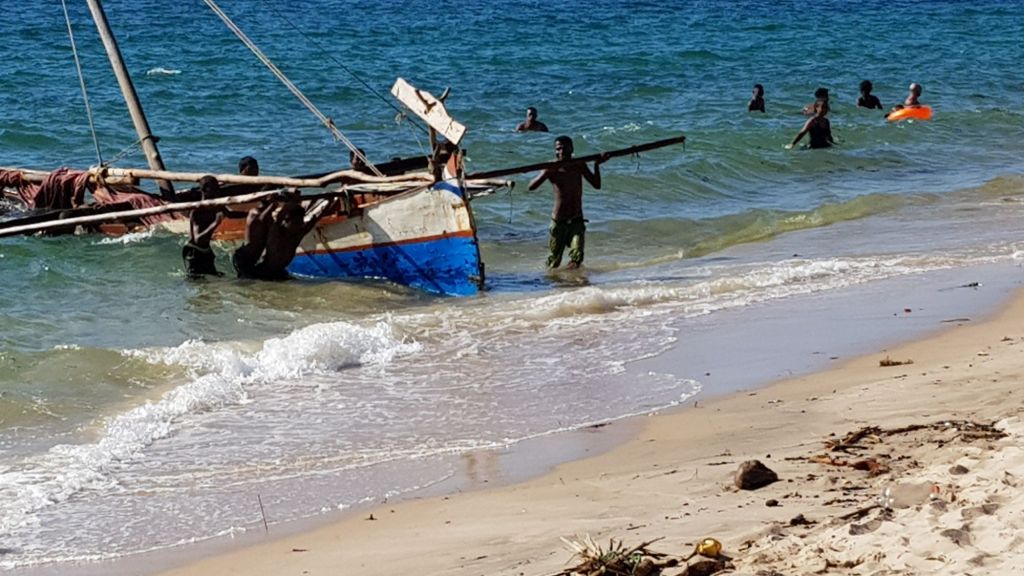
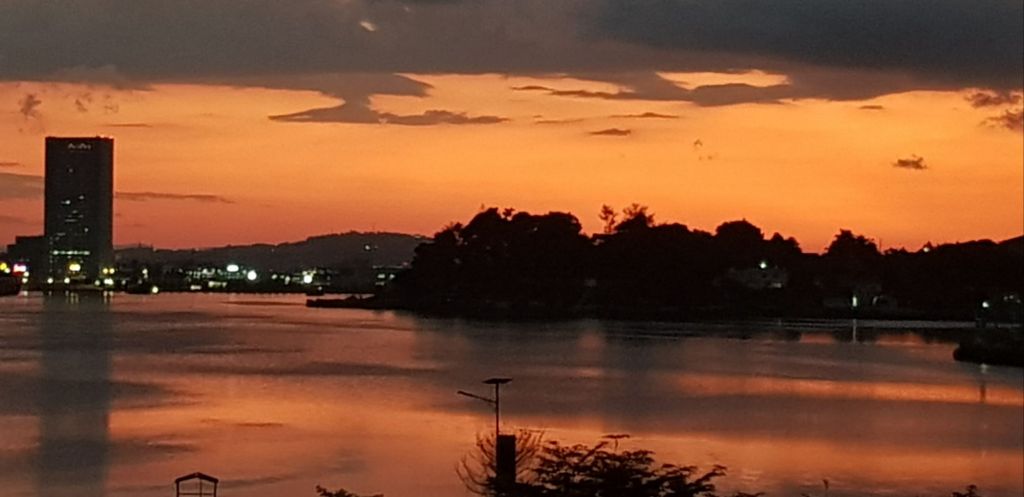
I was doing the visitors thing, photographing sunset over the Mozambique Channel. Golden hour, dramatic clouds, the whole postcard setup. Focused on getting the perfect shot when an old fisherman wandered over, net slung across his shoulder like he’d been carrying it for decades.
“You people always love this time,” he said in French, amused. “But you never stick around for what comes next.”
I lowered my camera. “What comes next?”
He pointed toward the horizon where orange was fading to deep blue. “Watch the water. When the colour’s gone completely, the sea goes quiet. That’s when fish start moving, when they stop being scared. You have to listen for the change.”
So I stood there with him, camera forgotten, just watching. And he was right. As the last light disappeared, something shifted. Not just visually—the whole atmosphere changed. Water sounds, bird calls, even the temperature felt different.
“Now you’re really seeing Mahajanga,” he said, starting to walk away. “Most visitors miss the best part.”
The Pattern Emerges
These moments started happening everywhere once I learnt to look for them. Not manufactured experiences or planned activities. Just pauses that let places reveal themselves.
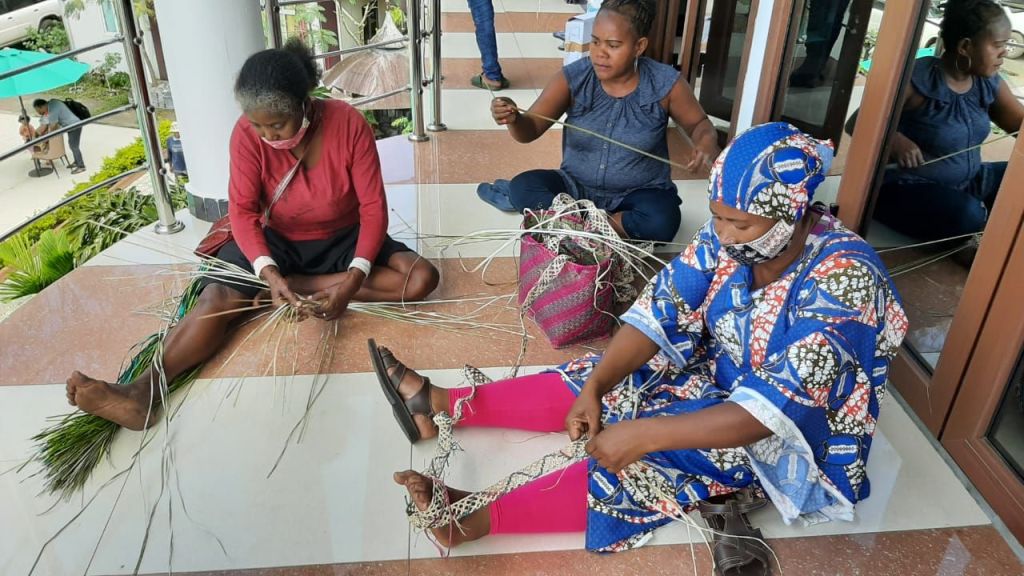
In Foulepoint, it was watching a woman weave baskets from dried grass, her fingers moving so fast they blurred, but every strand landing exactly where it belonged. She taught me three different weave patterns while her grandson played at our feet, switching between Malagasy and French without noticing.
In Andasibe, it was listening to indri calls echo through morning fog with a park guide who could distinguish individual families by their songs. “That one’s singing for his mate,” he’d say, or “Those three are arguing over territory.” The forest became a neighborhood once he translated the conversations.
Each time, the same pattern: slow down, ask questions, let people teach you something you didn’t know you wanted to learn.
What This Actually Does
This habit changed more than my travel photos. It changed how I see my own neighborhood. Started noticing the baker who arrives at 4 AM to prep fresh bread. The bus driver who knows every regular passenger’s stop. The street artist who updates his corner mural every few weeks with subtle additions most people miss.
Turns out mindful discovery works anywhere. You don’t need exotic locations or foreign languages. You just need to stop treating places like backdrops and start treating them like communities full of people who know things you don’t.

How to Start Small
Pick one interaction on your next trip. Could be ordering coffee, asking directions, buying groceries. Instead of rushing through the transaction, stay curious for thirty seconds longer.
Ask where something comes from. How it’s made. What makes this version different from others? Most people love talking about things they know well, especially when someone genuinely wants to listen.
Don’t worry about looking like a visitor. You are a visitor. But you can be the kind who’s interested in learning something real instead of just collecting experiences.
The difference is attention. Real attention, not the divided kind where you’re already thinking about your next stop. Full presence in whatever small moment you’ve chosen to notice.
Why This Matters
Travel magazines sell adventure and luxury and Instagram moments. But the memories that actually stick, the ones that change how you see the world, usually happen in quiet exchanges with people who weren’t trying to impress you.
The coffee farmer’s nephew in Fenerive Est. The fisherman in Mahajanga. The basket weaver in Foulepoint. None of them knew they were teaching me anything profound. They were just sharing what they knew because I bothered to ask.
Growing up on an island teaches you that every place has layers. There are surface attractions, local stories, and deeper currents that interconnect everything. Most visitors never get past the surface because they’re moving too fast to notice the invitations.
Mindful discovery isn’t about being spiritual or profound. It’s about being curious enough to let experiences expand beyond their obvious boundaries. About giving places permission to surprise you instead of demanding they confirm your expectations.
The world speaks constantly. In flavors, in techniques, in stories people carry. But it whispers, not shouts. You have to slow down enough to hear it.
About the Author
Raised on a tropical island where every neighbor had stories worth hearing, I’ve carried these listening skills through two decades of travel across Madagascar and beyond. My approach focuses on finding authentic connections through simple curiosity rather than seeking extraordinary experiences. Sometimes the most profound discoveries happen over ordinary cups of coffee with people who become teachers without realizing it.
 L J Padayachy
Leave a comment