
A Madagascar-based professional shares why island life beats city living, from lemur interruptions to cyclone innovations.
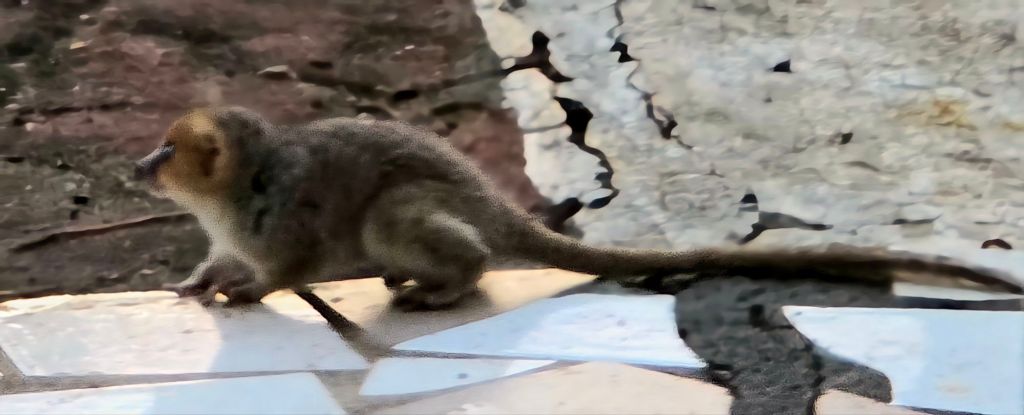
At dawn, while I was preparing for meditation, my colleague Asina calls out. An unidentified creature, resembling a hybrid of a tiny lemur and a rat, materialized on the veranda of the bungalow. We had rented it for the Tsingy trip with my office colleagues. The animal was racing across the floor. It was probably in search of food. This was happening mid-sentence while I was explaining sustainable tourism to Vidya, my journalist friend in Seychelles.
Through the video screen, I watched Vidya’s expression shift from professional concentration to pure bewilderment as this ring-tailed bandit. “Is that…normal?” Vidya asked. I paused the presentation to have a better look and photograph the creature. “Welcome to Madagascar,” I said, laughing despite myself. “Where normal gets redefined daily.”

That interruption happened a month ago. The whole office team went on a work mission in Morondava. We also took some time to visit the Tsingy de Behamara. This was fun and at the same time a team building exercise. Surely, any place with such an environment, adventures and events are surely fun.
When your office comes with wildlife commentary
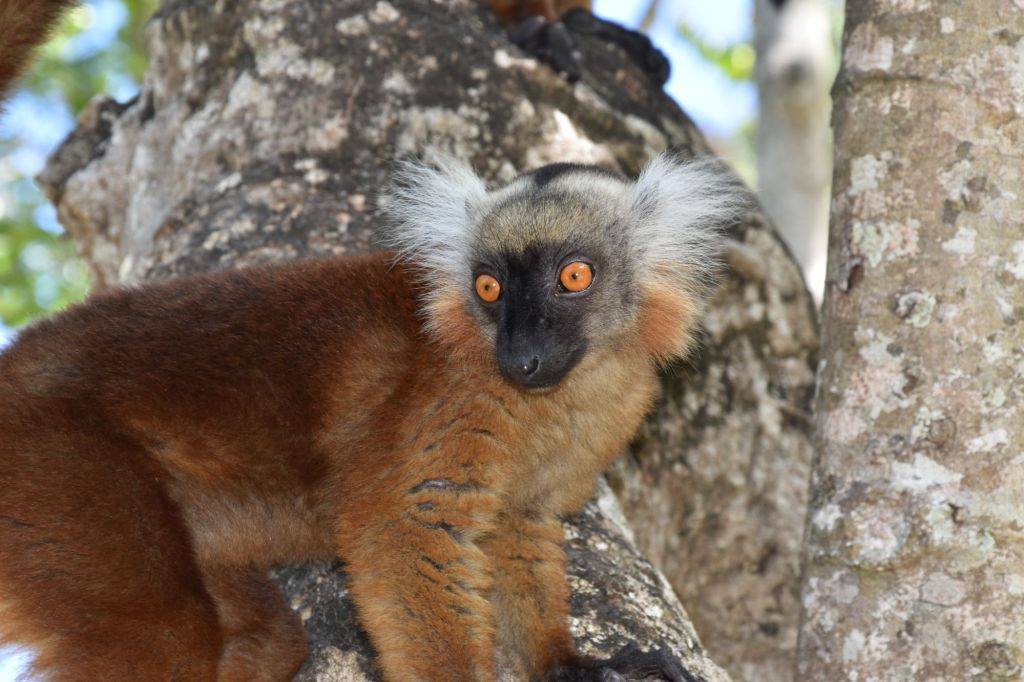
Every morning at 6:47 AM, the indri, or babakoto, start their territorial calls. They begin from the eucalyptus grove behind my guesthouse in Andasibe. Not 6:45. Not 6:50. 6:47, like they’ve synchronized their circadian rhythms with Swiss precision. These haunting wails—Madagascar’s most famous sound—have become my natural alarm clock and, unexpectedly, my competitive advantage in virtual meetings. These primates are quite interesting. The groups are quite vocal, communicating with other groups by singing, roaring, and other vocalizations. They are the only mammal found that can use rhythm besides human beings.
Tuesday two months ago, during a call with a friend Kerala, those otherworldly calls drifted through my window. The friend from Kerala stopped mid-sentence in the conversation. “What was that sound?” I explained about indri lemurs and their territorial communication. Each family group has distinct vocal patterns that scientists are still mapping.
Suddenly our conversation shifted to authentic experience design. We spent the next 20 minutes discussing genuine uniqueness. This is the kind you can’t manufacture or replicate. Such uniqueness creates lasting value in personal experience.
The morning the power died during investor calls
Cyclone Batsirai knocked out electricity for six days in February 2022. Day three happened to coincide with scheduled presentations for a new community-based initiative in Mananjary. My laptop battery was dead. My phone had maybe two hours left. Internet backup wasn’t happening.
So I grabbed my solar charger and hiked to the hill behind the village. This is where Rakoto grows cassava. I set up my makeshift office under his mango tree. Rakoto, curious about this strange spectacle, brought his morning coffee and stayed to listen.
The colleagues at the Johannesburg regional office were initially confused by my outdoor backdrop. Then Rakoto started translating my pitch into Malagasy for his neighbour who’d wandered over. Suddenly I had a live focus group of potential community partners. They were providing real-time feedback on health and development plans. These plans would directly affect their lives.
What started as a technical disaster became the most authentic presentation I’ve ever given. Colleagues later told me that seeing community members engage with our proposals boosted their confidence. It provided more assurance than any feasibility study could.
Rakoto still asks about “the mango tree intervention” whenever I see him.

What vanilla farmers taught me about patience
The vanilla orchids in Sambava region bloom once per year. Each flower opens for exactly one day. Miss that window, miss the entire year’s harvest. Perelette manages 150 vanilla vines. She knows each plant individually. She explains this while we walk her plantation at 5 AM. Our headlamps cut through the morning mist.
“Vazaha want everything yesterday,” he says, hand-pollinating flowers with a toothpick-sized bamboo stick. “Vanilla teaches different lessons.”
This philosophy initially frustrated me. Coming from fast-paced UN environment, waiting felt like inefficiency. But Madagascar’s rhythm slowly recalibrated my expectations. Projects here unfold across seasons, not quarters. Relationships develop through shared cyclones, not quick networking events.
When we design interventions now, we build in vanilla-time. It is a space for conversations to develop naturally. It allows for trust to grow organically. Experiences can ripen at their own pace rather than rushing toward artificial climax moments.
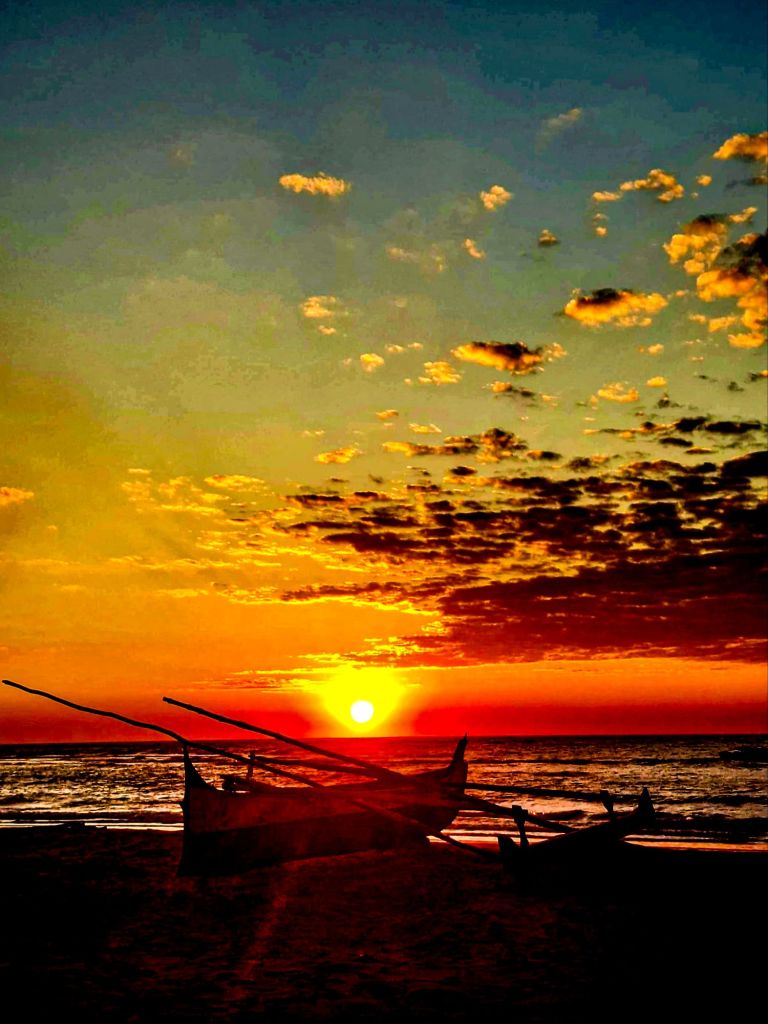
My colleagues coming on international assignment and support initially resisted this approach. They arrive with packed itineraries, predetermined opportunities and outcome, and scheduled “spontaneous” experiences. Then something shifts. Maybe it’s watching sunset from the Tsingy de Bemaraha limestone spires while listening to village stories. Maybe it’s sharing meals with Vezo fishing families who’ve never owned clocks but navigate by stars and tide patterns.
They leave understanding what Perlette meant. Some experiences can’t be accelerated.

The economics of zebu cart internet
My internet connection travels by zebu cart.
Well. Not literally, but close. The electricity cable serving our region is transported via ox-drawn cart for the final fifteen kilometers. Roads become impassable during the rainy season. This means our connectivity depends on zebu stamina, cart maintenance, and whether Bertrand remembered to waterproof the equipment properly.
This arrangement would frustrate most digital professionals. It’s taught me resilience design—building systems that work despite infrastructure limitations rather than requiring perfect conditions. Client communications include backup channels. Project timelines account for “zebu delays.”
These adaptations originated from necessity. They became selling points when marketing to eco-conscious travelers. These travelers value authentic, low-impact experiences over seamless digital connectivity. My “digital detox by design” packages appeal to executives burned out on constant connectivity.
The zebu cart solution also sparked conversations with tech entrepreneurs in Mauritius about rural connectivity innovations. Sometimes the most innovative solutions emerge from accepting limitations rather than fighting them.

Night sounds and noise pollution
City friends complain about traffic noise, construction sounds, neighbour’s music. My noise complaints are different.
Last month, fossas kept me awake for three straight nights. These cat-like predators sound like someone torturing violins while gargling gravel. They hunt in our neighborhood between 2-4 AM, announcing their presence through sounds that would make horror movie editors jealous.
But here’s what I learned: those fossa calls mean our local ecosystem is healthy. Fossas sit at the top of Madagascar’s food chain. Their presence indicates intact forest connectivity, sufficient lemur populations, balanced predator-prey relationships.
When I can’t sleep because of fossa concerts, I’m actually listening to proof that conservation efforts are working.
This reframing changed how I present wilderness experiences to clients. Instead of promising peaceful nature retreats, I now market “ecosystem health audits through natural soundscapes.” Tourists become acoustic ecologists, learning to read environmental stories through night sounds.
Madagascar hasn’t made me more patient or spiritual or any of those travel blog clichés. It’s made me more attentive and inventive. More collaborative. Better at finding opportunity inside obstacles.
Living here means your Monday morning could include visit from lemurs, zebu cart negotiations, or cyclone-powered innovation sessions. It means success gets measured not just in profit margins. Success is also measured in community partnerships and conservation outcomes. Moreover, there’s the occasional indri-interrupted video call that still closes the deal.
The fossas are calling again outside my window as I finish writing this. Tomorrow I’ll be tired. But tonight, I’m listening to proof that this strange, challenging, impossibly beautiful island continues to teach me things. No business school ever could offer these lessons.
 L J Padayachy
Leave a comment