
It’s Sunday morning in Mahé. I’m sitting in the same spot where my grandfather Dharmalingam used to meditate under the old mango tree. The irony isn’t lost on me. I’ve spent thirty years racing around the world. I’ve been trying to help achieve peace for others. I’m only now learning what relaxation actually means.
A colleague asked me this question last month: “How do you relax?” I started to give my usual UN staff answer about “work-life balance strategies,” but then I stopped. Because honestly? For most of my UN career, I didn’t really know how to relax. I knew how to manage stress. I knew how to stay functional under pressure. I maintained my morning meditation and gym routine even in the chaotic of international work missions. But true relaxation? That’s been a harder lesson to learn.
What My Grandfather Never Told Me About Rest
When I was growing up in the Seychelles with Dharmalingam, I watched him every morning. He sat perfectly still at 5 AM, breathing slowly under that mango tree. As a kid, I thought he was just… doing nothing. It looked boring. Pointless, even.
“Son,” he’d say when I’d fidget nearby, “there’s a difference between stopping and resting. Most people only know how to stop.”
I had no idea what he meant then. I thought meditation was relaxation. I thought his quiet moments were just old-age slowness. But three decades of international service has taught me the difference between managing stress and actually letting it go.
The moment it clicked was during my posting in Madagascar. I had just finished months of delicate negotiations for the continuation of the UN HIV and AIDS response. This was necessary because of the budget freeze and budget cut. I was completely drained. I felt more than just tired. It was a hollow, bone-deep exhaustion. This comes from carrying other people’s issues in your body for too long.
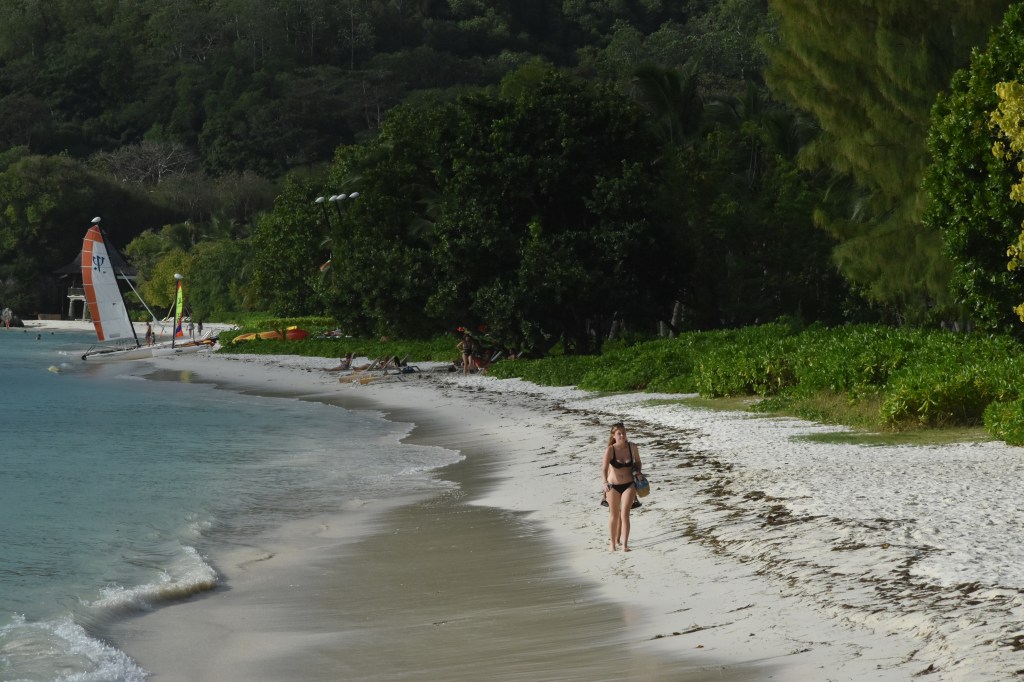
I found myself on a beach in Nosy Be. For the first time in months, I had nowhere to be. I had no one to call and no crisis to manage. And you know what? I panicked. I literally didn’t know what to do with myself when I wasn’t “on.”
That’s when I realized I’d spent decades learning how to function under stress. However, I’d never learned how to actually relax.

The Art of Letting Go (It’s Harder Than Kyokushin Karate)
My Kyokushin Karate training taught me discipline, focus, and how to find center in chaos. But relaxation? That’s almost the opposite skill set. In karate, you’re always ready, always aware, always prepared to respond. True relaxation means trusting that it’s safe to let your guard down completely.
This hit me during a particularly intense mission in the Comoros. I’d been dealing with the UN Porgramme on HIV and AIDS during tensions for weeks. I maintained my morning routine of meditation and gym workouts. I practiced karate forms in my hotel room to stay centered. I was handling the stress beautifully – until the crisis passed and I couldn’t turn off.
I remember lying in bed that first night after the successful work mission. My mind was still racing through contingency plans. These plans were for problems that were already solved. My body was exhausted, but I couldn’t drop the hypervigilance that had kept me sharp during the talks.
That’s when I discovered the difference between my morning meditation practice and evening relaxation. Morning meditation prepares you for the day – it’s active, focused, intentional. Evening relaxation is about releasing the day – it’s passive, accepting, surrendering.
Learning to surrender turned out to be way harder than learning to fight.

Yoga Taught Me How to Exhale (Finally)
The breakthrough came through yoga, but not in the way you might think. I had been practicing yoga for years as part of my wellness routine. However, I approached it like everything else in my international civil service career. I saw it as something to master, improve, and achieve.
I was in Mauritius. It was the end of a particularly challenging regional conference. I joined a sunset yoga session on the beach. The instructor was a local woman named Celeste. She kept saying something that made no sense to me: “Let the pose do you.”
Let the pose do me? I was there to do the poses. That’s how yoga works, right?
But as I held a simple child’s pose while the sun set over the Indian Ocean, something shifted. Instead of thinking about my form, my breathing technique, or what pose came next, I just… let the ground hold me. Let gravity do the work. Let my breath breathe itself.
For the first time in years, I felt my nervous system actually downshift. Not just managing stress or staying centered in chaos, but genuinely relaxing. It was like discovering a gear I didn’t know my body had.
That night, I slept for ten straight hours without waking up once to check my phone.

The Seychelles Method: Relaxation as Cultural Practice
Returning to the Seychelles as I approach retirement has taught me something. Relaxation isn’t just a personal practice. It’s cultural. Growing up here, I experienced a different relationship with time. Urgency was perceived differently, along with the need to always be productive.
My European ancestors brought their work ethic and efficiency. My Asian heritage contributed discipline and routine. My African roots added community and rhythm. But the Seychelles itself taught me something none of those cultures could: the art of “just being.”
There’s a Creole concept called “tranquil” that goes deeper than the English word “quiet.” It’s not just the absence of noise – it’s the presence of peace. It’s sitting on the veranda at sunset not because you’ve scheduled relaxation time, but because that’s what sunset is for.
Watching my neighbors here, I’m remembering what I’d forgotten during my years of international travel. People here don’t just “relax” – they exist in relationship with natural rhythms. They fish when the tide is right, not when their calendar says. They gather when the spirit moves them, not when it’s convenient.
This isn’t laziness or lack of ambition. It’s a sophisticated understanding of sustainability – the kind that applies to humans, not just environments.
How I Actually Relax Now (Hint: It’s Not What You Think)
After thirty years of learning to function under pressure and several more learning to let go of pressure, here’s what relaxation actually looks like for me:
Morning routine stays active: My 5 AM meditation and gym workout aren’t relaxation – they’re preparation. They set me up to handle whatever the day brings while staying grounded. But now I understand they’re just one half of the equation.
Evening surrender: After dinner, I practice what I call “Dharmalingam time” – sitting quietly without agenda. Not meditating with a focus, not stretching with a goal, just being present with whatever arises. Sometimes it’s five minutes, sometimes an hour. The point isn’t duration; it’s permission to stop managing my experience.
Weekend “tranquil”: I’ve learned to have entire mornings with no plan beyond following my energy. Want to read for three hours? Fine. Feel like staring at the ocean? Perfect. The goal is responding to what I actually want, not what I think I should want.
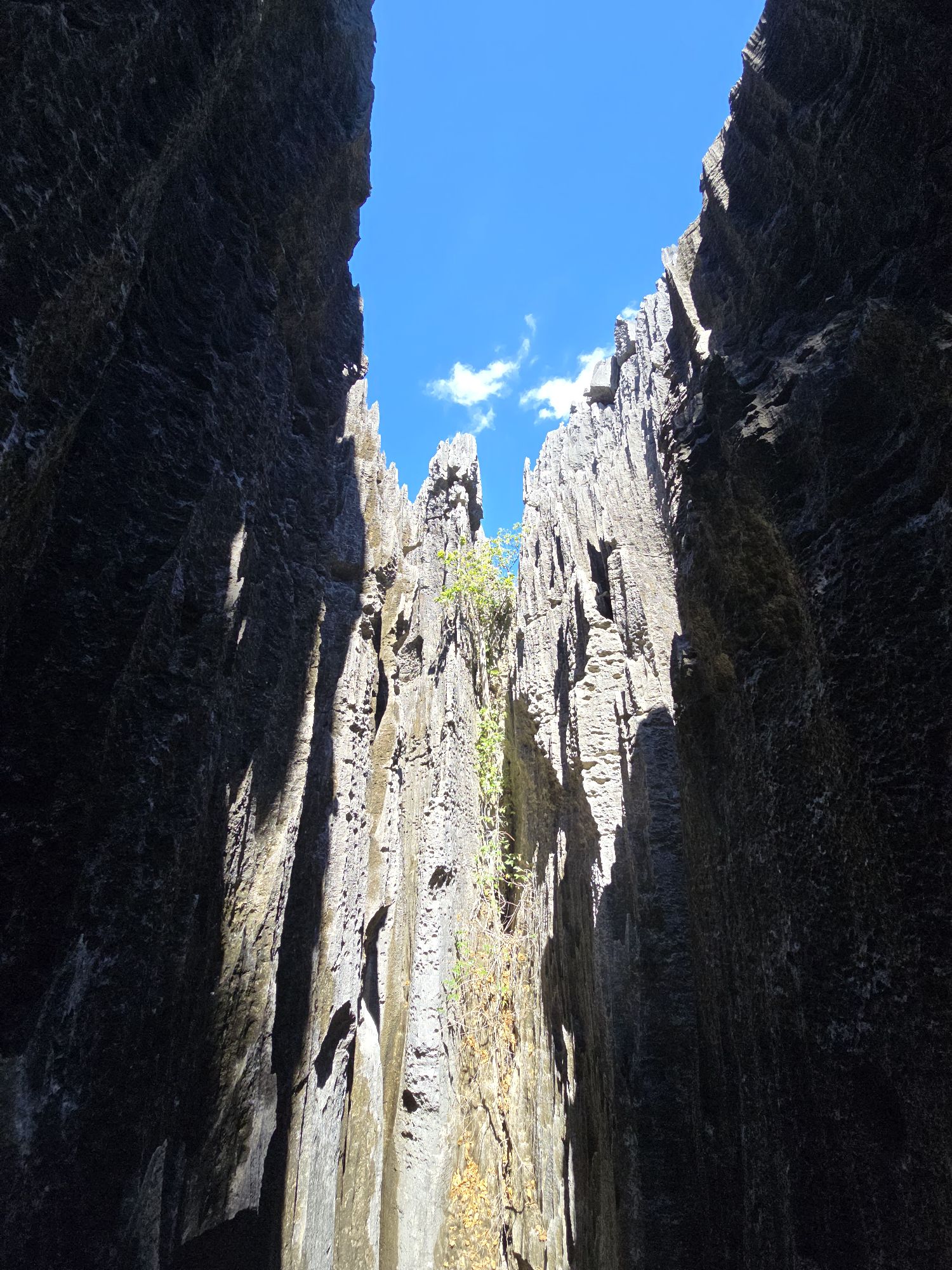
Travel differently: When I visit Madagascar, Mauritius, or the Comoros now, I build in “buffer days.” These days have no scheduled activities. There are no tourist must-sees and no productivity goals. Just being present in a place I love, letting it affect me instead of trying to accomplish it. Two weeks ago, we held a workshop with about sixty journalists at the International Labour Organisation in Morondava. After the workshop, we discussed AI in journalism assisting works. We also talked about the HIV and AIDS response. I then took three such days to visit the Tsingy de Bemaraha as part of team building and relaxation.
Saying no (finally): The hardest relaxation skill has been learning to decline invitations. It includes saying no to opportunities and obligations that don’t align with my energy. After decades of saying yes to everything in service of larger goals, I am now saying no simply for self-care. This feels revolutionary.

The Retirement Plot Twist
Here’s what nobody tells you about retirement: you don’t automatically know how to relax just because you’re not working. I could spent months feeling guilty about not being productive. I could feel restless without urgent problems to solve. I could be almost nostalgic for the adrenaline of crisis management.
But slowly, I will learning that retirement isn’t about stopping work – it’s about changing your relationship with time. Time will be no longer something I will manage, optimize, and allocate. I have learned to let time move at its own pace. I move with it.
Last week, I spent an entire afternoon watching clouds from my veranda in my Mahajanga holiday home. Not meditating, not reflecting on life lessons, just watching clouds because they were beautiful and I wanted to. For someone who spent thirty years scheduling fifteen-minute blocks, this felt like a minor miracle.
Dharmalingam was right about everything, it turns out. There is a difference between stopping and resting. Stopping is what you do when you can’t go anymore. Resting is what you do when you trust that you don’t need to go anywhere at all.
What Actually Works (And What’s Just Stress Management in Disguise)
After all these years of experimentation, here’s what I’ve learned about the difference between managing stress and actually relaxing:
Stress management keeps you functional. Relaxation lets you be useless (and that’s okay).
Stress management is active and intentional. Relaxation is passive and receptive.
Stress management prepares you for challenges. Relaxation trusts that not everything is a challenge.
Stress management is something you do. Relaxation is something you allow.
The practices that actually help me relax are embarrassingly simple: sitting without purpose, walking without destination, breathing without technique. The sophisticated stress-management tools I developed for diplomatic work are still valuable, but they’re not the same thing as peace.
The Invitation
As I sit here under Dharmalingam’s manga tree, I am preparing for whatever comes after a career in international service. I’m finally understanding what he was offering me all those years ago. Not just a technique for staying calm, but permission to be human in a world that rewards constant productivity.
If you’re reading this while juggling your own impossible schedule, you have high-pressure responsibilities to manage. Maybe the question isn’t “How do I manage this stress?” but “When do I get to stop managing altogether?”
The world will always need fixers, achievers, and problem-solvers. But maybe, just maybe, it also needs people who remember how to simply be present with what is. They do this without needing to improve it.
Dharmalingam would be proud. Not because I’ve mastered relaxation, but because I’ve finally stopped trying to master everything.
Sometimes the best thing you can do is absolutely nothing. And sometimes absolutely nothing is everything.
 L J Padayachy
Leave a comment