How losing track of time in Toamasina taught me everything about meaningful work

Four Hours in Toamasina
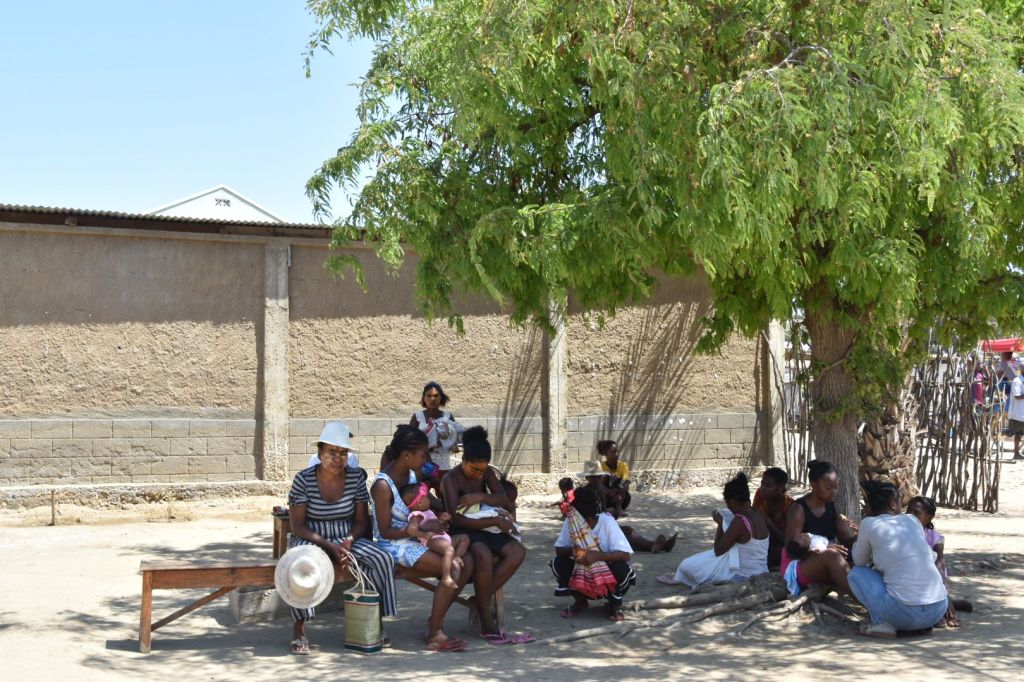
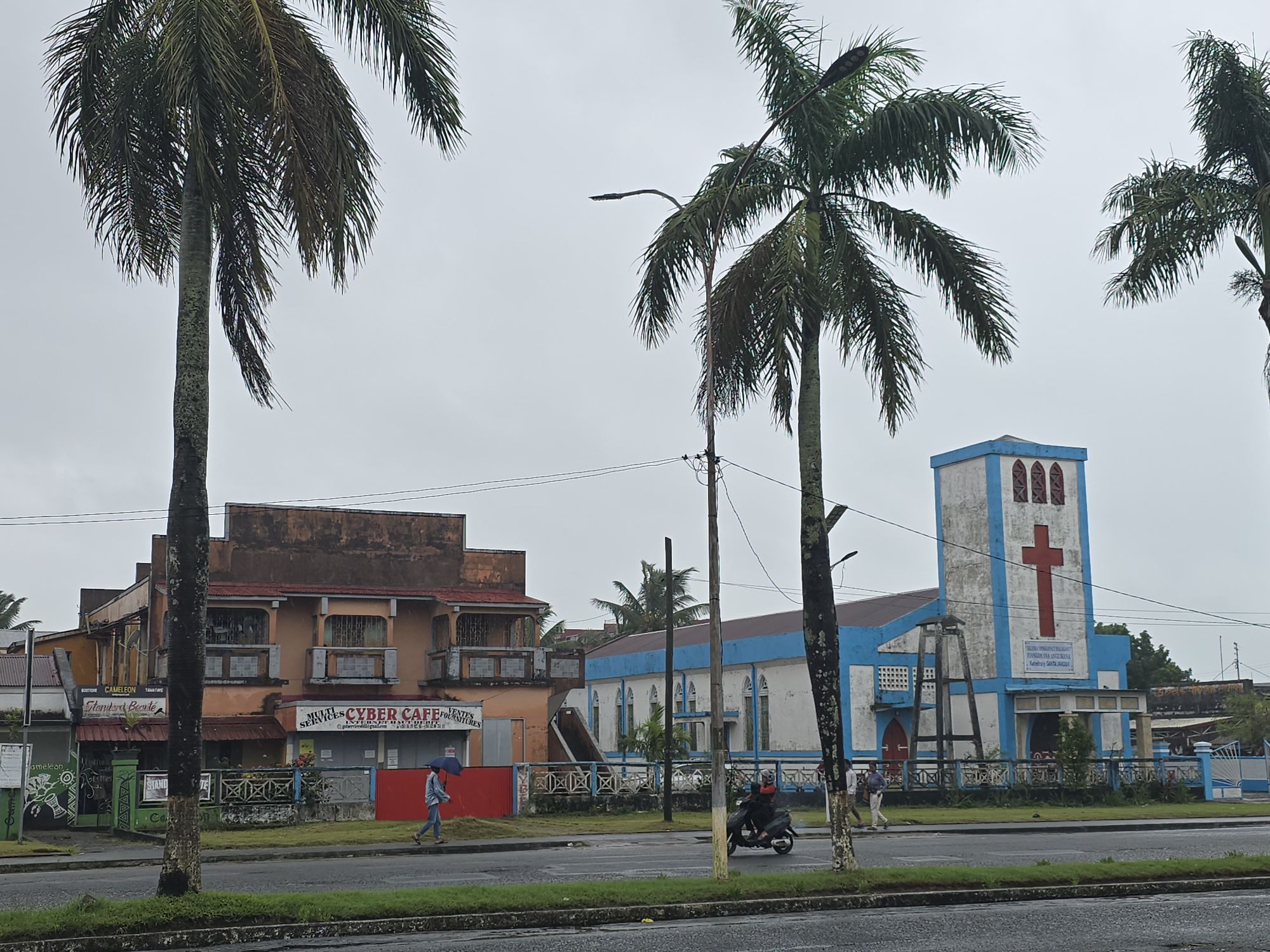
I was supposed to be reviewing quarterly reports. Instead, I sat cross-legged on a worn mat. I was in a community health centre in Toamasina. I was completely absorbed in conversation with Madame Thérèse.
Thirty-seven years. That’s how long she’d been delivering babies in Madagascar’s coastal communities. Her hands moved as she spoke. She demonstrated techniques passed down through generations. This knowledge includes breathing patterns during labour. It also covers the proper use of traditional herbs. These are positioning methods that most medical textbooks overlook.
My phone lit up. Jean-Claude: “Where are you? Meeting started an hour ago.”
7:15 PM.
We’d sat down at 3.
Four hours had vanished. I hadn’t noticed lunch, hadn’t checked my phone, hadn’t thought about the meeting once. Those four hours taught me more about effective healthcare delivery than six months of conferences ever did.
My Seychellois grandmother had a name for this: “soul time.” Moments so rich with meaning that ordinary time stops mattering.
Why Development Workers Need Flow States
The UN loves structure. Logical frameworks, quarterly reports, monitored indicators, evaluated outcomes. All necessary. All valuable.
But my best work happens when I forget the framework and pay attention to what’s actually happening.
During COVID-19, we supported vulnerable populations across the country including, Antananarivo, Toamasina, Foulepointe and Mahajanga. The goal was reducing infection rates—straightforward on paper.
The breakthrough came during a stakeholder meeting that was scheduled for ninety minutes. Dr Esther grabbed a marker and started drawing on the whiteboard. Not charts—actual sketches showing how infections spread through specific community pathways.
Others joined in. Community leaders shared cultural insights I’d never encountered in training. The logistics coordinator mapped supply chains that looked chaotic on paper but worked perfectly in reality.
Six hours disappeared. We created a programme that actually worked because it honoured both epidemiology and local wisdom.
What Kyokushin Karate Taught Me About Work
Flow states don’t arrive during comfort. They show up when you’re pushed hard but somehow find perfect balance.
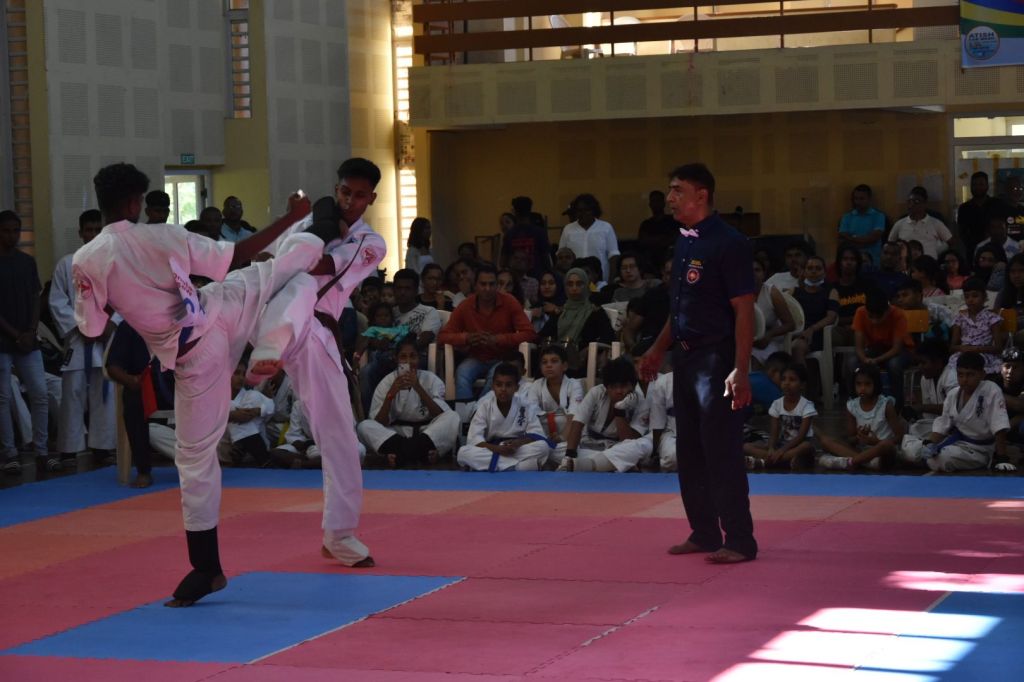
In the dojo during intense sparring, there are moments when everything synchronizes. You’re tired, you’re getting hit, but suddenly time slows. You see openings, predict movements, respond without conscious thought.
Development work in crisis situations feels identical. Working through the night on complex, urgent problems—not playing hero, just completely absorbed in solving something that matters.
Those twelve-hour stretches feel like meditation. Intense, focused, surprisingly effortless despite the difficulty.
Island Time as a Professional Tool
Growing up in Seychelles shapes how you understand time. It’s not just human invention—it’s tied to tides, seasons, fish migrations, bird movements.
My friend in marine conservation woke before dawn not from alarm clocks but from sensing when conditions were right. “The ocean doesn’t care about your appointment calendar,” he’d remind me.
This changed my approach to fieldwork. The most productive community visits happen when I abandon my schedule and follow what people need to share.
In Seychellois culture, presence trumps productivity. When you visit someone’s home, you don’t rush to business. You share tea, let conversation find its rhythm naturally.
Some Geneva colleagues find this maddening. For me, it’s become essential. During tense negotiations, creating space for unhurried dialogue builds trust and reveals solutions nobody anticipated.
Busy Work vs. Flow Work
Flow states feel unproductive while you’re in them. They generate the most lasting results.
I’ve learned to recognize what creates flow: diverse perspectives, meaningful challenges, clear purpose, and—critically—freedom to explore unexpected directions.
Busy work fills time but drains energy. Flow work consumes time but leaves me energized, reminded why I chose international development.
Building Buffer Time Into UN Systems
The challenge is making room for timeless moments within systems designed for predictability.
I now build buffer time into schedules. I approach field visits with curiosity rather than predetermined outcomes. I notice when rigid adherence to plans prevents more important work from emerging.
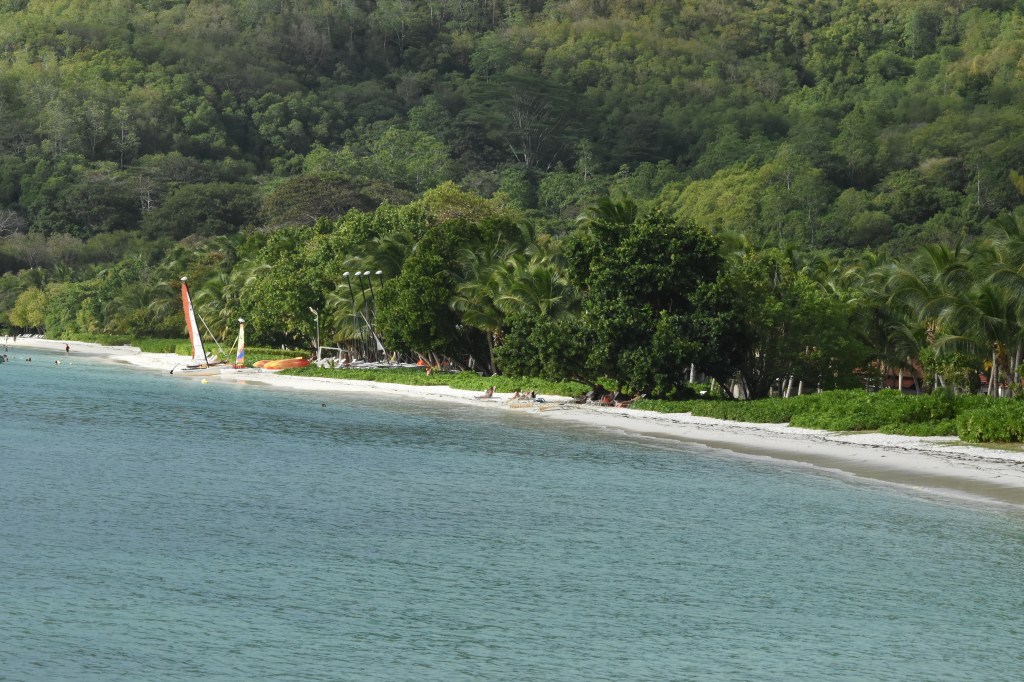
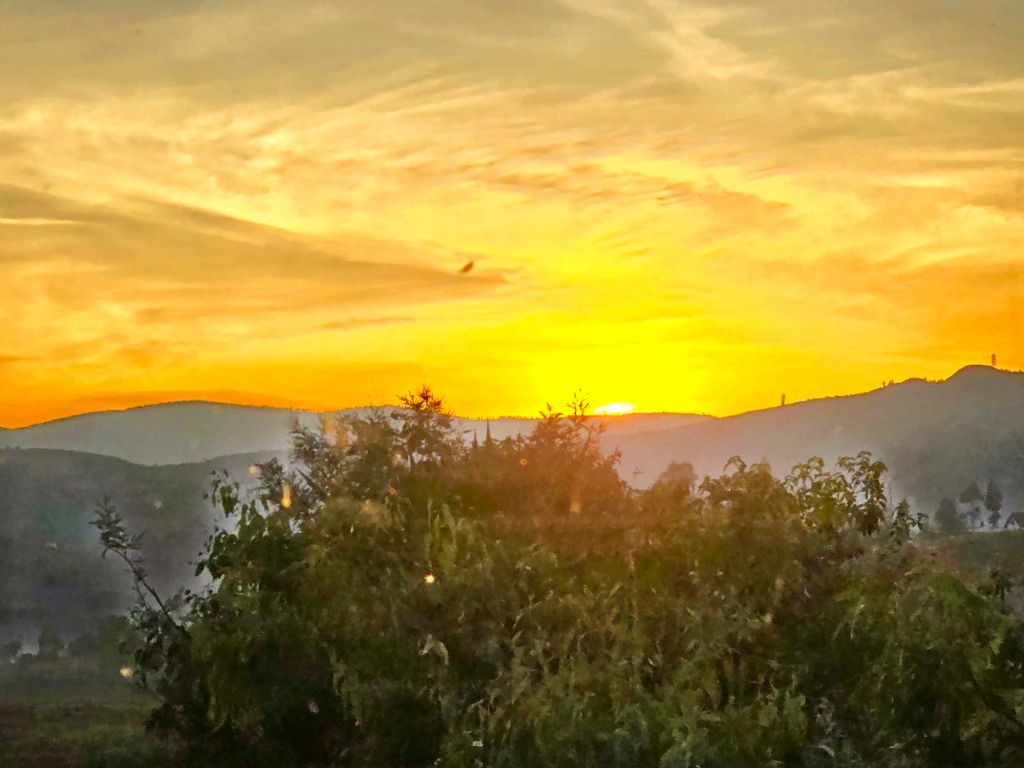
Recently at Beau Vallon beach, watching sunset over the Indian Ocean, I realized something. The most meaningful moments in my career—and my life—share one quality. They happen when I stop controlling time and start trusting whatever process I’m engaged in.
The best development work, like the best karate techniques, emerges from relaxed attention. Fully present, completely engaged, paradoxically unaware of time because you’re deeply connected to human service.
Maybe that’s what my grandmother meant. Soul time is when we align so closely with purpose that chronological time loses significance. When we’re doing what we’re meant to do, creating ripples extending far beyond our schedules. The skill is learning to recognize these moments—and protect them.
 L J Padayachy
Leave a comment