The Moment I Almost Didn’t Click “Book Now”
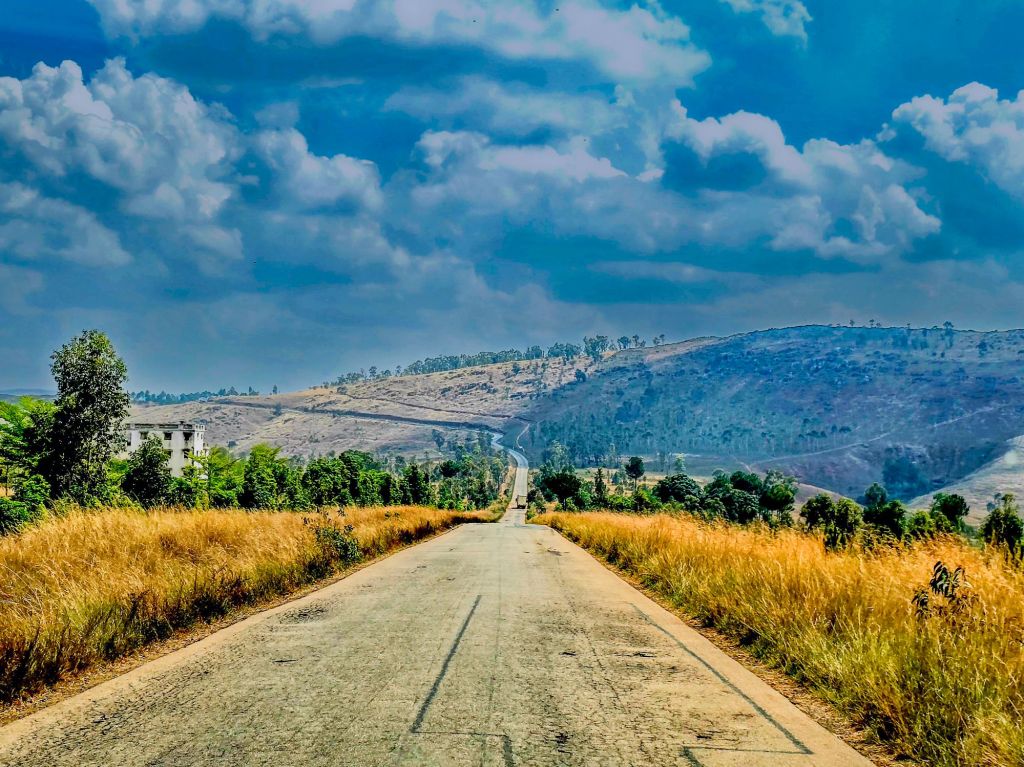
My cursor hovered over the button for a solid five minutes. The total at the bottom of the screen kept staring back at me, unblinking: three months in Madagascar, comprehensive itinerary from Antsirabe to Toliara, internal flights, guides, accommodations – the number was eye-watering.
I’d just wrapped up another intense UN mission, my retirement was on the horizon, and here I was about to spend more money on a single trip than most people spend on a decent used car. My practical diplomat brain screamed “irresponsible!” My grandfather Dharmalingam’s voice whispered something different: “Son, some things you can’t put a price on.”
I clicked purchase.
That Madagascar journey became the most expensive non-house, non-car purchase I’ve ever made. And honestly? It’s the only thing I’ve bought that I’d call truly priceless.
Why I Bought It: The Convergence of Everything
I had been working for the UN for two decades. Madagascar had always been the place I passed through for missions. It was never the place I stayed for myself. I had organised development programs for hotel conference rooms. I facilitated workshops in Antananarivo. But I had never been to Madagascar—it was not the actual island. I had never experienced Madagascar outside of formal meetings and diplomatic procedures.
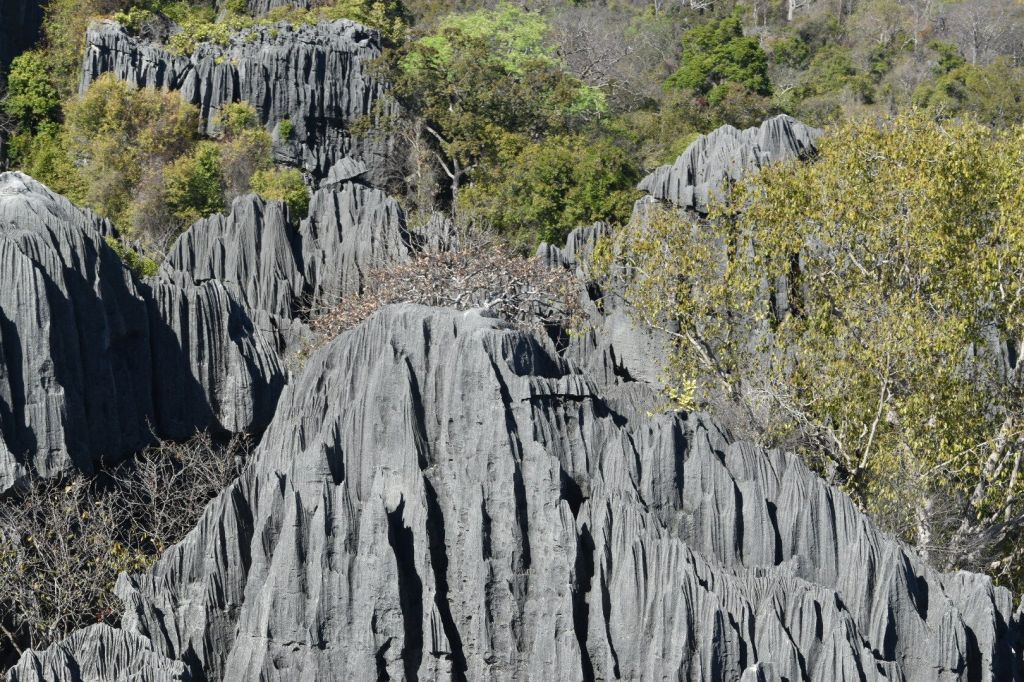
Retirement was months away. I was facing a truth I’d been avoiding. I’d spent my entire career helping achieve Sustainable Development Goals for others. All the while, I was rushing past the very cultures and landscapes that made those goals meaningful. I knew the conference rooms of Madagascar better than I knew its extraordinary biodiversity. I have navigated political tensions, but I had never walked through the stone forests of Tsingy de Bemaraha.
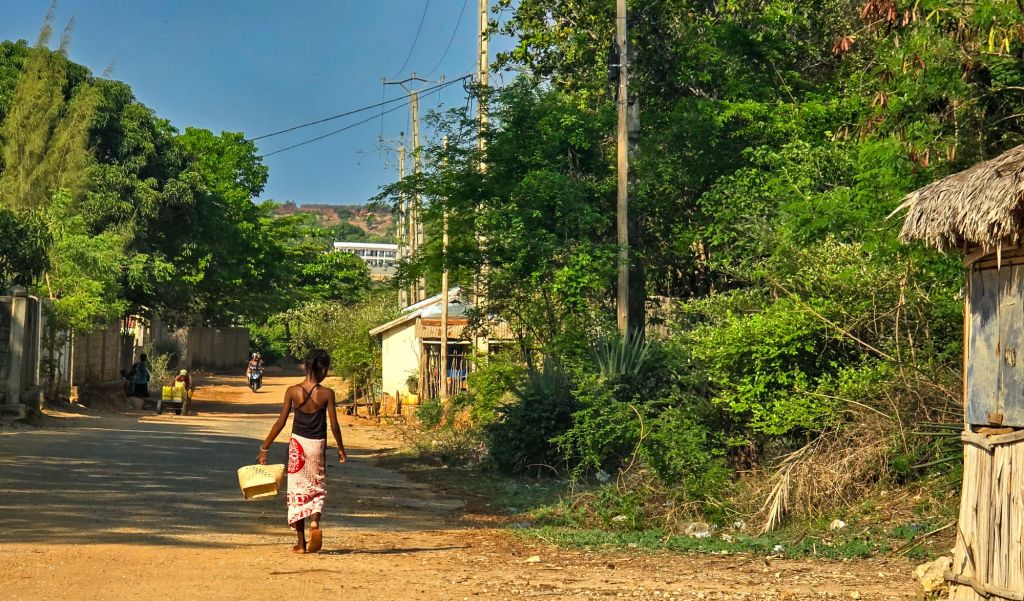
The trip wasn’t just expensive – it was comprehensive. Three months to truly understand this place I’d claimed to know. Antsirabe’s thermal springs, Toamasina’s colonial architecture, and the otherworldly limestone formations at Tsingy. The iconic Baobab Alley at sunset and Sainte Marie’s pirate history. Sainte Gabriel’s remote beaches and Toliara’s coral reefs. Every destination I’d heard colleagues mention but never had time to visit myself.
The justification was simple: if I didn’t do this now, with this level of depth and time, I never would. Retirement might bring freedom. However, it wouldn’t bring back these years of accumulated knowledge. It wouldn’t restore connections and physical ability to traverse challenging terrain.
The Reality Check: When Expensive Becomes Invaluable
The first week nearly broke me. Not financially – that damage was already done – but physically and emotionally. I’d gotten so used to diplomatic comfort – organized transport, curated experiences, controlled environments – that surrendering to Madagascar’s raw reality felt overwhelming.
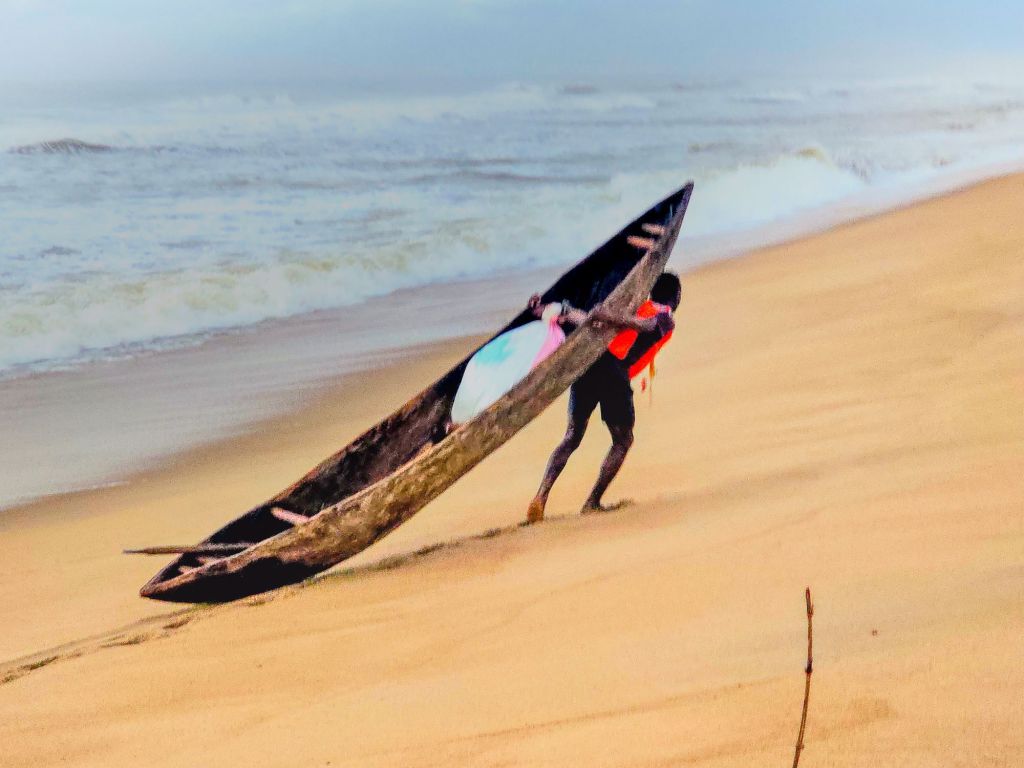
In Antsirabe, my carefully planned itinerary fell apart when local guides suggested we follow the craftsmen’s rhythms instead of tourist schedules. In Toamasina, a chance conversation with a fisherman led to a sunrise boat trip that wasn’t in any guidebook. By the time I reached Tsingy de Bemaraha, I’d stopped checking my schedule entirely and started following the island’s rhythm instead of imposing my own.
The real Madagascar—the one the locals experience—doesn’t run on diplomatic time.
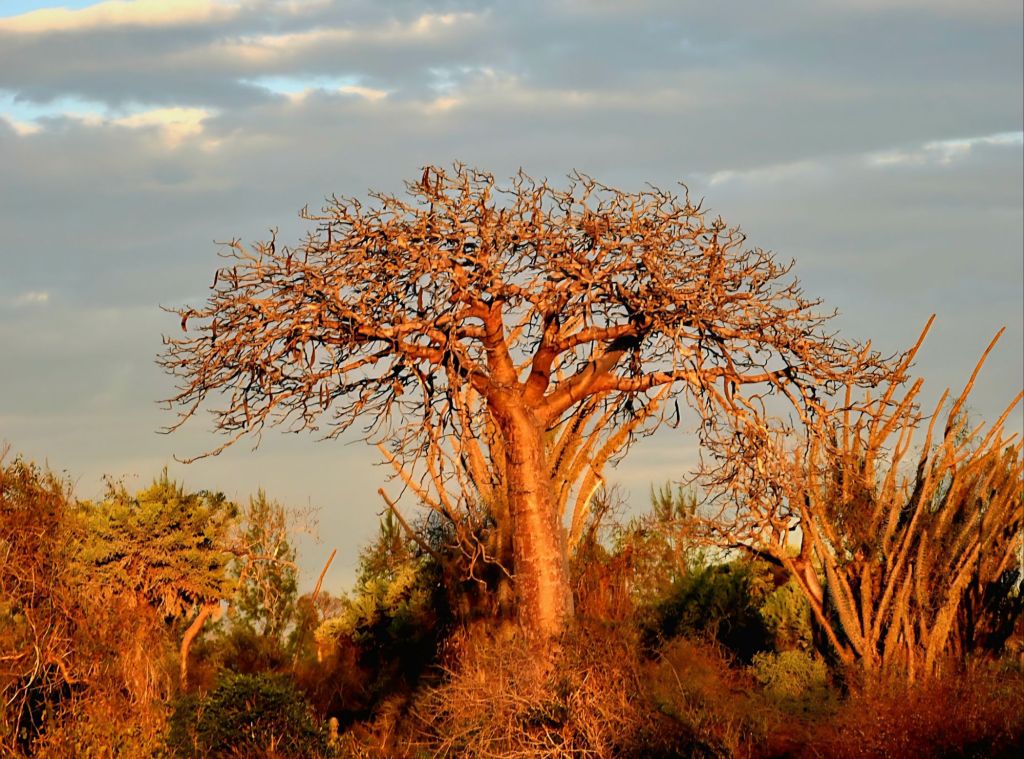
Standing in Baobab Alley at sunset during my sixth week, watching those ancient giants glow orange-red against the darkening sky, I finally understood what I’d actually purchased. Not a trip. Not an experience. Not even memories, though those came too. I’d bought myself permission to stop performing competence and start experiencing wonder.
On Sainte Marie, I spent an entire week doing absolutely nothing productive. No emails, no strategic planning for retirement, no optimizing my days. I practiced yoga on empty beaches and meditated under coconut palms. I let the Indian Ocean teach me what my grandfather had tried to explain decades ago. Sometimes the most valuable thing you can do is nothing at all.
By the time I reached Toliara and its incredible coral reefs, the question wasn’t whether the trip was worth the cost. The real question was why I’d waited so long. Why hadn’t I invested in something that fed my soul instead of just my career?

What It Taught Me: The Economics of Being Human
Here’s what spending that much money on “just a trip” taught me about value:
First, wealth isn’t what you accumulate – it’s what you’re willing to spend on becoming fully alive. I’d saved diligently for decades, living modestly while working in expensive cities, always planning for some future security. But security from what? From the risk of experiencing life deeply?
Second, the most expensive purchases often become priceless because of what you learn, not what you get. Madagascar didn’t give me souvenirs or bragging rights. It gave me a completely different relationship with time, with nature, with my own capacity for presence. I learned that I could still be curious after thirty years of expertise. I discovered that letting go of control doesn’t mean losing competence – sometimes it means finding wisdom.
Third, timing matters more than cost. Could I have done a cheaper version of this trip? Absolutely. Two weeks instead of three months, budget accommodations instead of thoughtful selections, surface experiences instead of deep immersion. But the value wasn’t in seeing Madagascar – it was in having enough time to let Madagascar change me. And that required investment.
Would I do it again? In a heartbeat. In fact, I’m planning to return next year, maybe spending even longer in places that called to me most deeply.
The irony isn’t lost on me: I spent a career promoting sustainable development, and it took an “extravagant” personal journey to understand what sustainability actually feels like. It’s not about deprivation or minimalism. It’s about investing deeply in what makes you more human, more connected, more alive.
The Question I’m Asking You
So here’s what I want to know: what’s your most expensive purchase? Did it change you, or did it just change your bank balance?
I’m not talking about regrettable impulse buys or status symbols you felt obligated to own. I’m talking about that one thing you spent serious money on. Maybe it’s an experience, an object, or an opportunity. It shifted something fundamental in how you see yourself or the world.
Was it worth it? Would you do it again? And if you haven’t made that purchase yet, what’s stopping you?
Because here’s what Madagascar taught me: the most expensive mistakes aren’t the things we spend too much on. They’re the experiences we never allow ourselves to have because we’re too busy calculating whether we can afford them.
Sometimes the best investment isn’t in your portfolio. It’s about becoming the person who knows what it feels like to stand among ancient baobabs at sunset. You finally understand that you are exactly where you’re meant to be.
 L J Padayachy
Leave a comment