


Introduction
Many years ago, my mornings were a blur of snoozed alarms. Rushed coffee and the frantic energy of someone perpetually running late. I’d arrive at work often depleted. I wondered why I couldn’t match the focus and clarity I experienced during my evening Kyokushin karate training. The disconnect between my disciplined approach to martial arts and my haphazard start to each day. The disconnect became too obvious to ignore.
Nowadays my first hour of my day looks radically different. The transformation didn’t just happen overnight. It is an evolving process that occurs through time using the same principles that guide my Kyokushin karate training. It required consistent practice, embracing discomfort, and the understanding that small actions compound into powerful results.

From Chaos to Ritual: My Morning Sequence
My alarm is set at 5:00 AM. No snooze button—a habit broken through what Kyokushin practitioners call “osu”: the determination to push through resistance-to persevere. I start with three minutes of controlled breathing before my feet touch the floor. This isn’t elaborate meditation, just conscious breathing that bridges sleep and wakefulness.
By 5:10 , I’m on my meditation cushion for 12 minutes. Unlike traditional Zen approaches that suggest 45 minutes of sitting, I prefer a shorter one. Consistent practice serves me better than longer sessions I often skip. I focus primarily on breath and body awareness. This modification makes meditation more sustainable and less frustrating. rather than trying to empty my mind—a modification that made meditation sustainable rather than frustrating.
At 5:25, I move to a cleared space for karate practice. I start with a brief warm up. Rather than full kata, I focus on what we call “kihon”—fundamental or basic techniques performed with full attention. My sequence includes 50 front kicks (mae geri) on each leg, followed by 50 basic punches (seiken). The emphasis isn’t on quantity but on quality and mindful execution. Each movement performed with total attention to form and energy flow.
By 5:50, I transition to a brief yoga sequence that specifically counterbalances karate’s intensity. My morning practice focuses on mobility in areas that karate tends to tighten. These include hip flexors, shoulders, and the thoracic spine. Unlike studio yoga classes that emphasize long poses or complex sequences, the purpose of my yoga isn’t just relaxation. It is also the functional preparation for the day’s physical demands.
The final thirty minutes involve targeted strength work. My current focus is on core and posterior chain exercises. These would support better posture during long meetings. I usually finish with a two-minute shower—the most direct application of “osu” in my entire morning routine.

Kyokushin Principles in Morning Practice
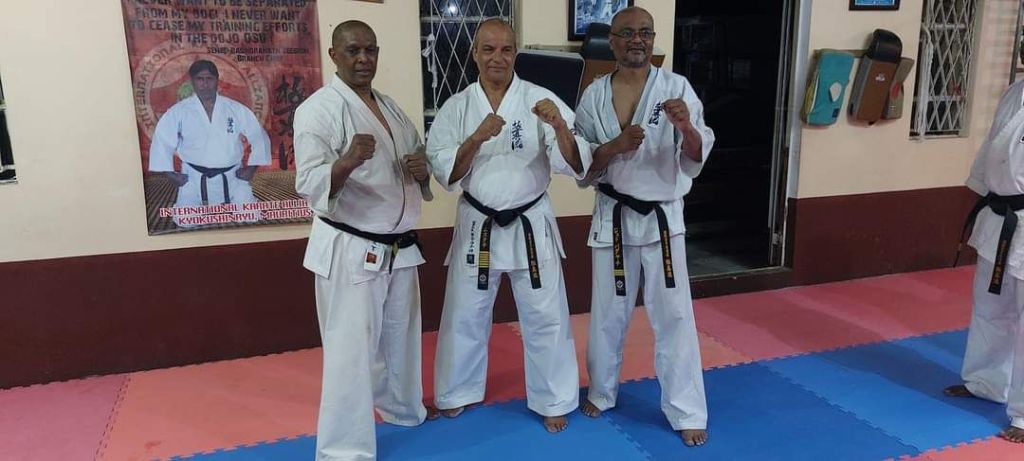
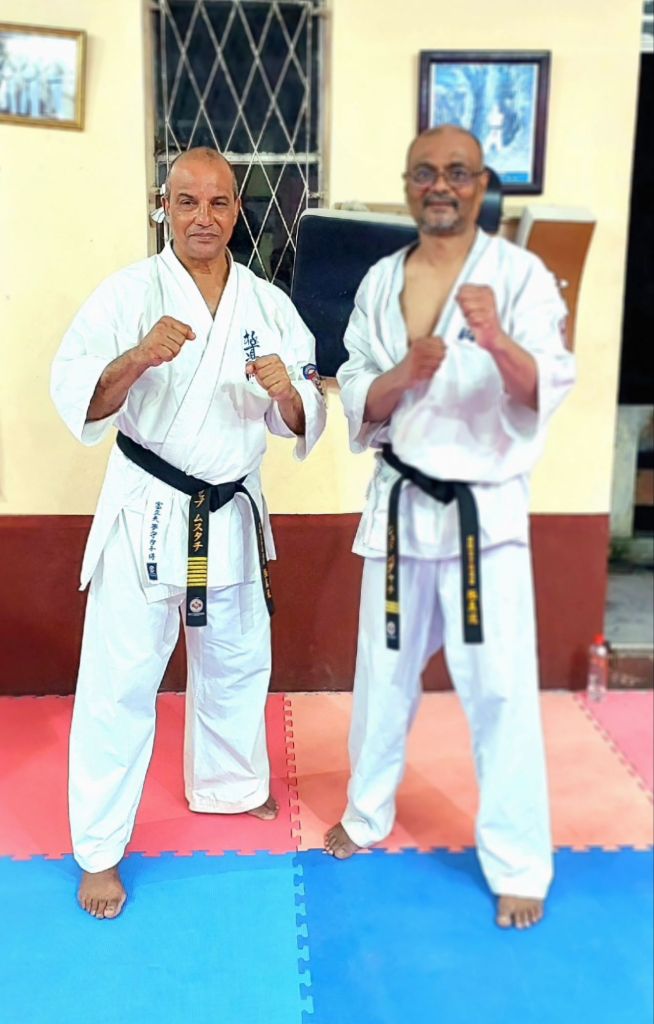
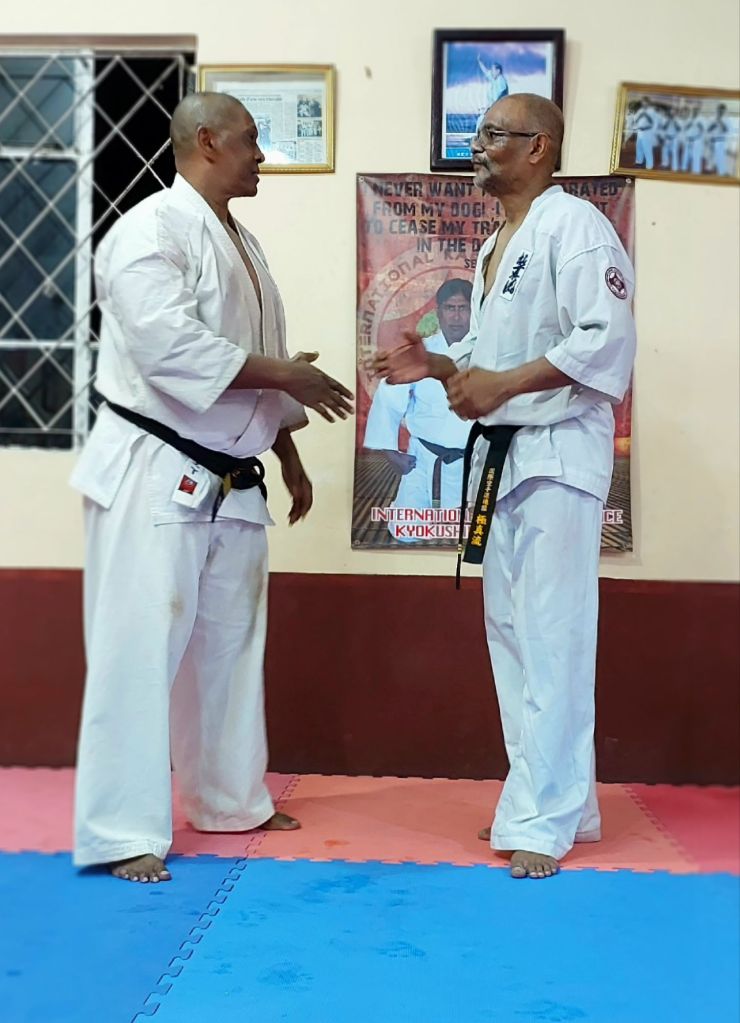
Kyokushin karate isn’t just about physical techniques. Kyokushin is a philosophy centered on continuous improvement through challenging oneself. The dojo motto—”Keep going when you want to stop”—has transformed my approach to mornings.
The principle of “ikken hissatsu” (one strike, certain kill) isn’t about violence. It emphasizes total commitment. It is about being mindful in each action. When applied to my morning rituals, it means bringing full presence to each element. This is better than going mechanically through the process. A single mindful breath receives the same respect as a perfect reverse punch.
Most importantly, Kyokushin taught me that discomfort is not something to avoid. It is something to confront and move through mindfully. Those early moments leaving a warm bed mirror the challenge of holding a deep stance in the dojo. Both need the same mental response. First be acknowledging the resistance, then continue anyway.
Professional Impact: Beyond Feeling Good
The benefits of my morning ritual extend beyond subjective well-being. I lead a team and programs at a professional level. As a professional leading teams and programs. I’ve tracked measurable improvements:
- Meeting facilitation: My ability to keep focused presence during three-hour strategy sessions has improved dramatically. I no longer experience the mid-meeting attention drops that earlier required excess caffeine to overcome.
- Decision clarity: I’ve documented about a 40% reduction in decision reversals. This is compared to my pre-ritual days; It suggests more confident first judgments.
- Stress resilience: Using heart rate variability measurements, I’ve observed a 27% improvement in my physiological response to workplace challenges. Put simply, I recover from stressful encounters more quickly.
- Energy management: I no longer experience the 3 PM energy crash. These crashes seemed at one time inevitable, regardless of sleep or nutrition adjustments.
Last month, these benefits proved crucial. They helped me prepare and lead my work team through discussions due to an unexpected reorganization to budget constraints. I keep composure while I acknowledge difficulty. The ability to keep composure while acknowledging difficulty is directly related to karate’s approach to tough training. It allowed me to give stability during uncertainty.

Overcoming Common Obstacles
Young professionals often tell me they can’t build morning rituals because they’re “not morning people” or lack time. I understand both obstacles intimately.
I wasn’t naturally inclined toward early morning rituals. The shift required two approaches. First, I made a gradual adjustment of wake times, waking up just 15 minutes earlier each week. Second, I applied the Kyokushin concept of “shoshin” (beginner’s mind) to approach each morning with curiosity rather than judgment.
As for time constraints, I discovered that effectiveness doesn’t require lengthy sessions. My entire sequence takes 45 minutes, but I began with just 15. The quality of attention matters more than duration. A single minute of genuine presence creates more benefit than thirty minutes of distracted movement.
The biggest obstacle remains consistency. Here, another karate principle helps: “keiko” (practice). In the dojo, we understand that sporadic intense training produces fewer results than regular practice. I’ve focused on aiming for 80% consistency. This approach allows for occasional mornings when travel on work missions or illness requires adaptation.
Starting Small: Entry Points for Busy Professionals
Establishing a comprehensive morning ritual can seem overwhelming at first. One should consider starting with the following simple and practical entry points:
1. “The 3-Breath Reset”: Before reaching for your phone each morning, take three conscious breaths. This micro-practice activates the parasympathetic nervous system. It also establishes intention before reacting to external demands. The technique mirrors how we center ourselves before kata in the “moksu” state. It requires no extra time in your schedule.
2. “Movement Snacking”: If a formal workout feels impossible, try “movement snacks.” These are 60-second interventions that wake up the body. A simple sequence of ten squats, ten push-ups, and ten deep breaths (ibuki) requires no equipment. It requires minimal space. Yet, it signals to our body that the day has intentionally begun.
Both practices create what Kyokushin and karate calls “kime”. Kime is the focus of power and intention that expand as your commitment grows.
Imperfect Practice Over Perfect Plans
What transforms a morning routine from aspiration to reality isn’t merely willpower but perseverance. The Kyokushin teaches that we develop through consistent practice, not perfect performance. In some mornings not focused. My meditation feels scattered, my kicks lack power, or external demands necessitate abbreviating my sequence.
This isn’t failure but part of the practice itself.
The most important question isn’t “Did I finish my perfect routine today?” but “Did I show up with intention?” This subtle shift embodies the karate concept of “zanshin”. Zanshin is the continued awareness and presence beyond the technique itself.
Morning rituals, like martial arts mastery, aren’t destinations but ongoing processes. It requires practice. It implies the discipline to start again each day. This discipline is important regardless of yesterday’s performance. It ultimately builds not just better mornings but a more centered, effective approach to everything that follows.
Osu!

 L J Padayachy
Leave a reply to swamigalkodi Cancel reply