
Let me tell you something. I wasn’t always this energetic. Back in 2018, after a particularly grueling quarter at work, I found myself constantly drained. My body felt heavy, my mind cloudy. That’s when I returned to the wisdom of my upbringing on a tropical island. There, fruits weren’t supplements to the diet. They were the centerpiece.
Growing up surrounded by fruit-bearing trees shaped my understanding of nutrition in ways I only fully appreciated later in life. On our island, we didn’t “add fruits” to our diet—they were our diet. The constant abundance of fresh produce wasn’t a luxury; it was simply how we lived. This early imprinting stayed with me even as my career pulled me into metropolitan centers across three continents.
Look around your office. Notice how many colleagues reach for that third cup of coffee by 2 PM? I used to be one of them. These days, my fuel comes from nature’s own energy packets. Fruits are now a non-negotiable part of my daily ritual. They are as essential to my morning as brushing my teeth. This practice reconnects me to my tropical roots.
The transformation wasn’t immediate, but it was unmistakable. Six months into prioritizing fruits and grains, my productivity metrics had jumped 30%. Coincidence? Perhaps. But my body certainly didn’t think so.
Today I’m sharing my top five fruits that have become staples in my kitchen. These aren’t just personal favorites. They are nutritional powerhouses. They remind me of home while sustaining my professional life in the urban jungle.
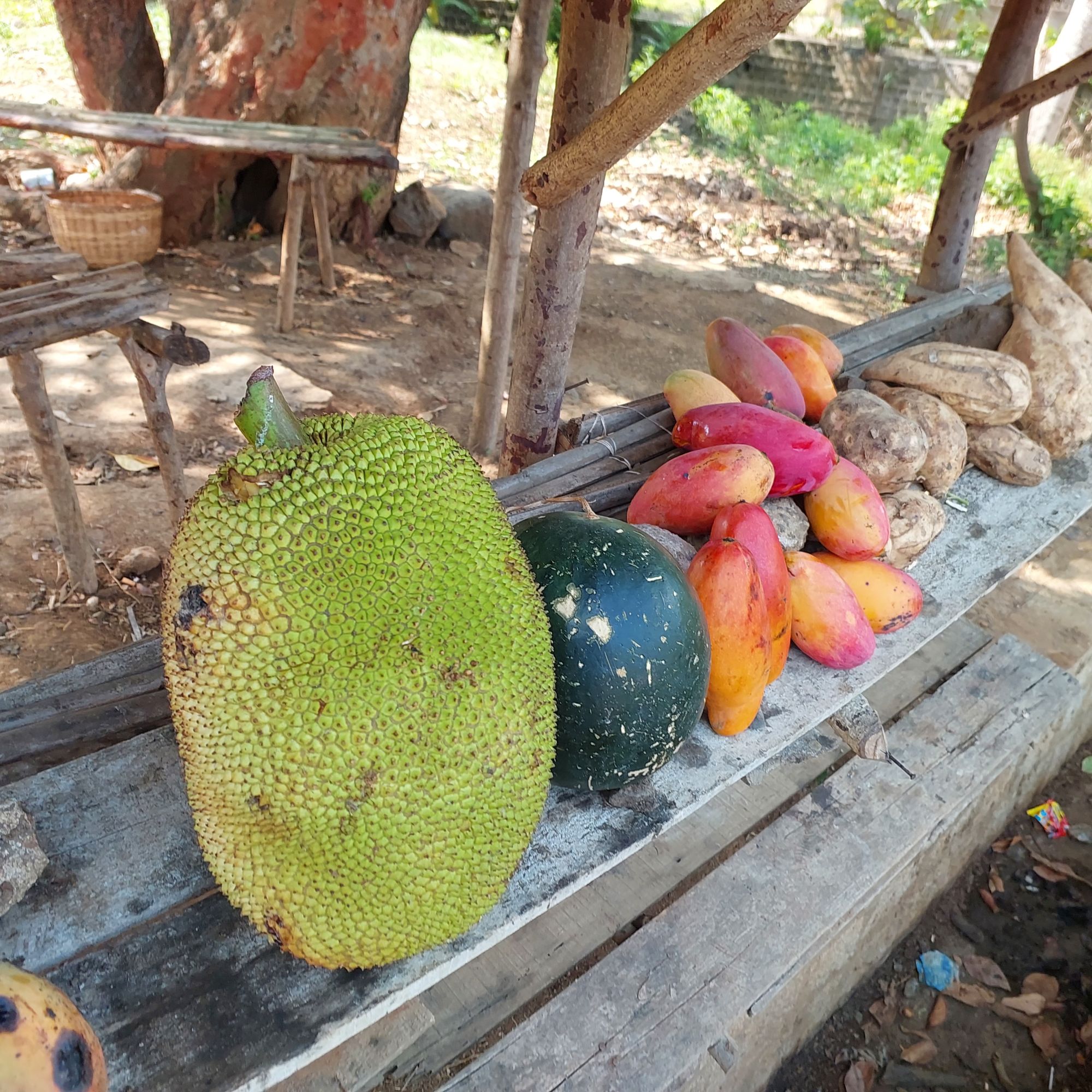
1. Jackfruit: The Versatile Giant
Have you ever seen a jackfruit? My colleagues discovered this marvel in trendy food blogs. Unlike them, I grew up with these giants hanging from trees near our island home. The first time I brought colleagues to visit my family, they were frankly intimidated by these massive, spiky fruits. “They look otherworldly,” one friend remarked, keeping a safe distance.
I laughed. “Wait until you taste what’s inside.”
Beneath that formidable exterior lies culinary gold that transported me back to childhood with each bite. When young, jackfruit can absorb flavors remarkably well. It maintains a meaty texture that satisfies in a way few plants can. My grandmother would slow-cook it with local spices, creating dishes that could convert even the most dedicated carnivores. Now, halfway across the world, I recreate these recipes during weekend gatherings. I cook for friends with various dietary preferences.
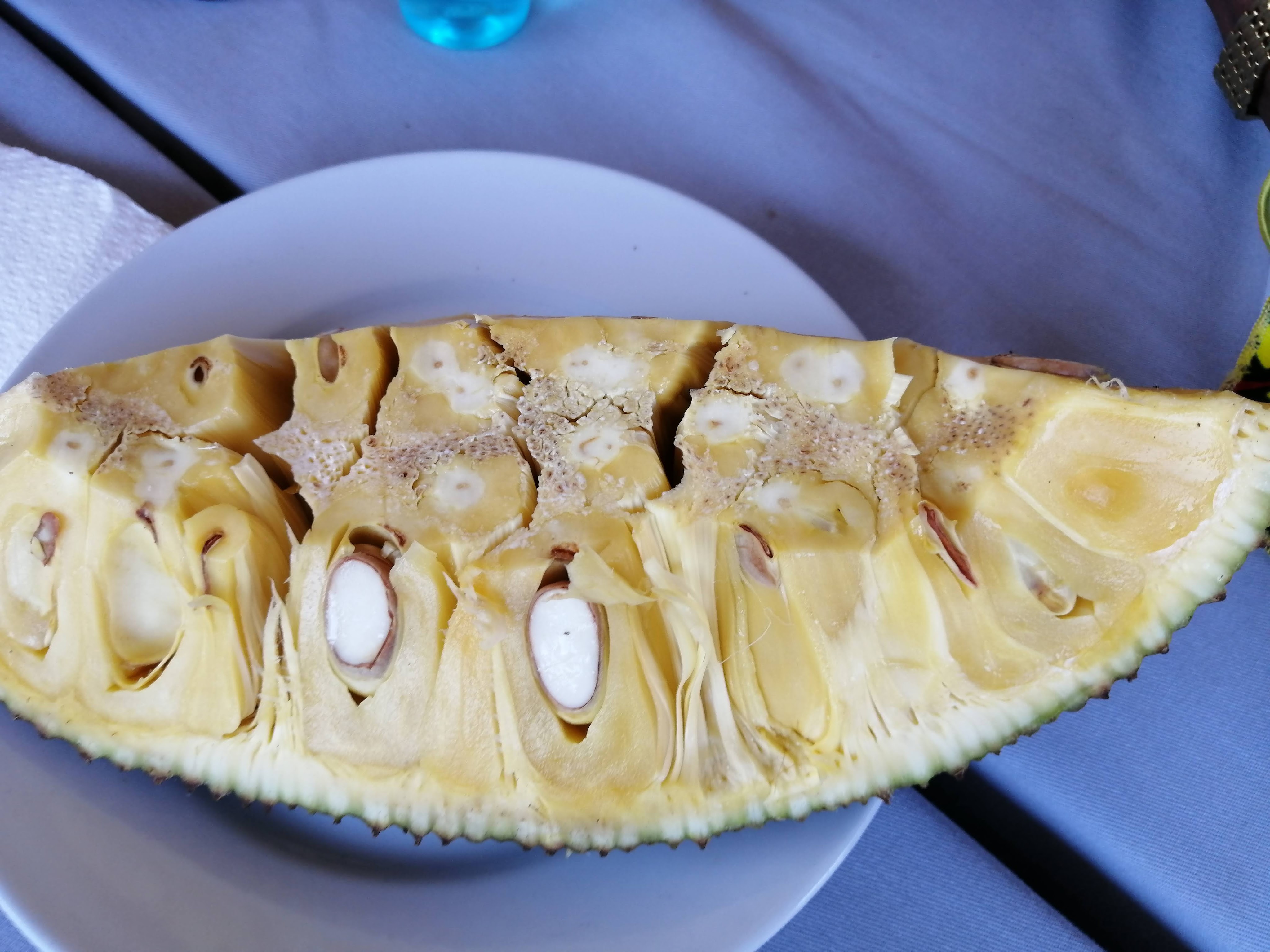
Ripe jackfruit presents a distinct narrative. It is sweet, fragrant, and intensely tropical, offering a taste of home that no imported delicacy can match.
But here’s why it truly earns top billing: jackfruit delivers substantial protein alongside its vitamin load. After particularly demanding workouts, this combination helps muscle recovery without the heaviness of animal protein. During crunch projects, lunch breaks shrink to minutes. A container of jackfruit chunks keeps me going through marathon strategy sessions. This prevents the 3 PM crash that plagues my colleagues.
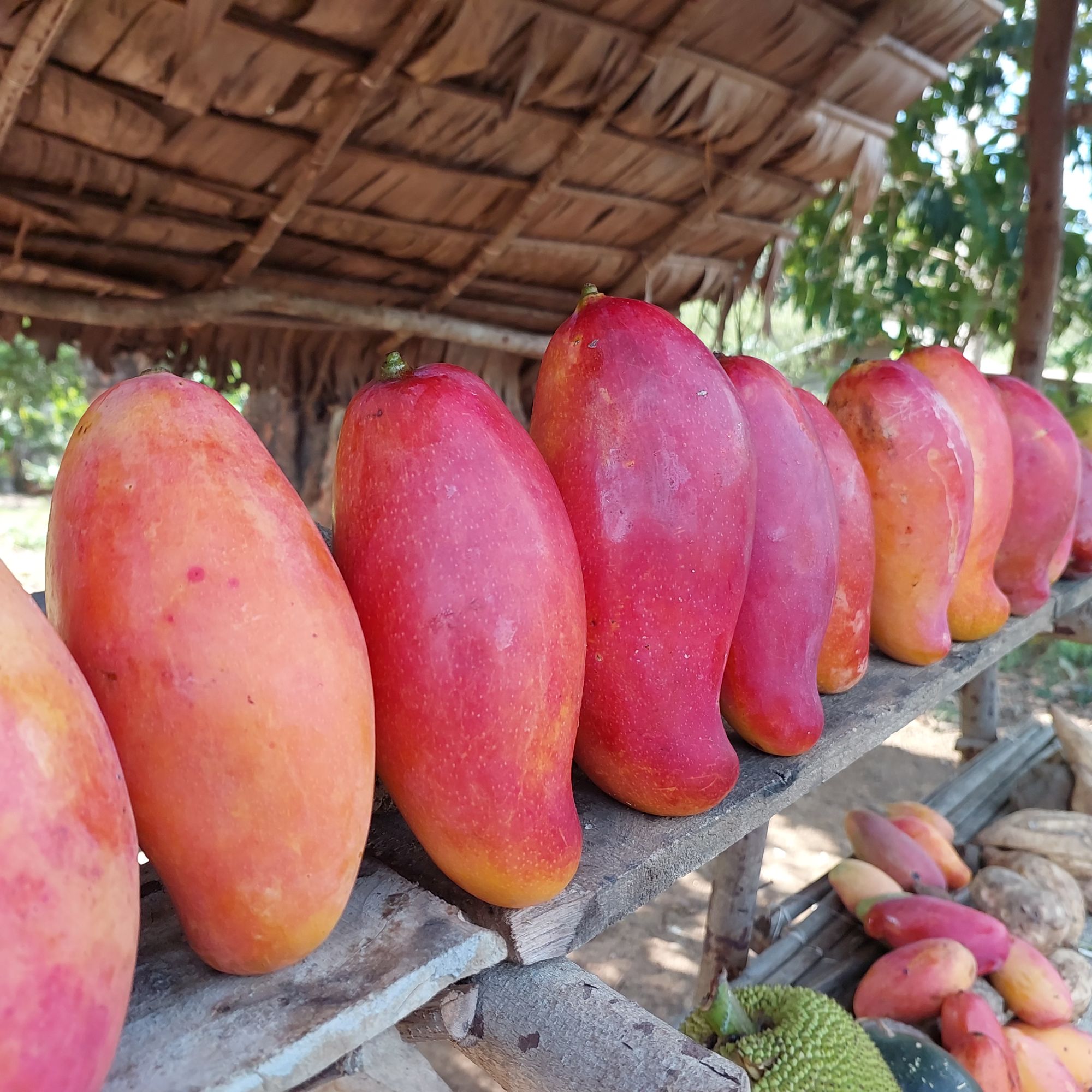
2. Mangoes: The King of Fruits
Mangoes aren’t just fruits in our island culture—they’re institutions. Our home had three mango trees, each producing slightly different varieties. During peak season, we’d have more mangoes than we knew what to do with. Neighbors traded varieties, comparing sweetness and texture with the seriousness of wine connoisseurs.
My earliest memories involve climbing those trees. I did this against my mother’s explicit instructions. I wanted to get the perfectly ripe ones before the birds could claim them. The slight give of a ripe mango against your palm is unforgettable. That distinctive sweet aroma is embedded in my being.
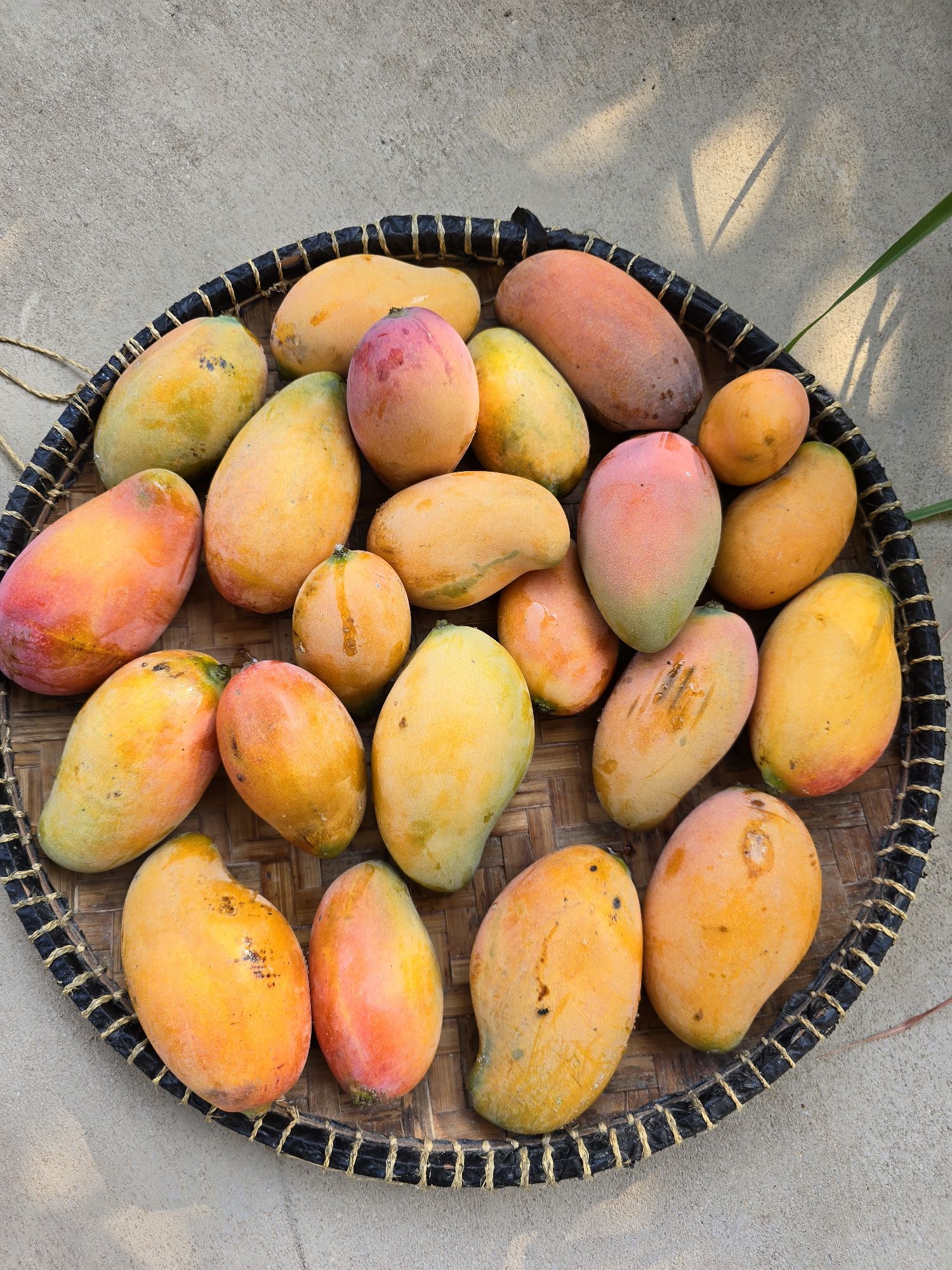
Now, decades later and half a world away from those island mango trees, I still maintain this belief. Nothing quite compares to a perfectly ripened mango. My colleagues often joke about my “mango medicine” when everyone else is calling in sick during cold and flu season. But there’s truth to it—beyond their intoxicating sweetness, mangoes deliver an impressive nutritional punch. A single fruit provides over two-thirds of your daily vitamin C needs. During Delhi’s pollution season or London’s winter months, this immune support becomes particularly valuable.
The enzymes in mangoes make digestion smoother. After years of battling post-lunch sluggishness that killed my afternoon productivity, incorporating mangoes regularly has been transformative. I’ve tracked this improvement meticulously in my performance journal, and the correlation is undeniable. It’s as if my body recognizes this fruit from home and knows exactly what to do with it.

3. Bananas: Nature’s Perfect Portable Nutrition
Ten years into my consulting career, airport lounges had become my second home. Living out of suitcases between capitals was challenging. Convenience often overshadowed nutrition. Then a fellow road warrior shared her deceptively simple strategy: bananas.
“They pass through security. They come in their own biodegradable packaging. And they don’t crush in your laptop bag,” she explained, pulling one from her carry-on.
Since that conversation, I haven’t boarded a flight without one. Bananas have saved me from overpriced, nutritionally bankrupt airport food more times than I can count.
The humble banana delivers a significant nutritional impact impact. The potassium content helps counteract the sodium-heavy restaurant meals that dominate business travel. That same potassium regulates fluid balance, particularly helpful during long flights when swelling becomes an issue.
Most valuably for high-pressure work environments, bananas contain tryptophan that converts to serotonin – nature’s own mood stabilizer. Before critical presentations or tense negotiations, the subtle calming effect of bananas makes a significant difference. The effect is It’s not sufficient to lessen your sensitivity.en your sensitivity. It is just enough to prevent anxiety from hijacking your executive function.
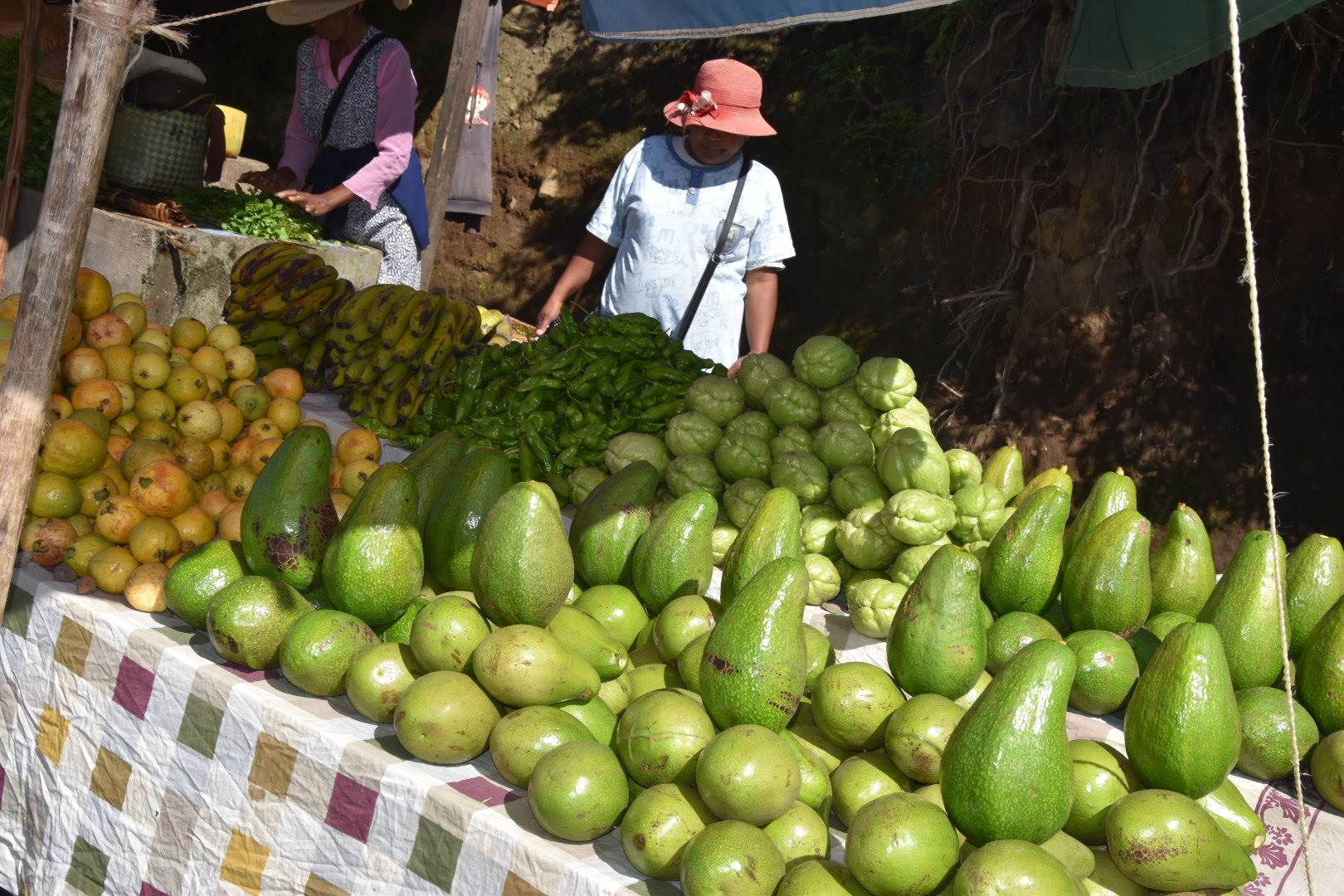
4. Avocado: The Nutrient-Dense Superfruit
Let’s clear something up. Despite what you might have heard from that one smug colleague, avocados are technically berries. Massive, single-seeded berries. And they’re nutritional gold mines.
II joined the avocado appreciation society late. Growing up on a Indian Ocean tropical island in the 70s, avocados were exotic curiosities rather than dietary staples. My first proper avocado experience came during a project in California. A local team member brought homemade guacamole to a strategy session. I was politely confused by the green mush. Everyone was raving about it.
One taste changed everything.
What makes avocados remarkable isn’t just their buttery texture or subtle flavor – it’s their nutrient composition. Unlike most fruits that primarily provide carbohydrates, avocados deliver heart-healthy monounsaturated fats. These fats aren’t just “not bad” for you; they’re actively beneficial. They help your body absorb fat-soluble nutrients from other foods you eat alongside them.
For those of us who track cognitive performance, avocados offer something special. Their combination of oleic acid and lutein supports brain function in ways we’re only beginning to understand. After adding half an avocado to my breakfast routine, I’ve noticed sharper focus during morning meetings. I experience sustained mental clarity that carries through to afternoon tasks.
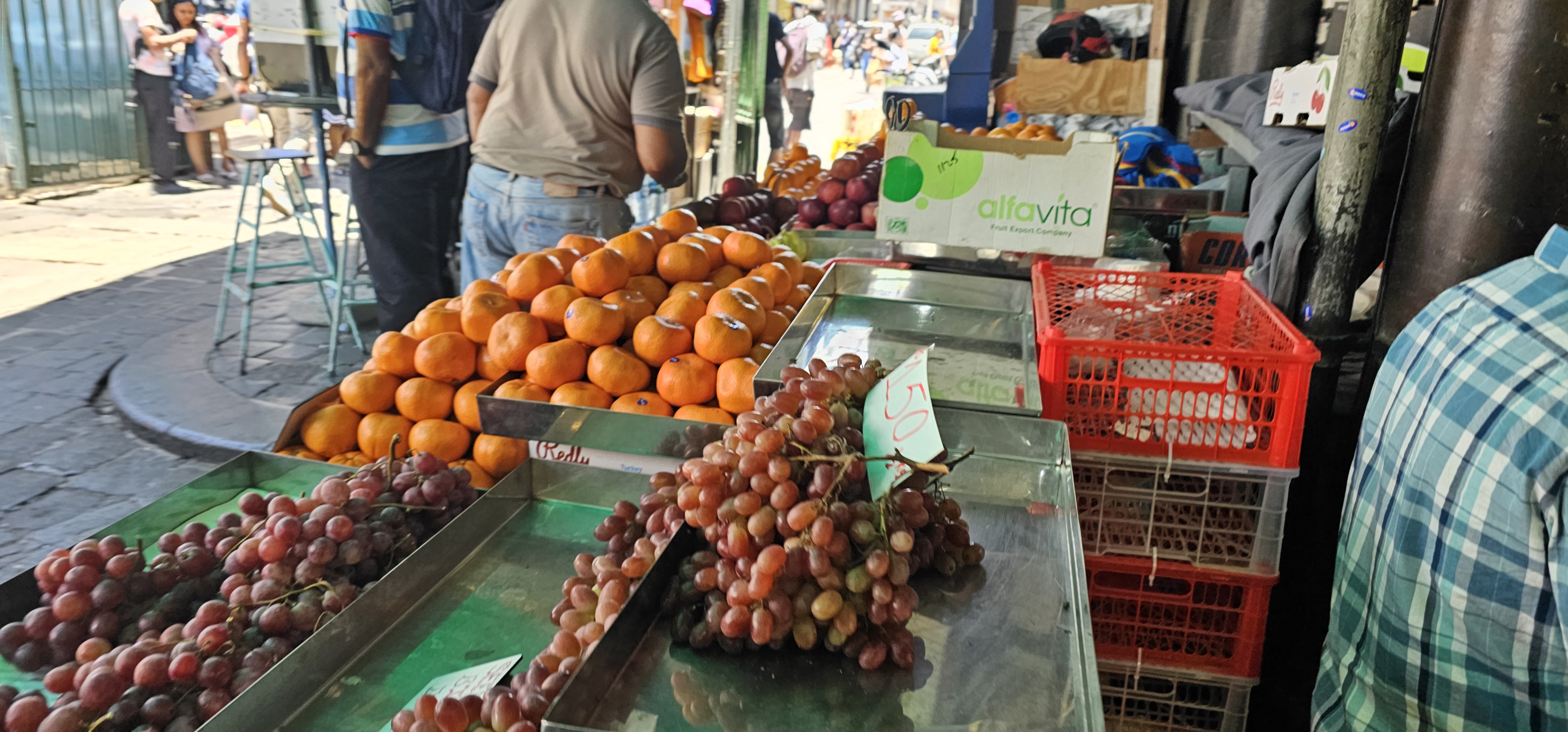
5. Oranges: Immune-Supporting Citrus Champions
The first advice my grandmother gave when I called complaining about a cold: “Eat an orange.” Despite being simple folk wisdom,modern nutritional science continues to validate her kitchen-table counsel.
I keep a bowl of oranges on my desk. It’s not just a cheerful visual reminder to stay hydrated. They serve as my primary protection during periods of high stress, when my immunity usually suffers. The ritual of peeling an orange creates a forced break from digital screens. The bright scent momentarily transports me away from spreadsheets and deadlines.
During a particularly brutal product launch last winter, my colleagues fell one by one to seasonal viruses. My daily orange ritual kept me functioning. Coincidence? Perhaps. But vitamin C’s role in supporting immune function is well-established, particularly during physical and psychological stress.
Oranges are famous for their vitamin C content. They also contain hesperidin, which is a flavonoid compound. Research suggests it may support healthy blood vessel function. After hours of sitting in strategy meetings, this circulatory support makes a noticeable difference. Coffee temporarily masks fatigue while deepening it. In contrast, oranges provide genuine energy. They contain quickly accessible natural sugars balanced with fiber.
The real magic happens when you include the white pith. Many people tend to discard this slightly bitter layer. It contains the highest concentration of flavonoids. Making a minor change yields substantial benefits.
Conclusion: Beyond the Superfood Hype
There’s no shortage of “superfoods” being marketed to busy professionals. Many people choose exotic berries sourced from remote mountaintops. These berries are available in powder form. They often have names that are difficult to pronounce. There are pills that claim to have the same nutritional value as a farmers’ market.
I’ve tried many of them during my years away from home. I searched for that same vitality I took for granted in my island childhood.
Yet I keep returning to these five fruits – jackfruit, mangoes, bananas, avocados, and oranges. They’ve sustained humans for thousands of years across varied cultures and climates. On my tropical island home, they weren’t “superfoods” – they were simply food, eaten daily without fanfare or hashtags.
My reconnection with a fruit-centered diet wasn’t motivated by trend-chasing. It originated from a necessary desire for burnout recovery. It was also aimed at performance optimization. I was guided by the nutritional wisdom I absorbed growing up surrounded by fruit-bearing trees. The results have been quietly transformative. Better sleep quality. Fewer sick days. Sustained energy throughout demanding workdays. Sharper problem-solving when it matters most.
Your optimal nutrition strategy will be uniquely yours. What works for my biochemistry, lifestyle, and personal taste preferences may differ from what your body needs. Listen to your body’s feedback. Track your energy, mood, and performance metrics if you’re analytically minded like me.
Start small. Perhaps an orange instead of that second espresso. A banana rather than the vending machine energy bar. Small choices compound over time.
These fruits have been my steadfast allies through career transitions, international relocations, and the general chaos of modern professional life. They’ve also been my connection to home. They serve as a daily reminder of the island wisdom that shaped me long before I entered the corporate world. They’ve never failed me yet.


 L J Padayachy
Leave a reply to Jude Padayachy Cancel reply