

A Shelf That Holds More Than Books
My bookshelf sits crooked against the wall. Has for years. It’s one of those items you perpetually intend to repair, yet never manage to do so. It overlooks the Indian Ocean through a window. The window needs new paint. Granite boulders meet water the color of Bombay sapphires. It’s the same view I had growing up in Beau Vallon. Conversations switch between Creole, French, and English mid-sentence. The smell of grilled fish drifts through open windows every evening.
The books look worn out now. Spines cracked from too many moves. That copy of Things Fall Apart still smells like the old Victoria library. You know that particular mustiness of tropical humidity and aged paper. My WHO policy manual looks like it survived a war. That’s not far from the truth. It’s been stuffed into many briefcases between Kinshasa and Geneva.
People ask if I collect anything. The honest answer isn’t what they expect.
Sure, there are the books. But the real collections—the ones that actually matter—are harder to point to. Books that became mentors when I needed them most. Friends scattered across time zones who’ll tell me when I’m being an idiot. Skills were learned in government offices and UN conference rooms. They were also gathered in village clinics where the electricity cuts out twice a day.
Nothing fancy. Nothing worth insuring. But these three collections? They’ve shaped every decision that mattered.

When Books Become Companions
The Education of a Small Island Kid
Growing up on an island of 100,000 people, you learn early that knowledge has to come from somewhere else. Seychelles in the 1960s and 70s wasn’t exactly drowning in bookstores. Mrs. Grandcourt, my primary school teacher, had this old collection of Reader’s Digests. She’d lend them out like precious artifacts. “Knowledge is portable,” she used to say. “Books travel better than people.”
First real books that grabbed me was Heart of Darkness and Cry the Beloved Country. These are the two of the books we studied for English literature with Mrs. McQueen in secondary school. I was maybe sixteen then and started to realize that life is different to what we experience at home. Finding your reason for being feels different. It hits you when you’re stuck on a rock in the middle of the ocean. You wonder if there’s more than fishing boats and resort jobs in your future.
Then came The Art of War. It sounds dramatic for a health statistician. However, Sun Tzu’s ideas about knowing yourself and your environment made sense. This is especially true when you’re trying to navigate government bureaucracy. In this setting, everyone’s somebody’s cousin. Every decision involves three languages and four different cultural perspectives.
Books as Diplomatic Tools
Fast-forward twenty years. I’m sitting across from a South African health minister in Pretoria, and we’re deadlocked over HIV response priorities. The room’s tense. My colleagues are shuffling papers.
Then he mentions something about colonial legacy affecting health infrastructure. Without thinking, I reference Martin Meredith’s The Fate of Africa – specifically the chapter on Mozambique’s post-independence health system collapse. His whole demeanor changed. “You’ve actually read Meredith?” he asked, leaning forward.
That shared reference broke something open. We stopped talking past each other. Started building something together instead.
Books aren’t just knowledge containers when you work internationally. They’re conversation starters. Trust builders. Proof that you’ve done your homework on someone else’s reality.

The Accidental Curriculum
My reading evolved without much planning. Started with statistics manuals when I was learning to wrangle Excel in my early government days. I added diplomatic protocol books. WHO sent me to regional meetings. Saying the wrong thing at these meetings could torpedo months of negotiations.
But the books that changed everything weren’t professional texts. Paul Farmer’s Mountains Beyond Mountains taught me that technical expertise without cultural humility is worse than useless. His work in Haiti made sense to me while designing community health programs in rural Madagascar. The nearest hospital was six hours away by taxi-brousse. Half of the mothers spoke dialects I’d never heard.
Chimamanda Ngozi Adichie’s Half of a Yellow Sun helped me understand how personal stories intersect with policy decisions. Critical lesson when you’re working on post-conflict health systems where every statistic represents someone’s aunt or brother or child.
I now keep three piles on my desk. The “Fix This Now” pile is for books solving immediate problems. The “Learn This Next” pile includes skills I’ll need in two years. The “Think Differently” pile contains anything that challenges what I think I know. Not trying to impress anyone. Just trying to stay honest in work where getting it wrong has consequences.
The People Who Tell You When You’re Wrong
Learning the Hard Way
Dr. Shamlaye taught me the most important lesson about professional relationships. My mentor at the Ministry of Health had zero patience for diplomatic niceties. “Always have someone,” he told me during my first week. “Ensure this person tells you when your breath stinks—before you walk into the meeting.”
Took me years to understand what he meant. It’s not about breath. It’s about blind spots. We all have them. The question is whether the people around you care enough to point them out before you embarrass yourself publicly.
The Brazzaville Wake-Up Call
William pulled me aside after a regional WHO meeting in Brazzaville. We’d just finished presenting surveillance data to health ministers from six countries. I thought it went well. William thought differently.
“You were using data to win arguments instead of seeking truth,” he said quietly, walking me toward the hotel bar. “That’s dangerous in our field.”
He was right. I’d become so focused on proving my methodology was superior that I’d stopped listening to evidence that challenged my assumptions. Bad habit anywhere. Potentially fatal in public health.
That conversation changed how I run meetings. Now I start by asking what would make me wrong. Force myself to argue the opposite position first. William probably doesn’t remember that chat in Brazzaville. I think about it weekly.
Geneva Lessons in Diplomatic Honesty
UN headquarters taught me that honesty has cultural dimensions. What passes for direct feedback in Seychelles can sound like aggression in Asian diplomatic circles. What feels like polite suggestion in Geneva might not register at all in African policy discussions.
Salil, an Indian epidemiologist, taught me the power of strategic silence. “Let them fill the quiet,” he’d say during tense negotiations. “People reveal more when they’re uncomfortable with silence.”
Joy, my Mauritian colleague, reminded me that in small island states, trust isn’t earned through titles or credentials. It’s earned through showing up. Consistently. When things get difficult.
The Global Kitchen Cabinet
My trust network isn’t large. Maybe there are fifteen people across six time zones. They’ll take my call at weird hours. They tell me things I don’t want to hear. Eby in Cote d Ivoire challenges my assumptions about digital health every time we talk. Ian in Bonn keeps me honest about European regulatory realities. Emas in Antananarivo reminds me that brilliant policies mean nothing. They are ineffective if they don’t work in clinics where the generator fails twice a week.
When I was considering leaving UNAIDS to start other ventures, I called each of them. Not for encouragement. For honest assessment. “Are you running toward something or away from something?” Salil asked during a crackling WhatsApp call.
That question clarified everything. Sometimes you need friends who know you well. They should ask the right questions, not give you the answers you want to hear.

Skills as Survival Tools
The Evolution of Necessity
Started simple. Excel spreadsheets for health statistics. PowerPoint presentations for ministry meetings. Basic stuff that seemed impressive in 2000 but wouldn’t get you hired as an intern today.
Every posting added layers. Mauritius taught me to balance diplomatic grace with data-driven urgency. This is a critical skill when you’re presenting HIV prevalence statistics to politicians. They’d rather talk about anything else. Madagascar, during cyclone season with ongoing HIV crisis, taught improvisation. Planning with resources that never seem adequate. Making decisions with incomplete information because waiting for perfect data means people die.
Geneva introduced me to the language of international policy. Words that carry weight across borders. Learning that “we recommend consideration of” means something completely different from “we strongly advise” in UN-speak. That precision matters when your memo gets translated into six languages and influences health policy for countries you’ve never visited.
Skills That Weren’t in the Job Description
The most valuable capabilities came sideways. I started practicing mindfulness to manage leadership stress. Those 16-hour days during health emergencies are intense. During those times, everyone’s looking to you for decisions, and you’re running on coffee and adrenaline. That practice became integral to how I mentor young professionals now. Teaching them to pause before reacting when everything feels urgent.
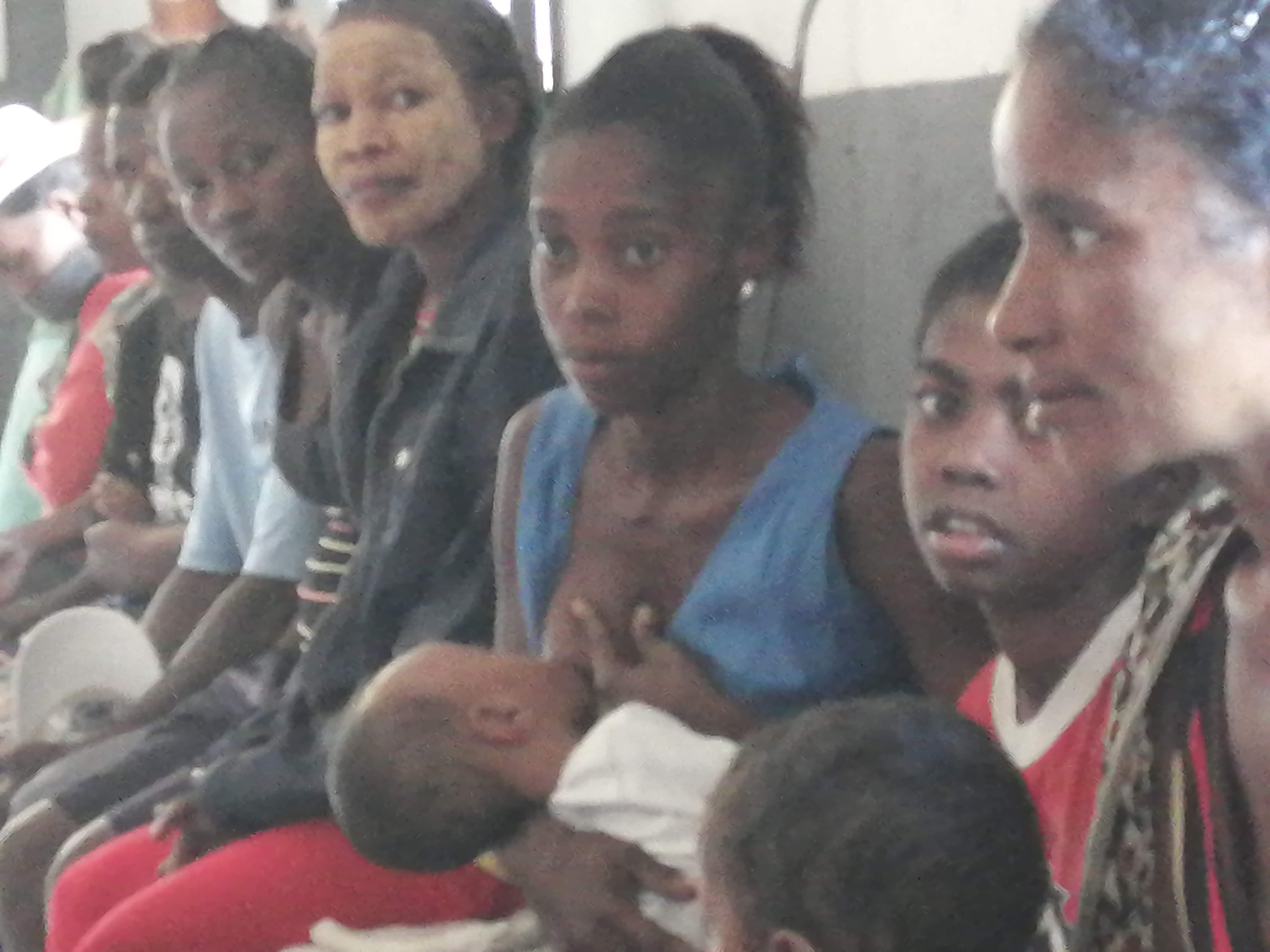
Photography started as weekend hobby during trips to Toamasina. Now it’s how I communicate development narratives that statistics can’t capture. A single photo of a mother waiting outside a rural clinic with her sick child tells the story more effectively. It conveys the message better than any epidemiological report.
The Portfolio Approach
Think of skill development like investing. Core competencies—epidemiology, program management, policy analysis—provide stability. Safe bets that pay dividends across career changes. Adjacent skills—cross-cultural communication, digital literacy, storytelling—create differentiation. The stuff that makes you interesting to hire.
Emerging capabilities keep you relevant. AI tools for data analysis. Climate-health intersections. Entrepreneurial thinking for when traditional career paths don’t fit anymore.
Real value happens at intersections. Understanding both Seychellois community dynamics and Geneva diplomatic protocols creates problem-solving approaches that pure technical experts miss. Speaking three languages while understanding African development contexts opens conversations others can’t access.
Last year, designing HIV response frameworks for Indian Ocean islands required everything. This included WHO technical standards and UNAIDS community engagement strategies. It also required diplomatic skills and local adaptation approaches. These approaches were learned through thirty years in Seychelles government and the United Nations. No single skill sufficient. The combination created solutions nobody else could offer.
How Collections Connect
These aren’t separate investments. They’re ecosystem components that amplify each other’s value.
Books spark conversations that deepen relationships. That shared Meredith reference in Pretoria led to ongoing collaboration on HIV response. It also facilitated health financing across many countries in Africa. Relationships provide opportunities to apply skills in new contexts. William’s feedback in Brazzaville changed how I facilitate complex negotiations. Skills create credibility that attracts meaningful partnerships. Being able to design programs that work in resource-constrained settings opens doors that credentials alone cannot.
Growing up on small islands teaches you that collections should serve purposes beyond accumulation. They should be functional. Adaptive. Resilient enough to weather political changes, economic downturns, health emergencies.
Most valuable collections are portable—not in suitcases, but in minds and hearts. They travel across borders. Adapt to new contexts. Create connections where none existed.
The Question Worth Asking
Your collections become foundation for everything else. Wisdom that guides decisions. Network that opens doors. Capabilities that solve problems others can’t touch.
Whether you’re working in Mumbai tech, London finance, or Port Louis development, the question remains: What are you actually collecting?
Not what you’re accumulating. What you’re becoming through the discipline of thoughtful collection.
The books that challenge assumptions. The people who tell uncomfortable truths. The skills that create value others can’t replicate.
These collections define us more than job titles or LinkedIn profiles. They’re who we become when nobody’s watching. Who we are when everything else falls apart.
What will your three collections be?
About the Author
Born in Seychelles, raised on fish curry and multilingual conversations. Twenty-plus years navigating health policy and international development with Government of Seychelles, WHO Africa, and UNAIDS Geneva. The career spans small island states to continental Africa. It is shaped by cultures that switch languages mid-sentence. These cultures also solve problems with limited resources. Now building something new, blending strategic thinking with island wisdom and global experience.


 L J Padayachy
Leave a reply to Salil Cancel reply