The Day I Learned Self-Care Isn’t Selfish
I remember the day. I collapsed not in a hotel room. It happened as I walked into the gym in Harare, Zimbabwe. It wasn’t a dramatic incident—there was no need for an ambulance or an emergency room. It was just a quiet surrender to exhaustion after three weeks of back-to-back UN stakeholder meetings. I’d been surviving on coffee and the stubborn belief that “pushing through” was somehow virtuous.
My phone buzzed with a text from my mother back in the Seychelles: “The coral doesn’t fight the current, beta. It bends and grows stronger.” She’d been watching me burn out from 8,000 miles away, probably through my increasingly terse message responses.
That’s when I realized I’d been practicing self-care all wrong. Like most professionals, I had been treating it as another item on my to-do list. I positioned it between tasks like responding to emails and preparing quarterly reports. Real self-care isn’t about spa days. It isn’t about meditation apps. It involves understanding your rhythms. It’s about creating systems that sustain you long-term.

Redefining Self-Care for Professionals
The Myth of the Productivity Paradise
In my work with international organizations, I’ve noticed something fascinating. The highest-performing professionals I know aren’t the ones who work the most hours. They’re the ones who’ve figured out how to work sustainably. Take William, a program officer with whom I collaborated on a sustainable development initiative in Brazzaville. His team was managing multiple country portfolios, but instead of working longer days, he instituted what he called “energy audits.”
Every Friday, he’d review not just his program metrics but also his energy levels throughout the week. Which diplomatic meetings left him energized? Which administrative tasks drained him unnecessarily? This wasn’t a superficial discussion about wellness, but rather a strategic approach to resource management. Within six months, he’d restructured his schedule, delegated more effectively, and increased his team’s impact while working fewer hours.
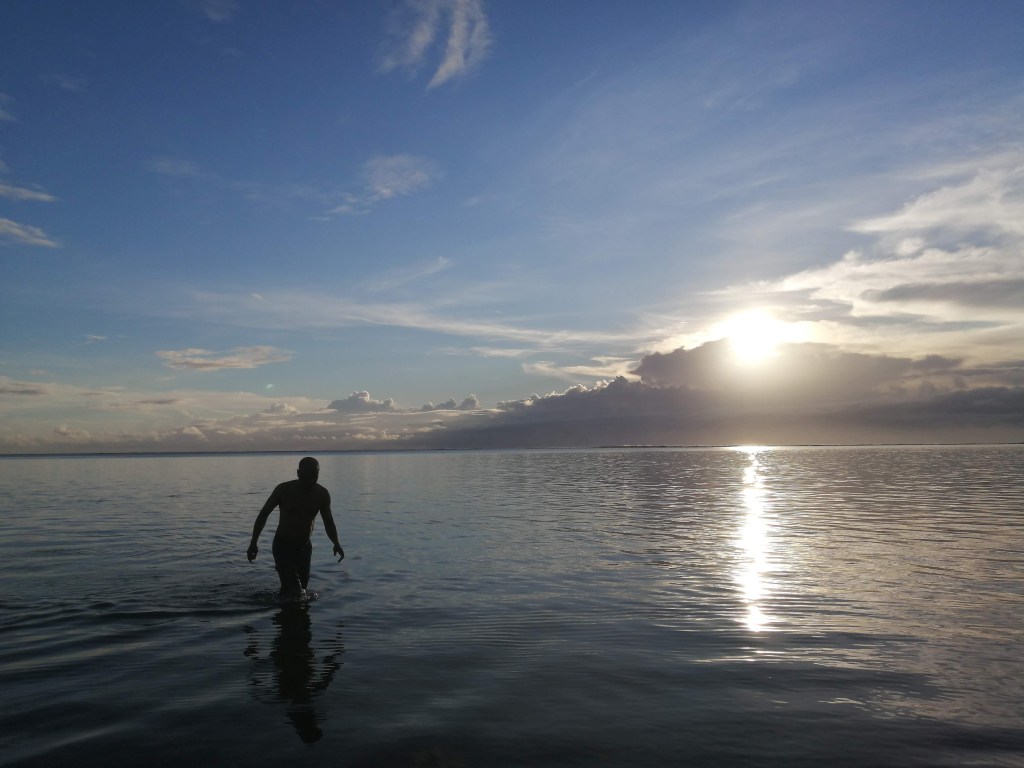
Growing up in the Seychelles, we have a saying: “The pirogue doesn’t race the waves—it dances with them.” Traditional fishermen don’t fight the ocean; they read its patterns and adjust their approach accordingly. Your energy is the same. Fighting it leads to burnout. Dancing with it leads to sustainable success.
The Compound Effect of Micro-Practices
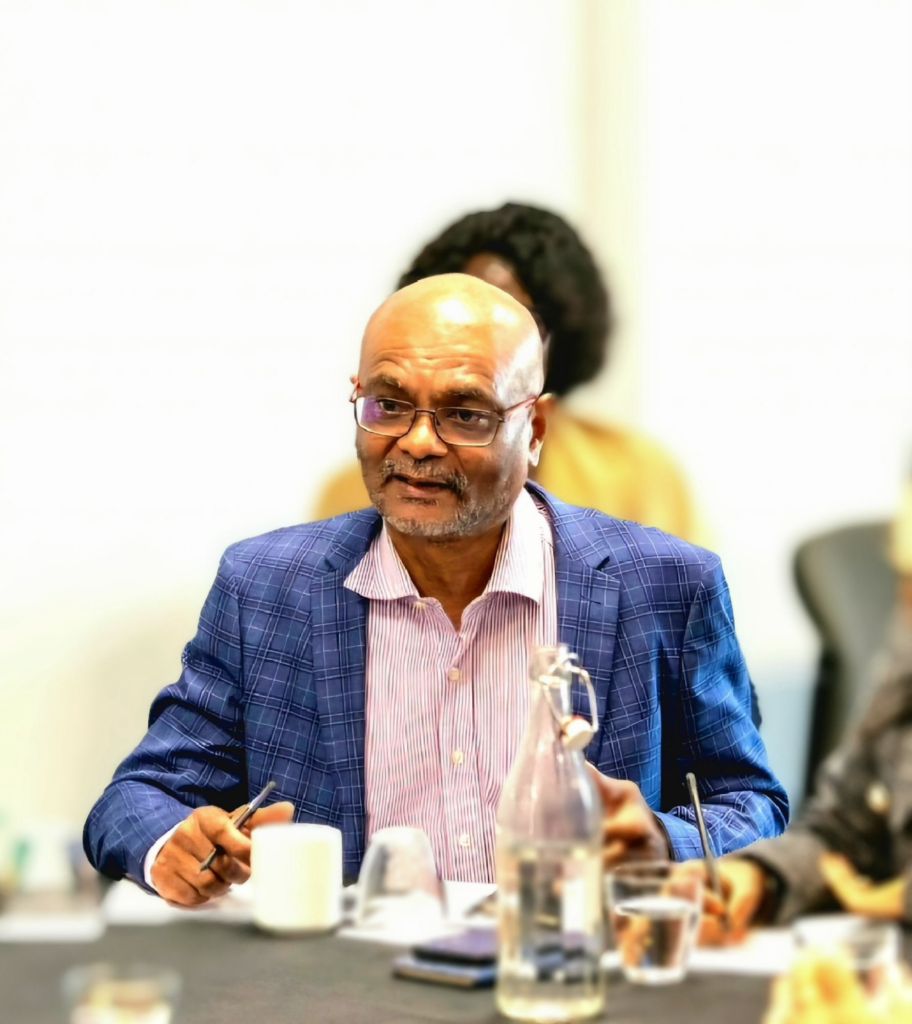
Here’s what I’ve learned about self-care: it’s not about grand gestures. It’s about tiny, consistent practices that compound over time. During my posting in Geneva, I worked with a human rights officer named Emma. She swore by what she called “transition rituals.”
Between every major task, she’d take exactly three deep breaths. That’s it. She didn’t use a meditation cushion, apps, or any special breathing techniques. She took three deliberate breaths to calm her nervous system. Over a twelve-hour day, she navigated complex multilateral negotiations. Those micro-moments of intentionality prevented stress accumulation. This approach helped avoid poor decision-making.
I’ve adapted these principles into my own practice. Before important phone calls, I spend thirty seconds looking out the window—really looking, not just glancing. When I’m back in the Seychelles, I watch the way light moves across Beau Vallon Bay. I observe how the shadows change between buildings in Johannesburg. These aren’t Instagram-worthy moments of zen. They’re practical tools for staying present. They prevent my mind from spiraling into future scenarios or past regrets.

The Economics of Energy Management
Self-care makes business sense. This isn’t wellness rhetoric—it’s basic economics. When I was burning out in Frankfurt, my cognitive function was operating at maybe 60% capacity. I was making more mistakes, taking longer to solve problems, and struggling with decisions that should have been straightforward.
I came across a study during my recovery. Indeed, I continued to conduct research even during my rest periods—certain habits remain ingrained. The study showed that well-rested professionals make 23% fewer errors. They also complete tasks 19% faster than their exhausted counterparts. Your attention is your most valuable professional asset. Protecting it isn’t self-indulgent; it’s essential.
I now track my energy levels the same way I track project budgets. High-energy tasks get scheduled during my peak hours (usually 9-11 AM). Low-energy but necessary tasks get batched during my natural afternoon dip. This type of care isn’t about being lazy; it’s about being strategic.

Practical Self-Care for Different Contexts
The Airplane Aisle Stretch
Travel is an inevitable aspect of international development work. I’ve learned to use flight time as a form of forced self-care. This is not about treating yourself to champagne, but rather about using this time to reset. I have a routine. The first hour is for reflection, and there are no devices. The second hour is for planning, which includes low-cognitive load tasks. The final hour is for entertainment or rest.
What’s the most important realization? Self-care isn’t location-dependent. It’s about creating rituals that travel with you. My Harare collapse happened because I’d abandoned my routines, thinking I could “catch up” on self-care later. But later never comes when you’re always in motion.
The Diplomatic Dinner Paradox
UN receptions and diplomatic dinners are professional necessities, but they’re also energy vampires for many of us. I learned to reframe these as energy exchanges rather than energy drains. The trick is setting micro-intentions before each interaction.
Now, I ask myself specific questions. What do I want to contribute to this conversation? What do I hope to learn? This isn’t about being transactional—it’s about being intentional. When you’re clear about your purpose, diplomatic interactions become less draining and more energizing.
The Sunday Reset Ritual
Sundays in the Seychelles traditionally begin with community gatherings. They end with family meals around tables laden with fresh fish curry and rice. Even though I’ve adapted to different time zones and cultures, I’ve maintained a rhythm of collective beginnings and communal endings. My Sunday ritual now includes planning the week. I also reflect on and acknowledge what I’m grateful for from the previous week.
This practice has prevented the “Sunday scaries” that used to plague me in London. I don’t dread Monday. I approach it with clarity about my priorities. I also feel a sense of gratitude for the opportunities ahead.
When Self-Care Feels Impossible
The hardest part of self-care isn’t knowing what to do—it’s believing you deserve it. I see this constantly with high-achieving professionals who have internalised the myth that struggle equals virtue. They’ll optimise their teams’ well-being while neglecting their own, as if self-care were somehow a selfish act.
But here’s the truth: you cannot pour from an empty cup. This is not a new-age concept; it is a fundamental principle of physics. Your capacity to serve others—your member states, your team, your communities—depends entirely on your ability to maintain your resources.
The coral my mother referenced doesn’t bend out of weakness. It bends because flexibility is what allows it to survive and thrive in changing conditions. Your self-care practices provide you with flexibility, enabling you to adapt to professional pressures without breaking.

Building Your Personal Operating System
Self-care isn’t a destination; it’s a practice. Like any professional skill, it requires experimentation, refinement, and consistent application. Start small. Please select one micro-practice and dedicate yourself to it for a week. Notice what changes. Adjust accordingly.
Remember: the goal isn’t to become a wellness guru. It’s to become a professional who can sustain high performance over decades of service, not just project cycles. Your future self—and the communities you serve—will thank you for the systems you build today.
I write this from my home office in Mahé. I watch the morning light dance across the waters of the Indian Ocean. I’m reminded that self-care isn’t about perfection. It’s about sustainability. It’s about building a professional life that energizes rather than depletes you.
The ocean doesn’t apologize for its rhythms. Neither should you.
About the Author
I’ve worked as a development professional across multiple UN agencies in Europe and Africa. I’ve learned that sustainable impact requires more than just technical expertise. It also demands personal systems that support long-term effectiveness. I am originally from the Seychelles. I maintain the high standards essential for meaningful development work. My approach combines island wisdom with institutional pragmatism, focusing on solutions that work within the unique pressures of multilateral environments.


 L J Padayachy
Leave a reply to pk world 🌎 Cancel reply